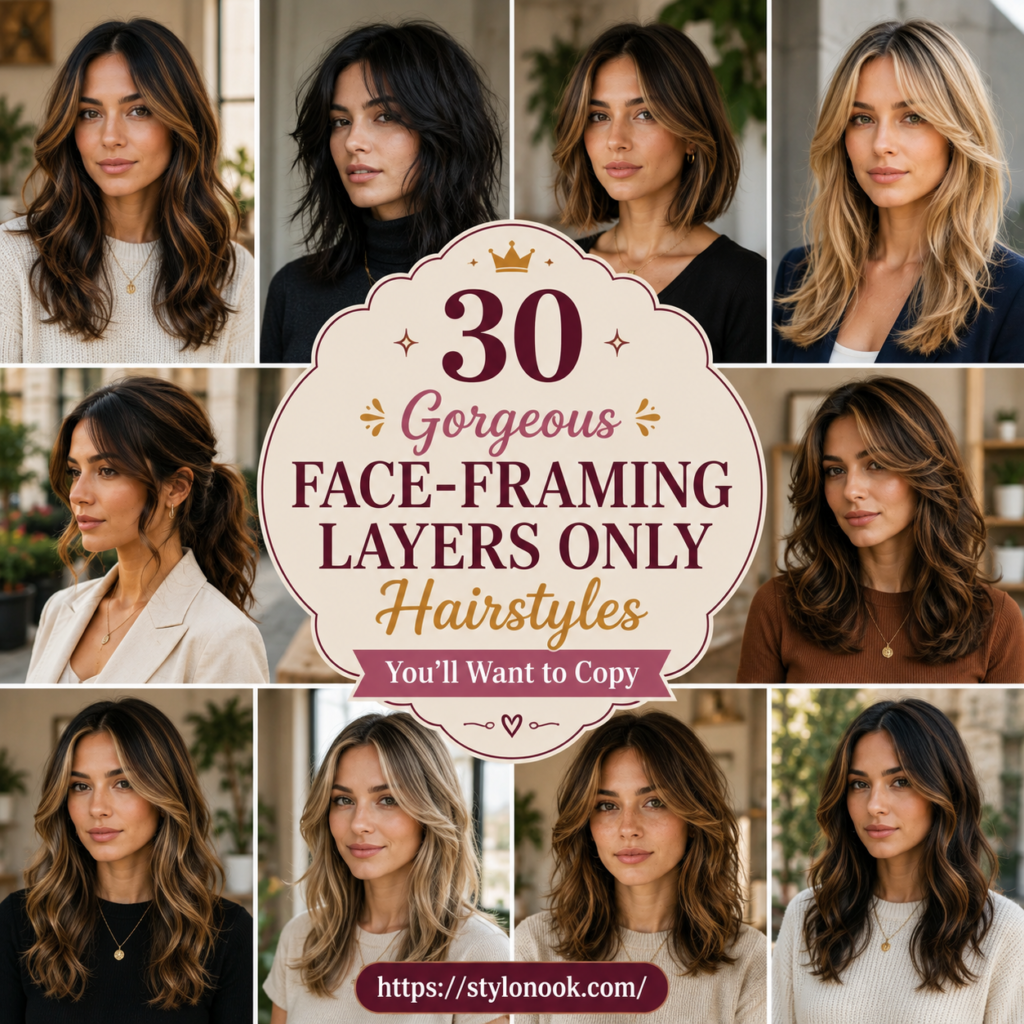

Face-framing layers are the ultimate “contouring” for your hair. Unlike a full-blown haircut that might drastically change your length, these strategic snips are designed to highlight your best features—be it your cheekbones, jawline, or eyes. Whether you have pin-straight locks, bouncy curls, or a chic bob, adding layers around the face can instantly refresh your look and add a touch of effortless glam.
The beauty of face-framing layers lies in their versatility. They can be soft and wispy for a romantic vibe, or sharp and choppy for a modern, edgy feel. If you’re looking for a way to update your style without losing your precious length, look no further. Here are 30 gorgeous face-framing hairstyles to inspire your next salon visit.
1. 90s Butterfly
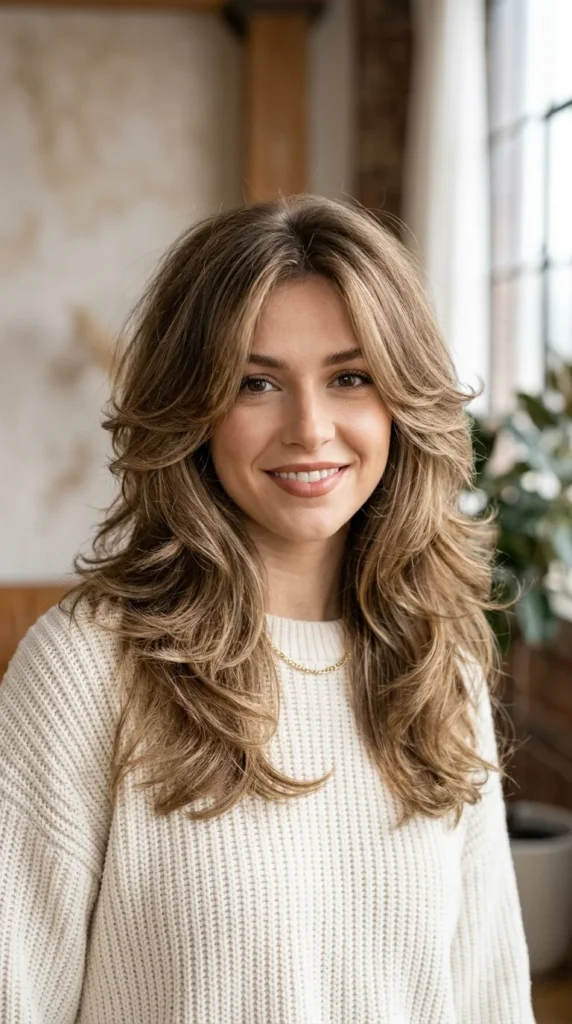
The butterfly cut is all about maximum volume. By incorporating short layers around the face that flick outward, this style creates a “winged” effect that mimics the 90s supermodel look. It’s perfect for adding movement to thick hair.
2. Long Shag
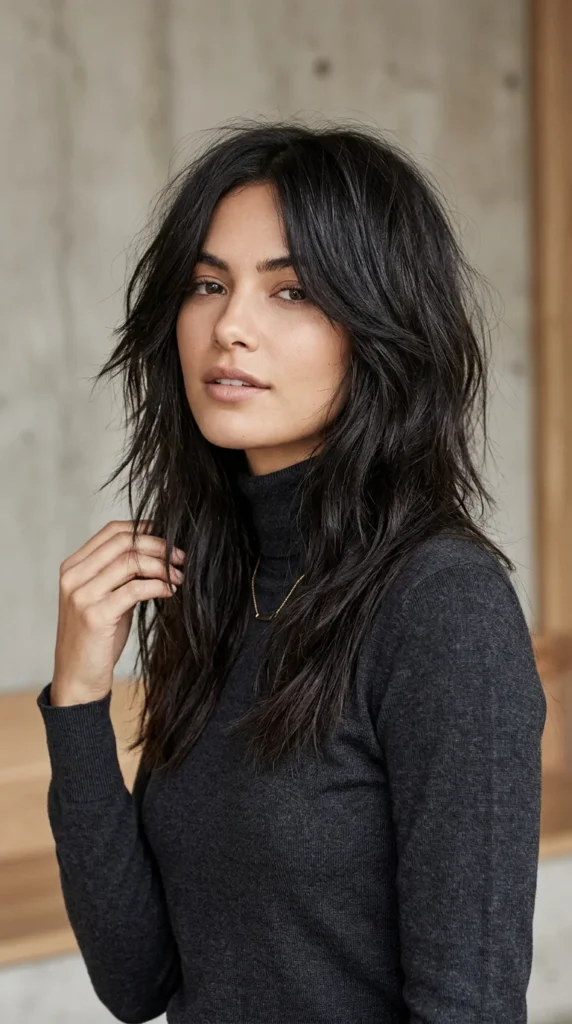
A long shag uses face-framing layers to create a rock-and-roll vibe. The layers usually start around the mid-cheek, blending seamlessly into the longer lengths to give the hair a lived-in, “I woke up like this” appearance.
3. Curtain Bangs
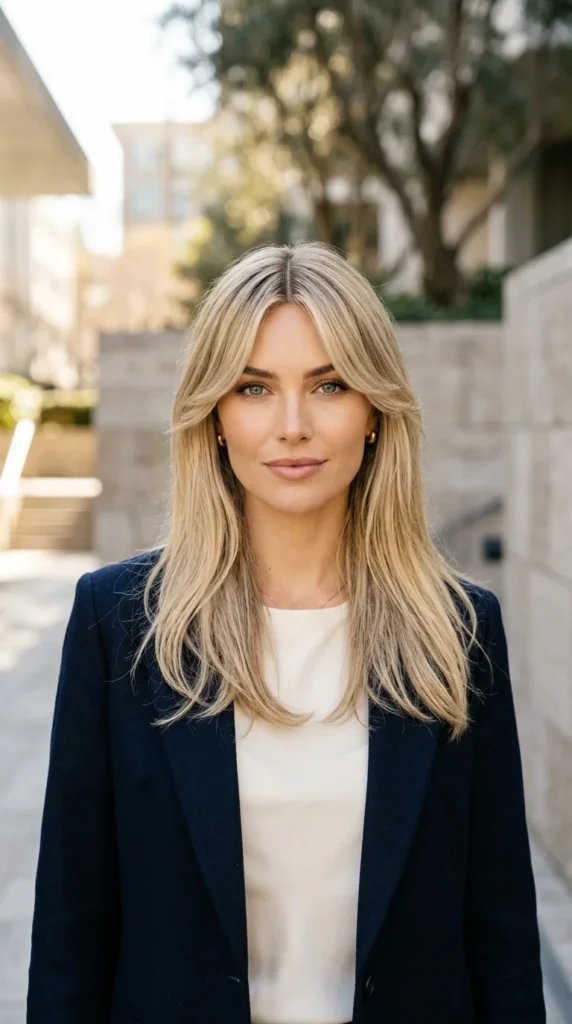
Curtain bangs are the quintessential face-framing tool. They drape across the forehead and taper down to the jawline, creating a beautiful frame that softens the face and works with almost any hair length.
4. Chin-Length Bob
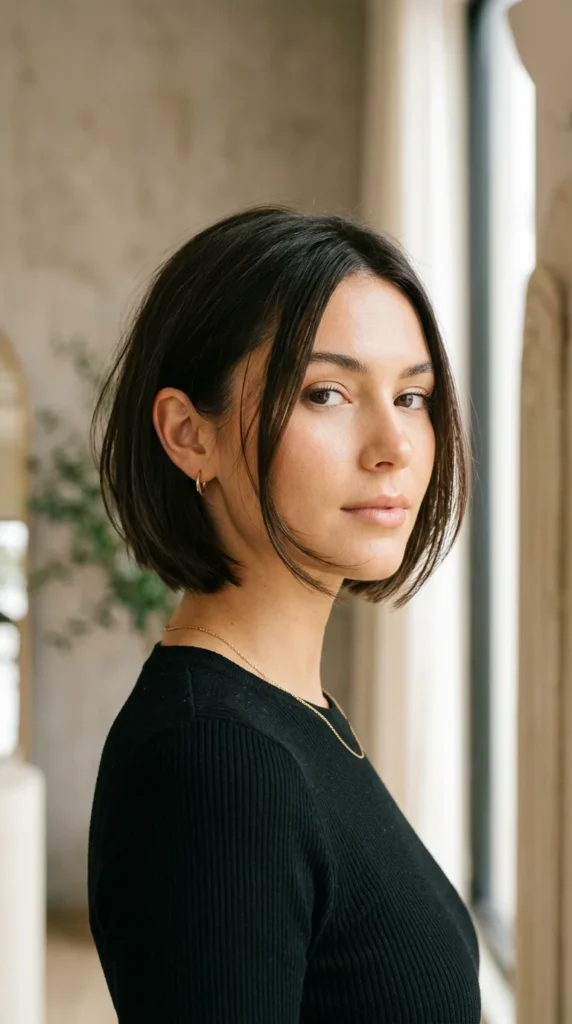
Even short hair benefits from framing. A chin-length bob with layers tucked toward the front helps to define the jawline, giving the classic cut a more modern and dynamic silhouette.
5. Wispy Layers
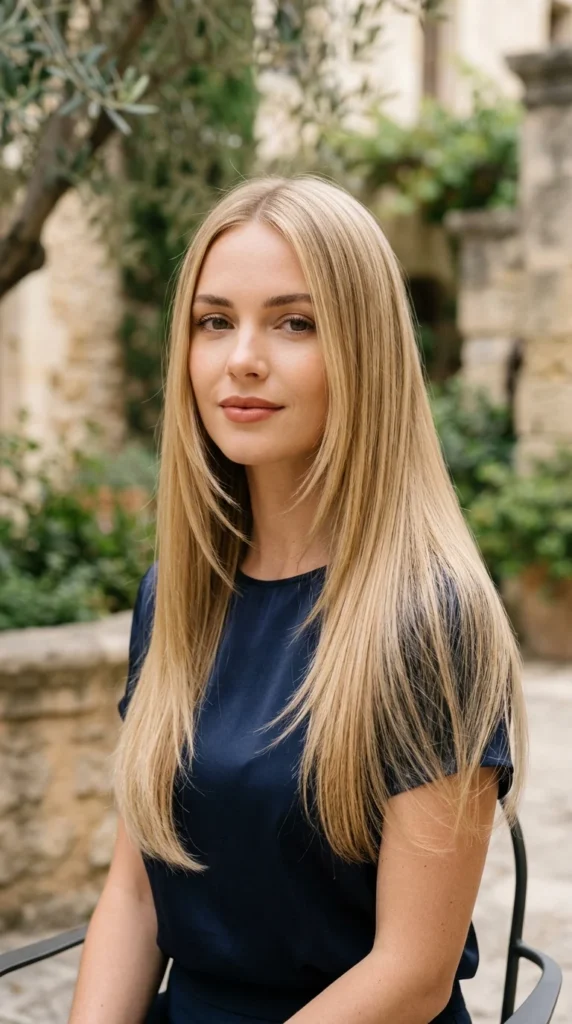
For those with fine hair, wispy layers are a godsend. They add interest and shape around the face without removing too much bulk from the rest of your hair, maintaining the appearance of thickness.
6. Caramel Highlights
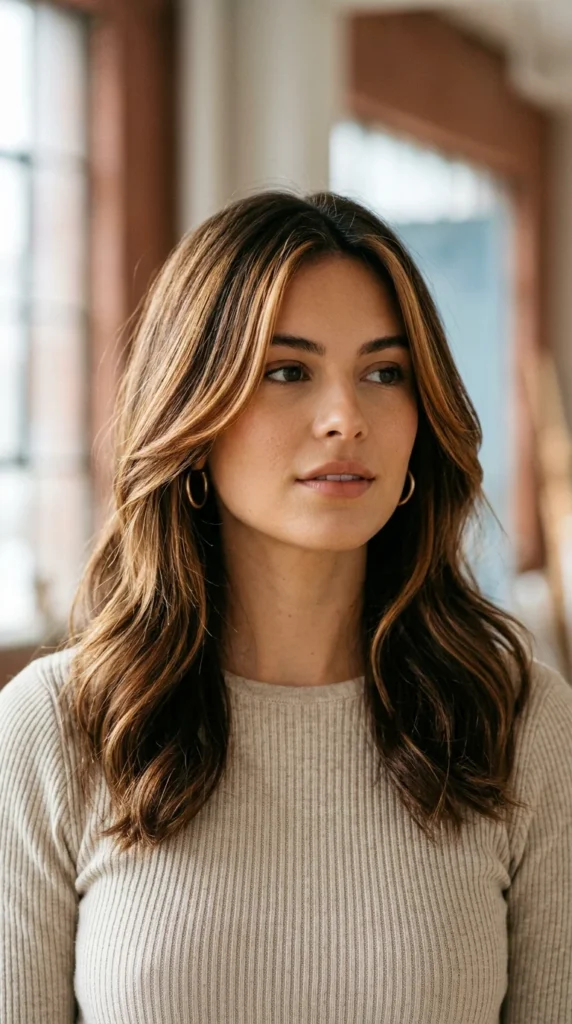
Sometimes the best way to accentuate face-framing layers is with color. Lightening the layers closest to your face—often called the “money piece”—brightens your complexion and makes the haircut pop.
7. Sleek & Straight
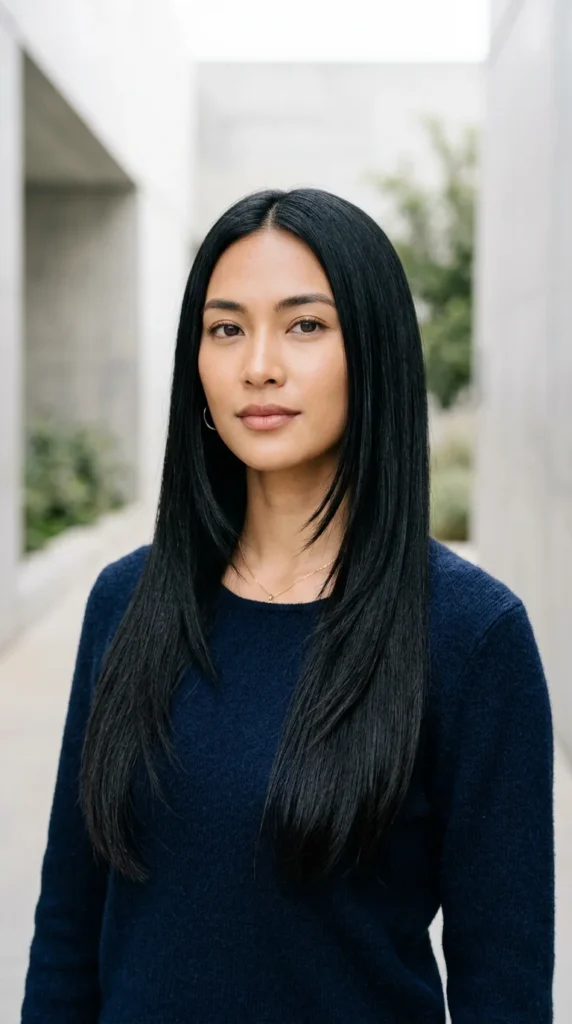
Face-framing doesn’t always have to be about volume. On sleek, straight hair, graduated layers create a sophisticated, architectural look that draws the eye downward and elongates the neck.
8. Curly Texture
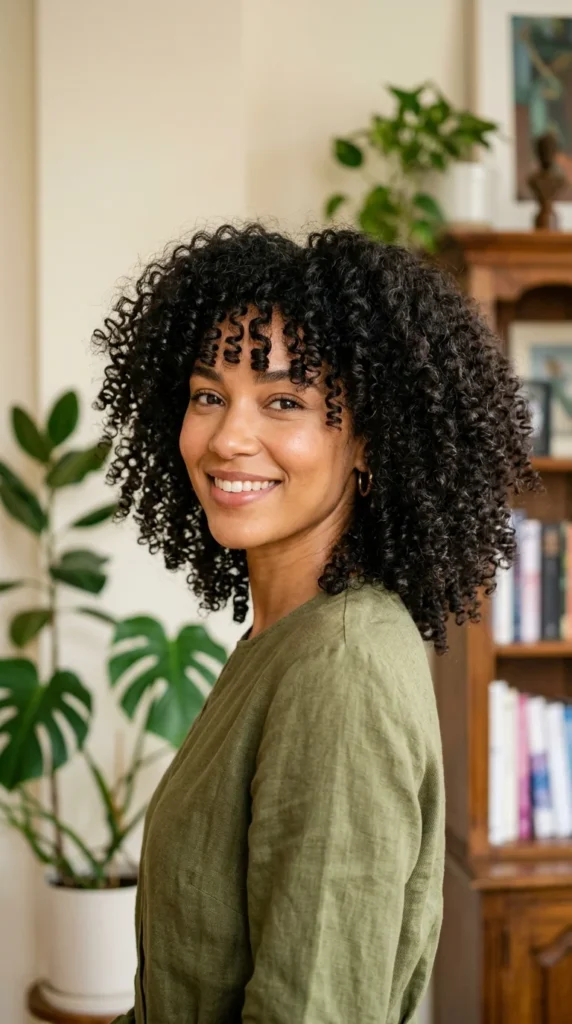
If you have natural curls, face-framing layers help prevent the “triangle” shape. Cutting shorter curls around the face adds height and ensures your features aren’t hidden behind a wall of hair.
9. Money Piece
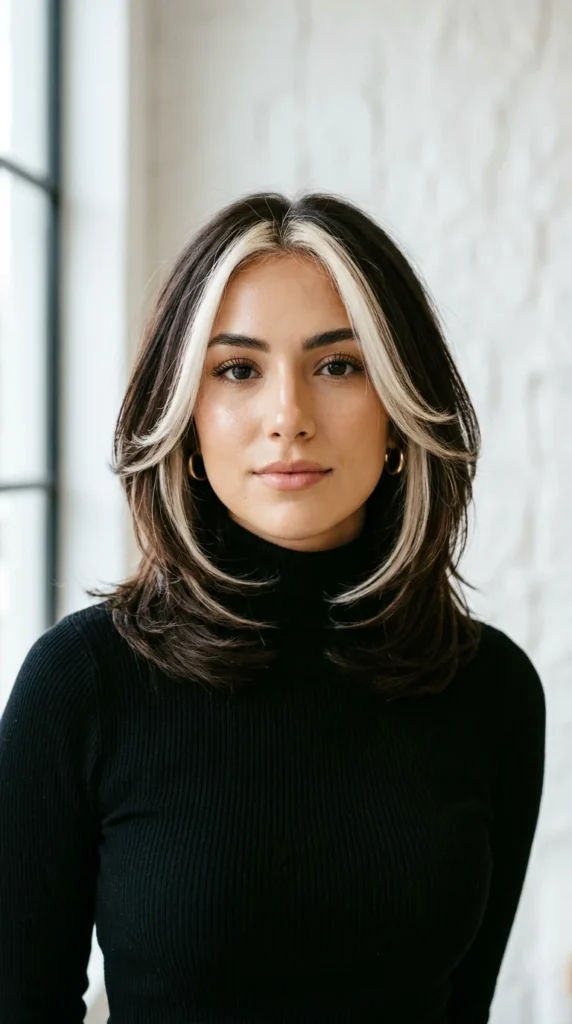
The “money piece” combines bold color with strategic layering. These front pieces are usually cut a bit shorter than the rest to ensure the bright color stays front and center.
10. Blunt Ends
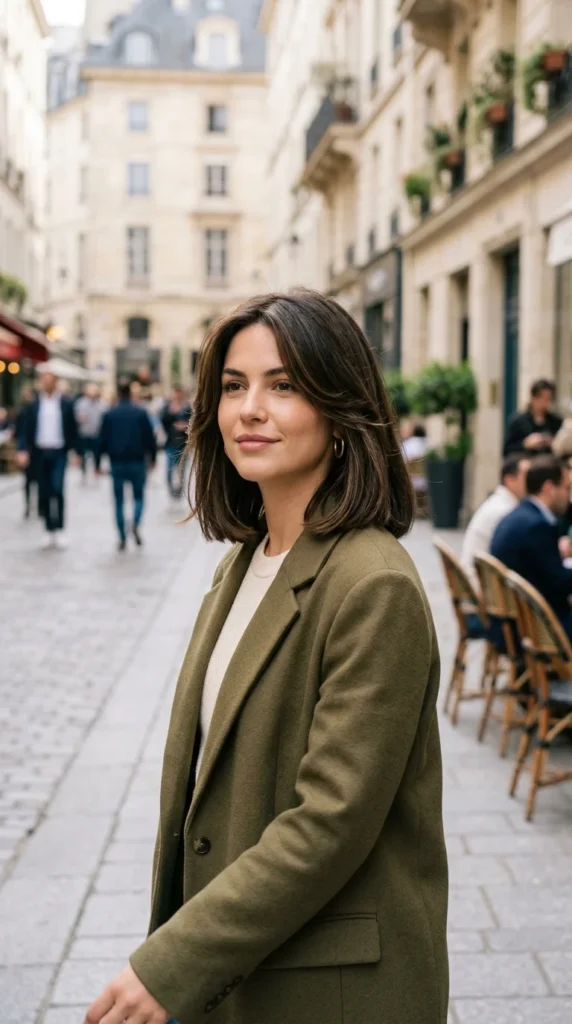
Combining blunt ends with face-framing layers offers the best of both worlds: the weight and health of a blunt cut with the softness and movement of layers around the face.
11. Mid-Length Waves
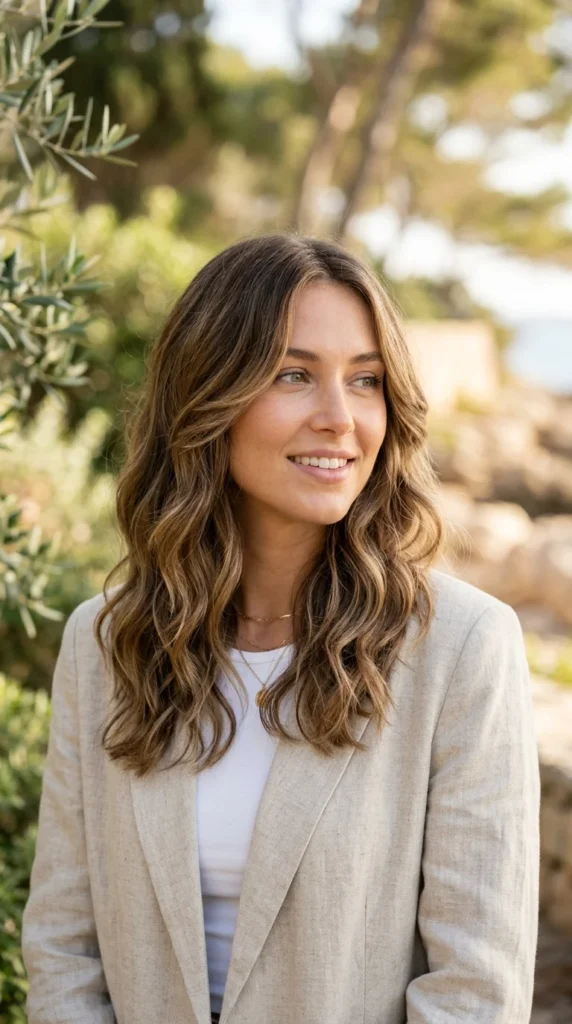
Mid-length hair can sometimes feel stuck in the middle, but face-framing layers give it a purpose. Waves help these layers blend, creating a cohesive, beachy aesthetic.
12. Choppy Layers
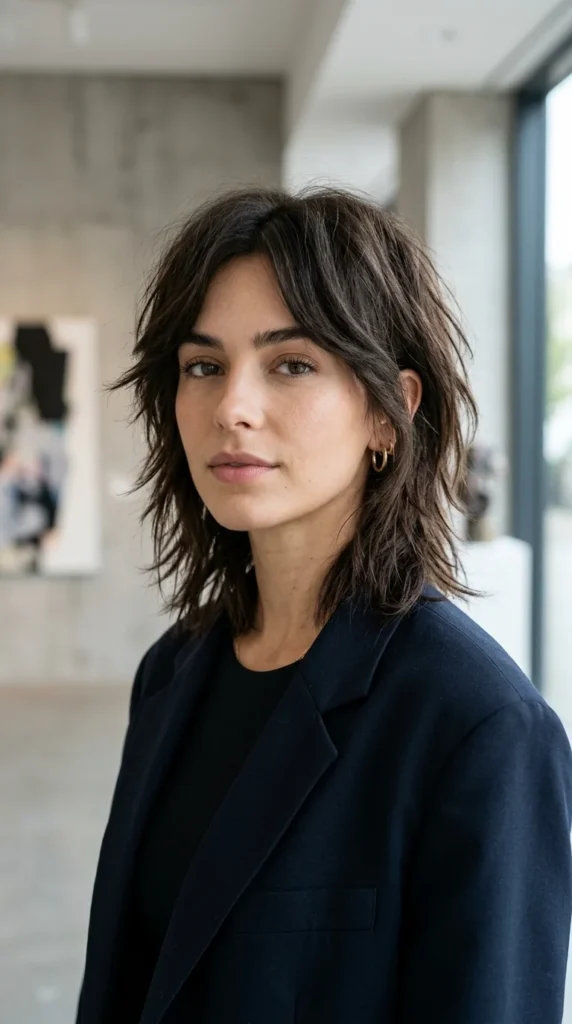
For those who prefer an edgy look, choppy layers are the way to go. These are less about “blending” and more about creating a textured, architectural frame for the face.
13. Feathered Cut
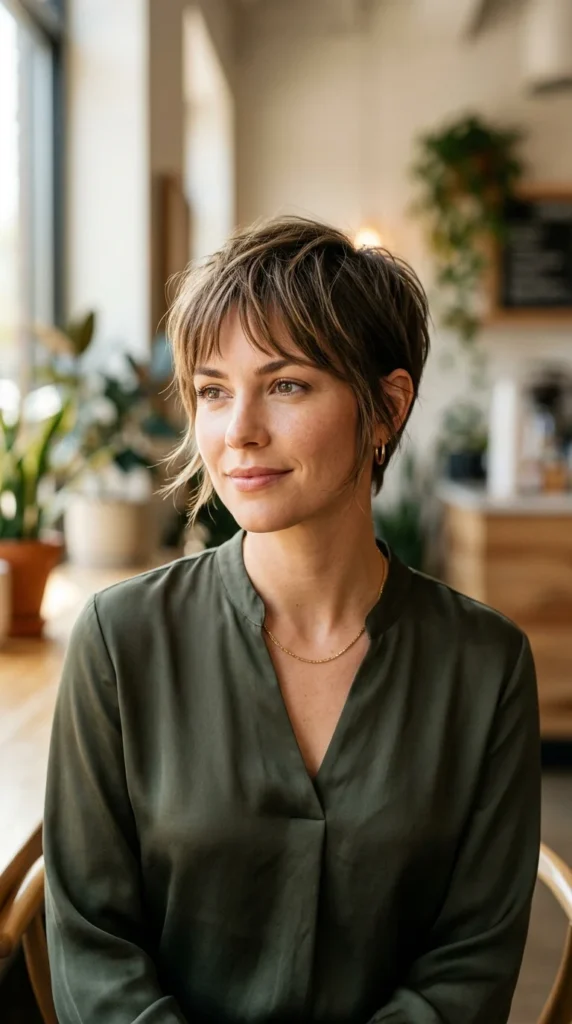
Inspired by the 70s, feathered layers are cut to be brushed back. This opens up the face entirely while providing a soft, airy texture that feels feminine and light.
14. Side-Swept Fringe
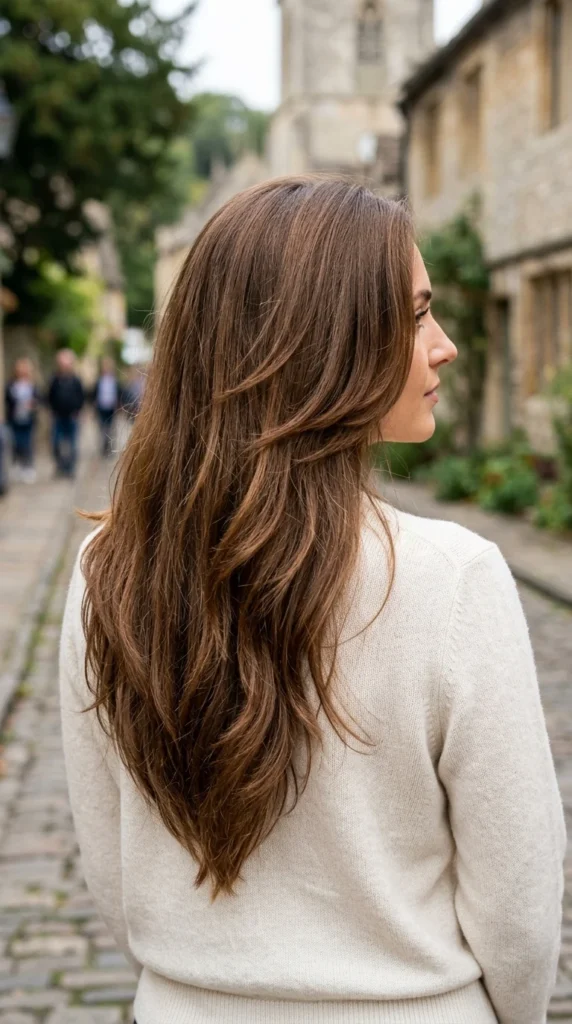
A side-swept fringe acts as a continuous layer that moves from the forehead down to the ear. It’s an excellent choice for balancing heart-shaped or round face shapes.
15. Bold Pixie
Who says pixies can’t have layers? By leaving the pieces around the ears and forehead slightly longer and layered, you can soften a short cut and make it feel more versatile.
16. Layered Lob
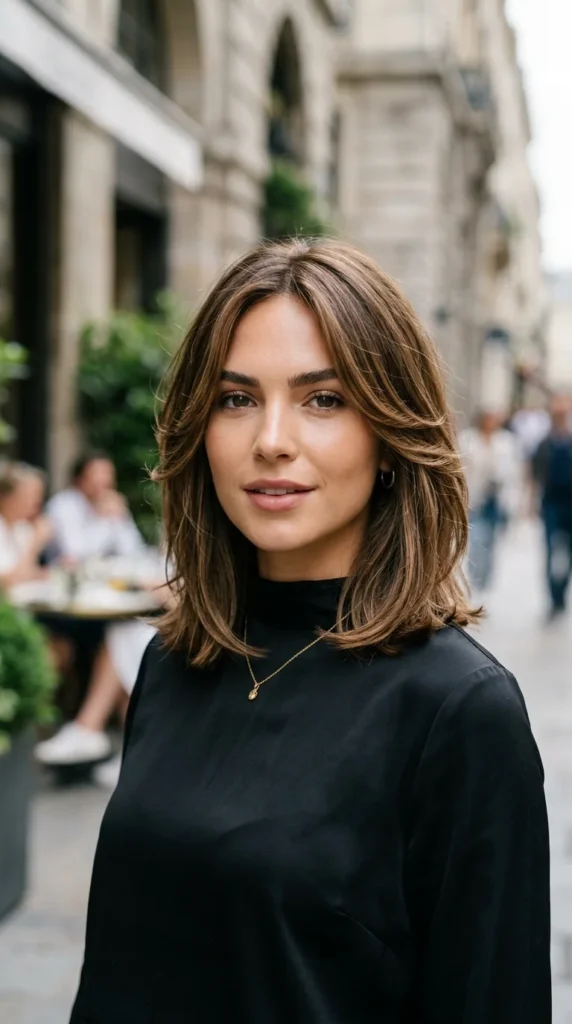
The “Lob” is a timeless classic. Adding face-framing layers to a lob prevents it from looking too heavy and gives it a youthful, bouncy energy.
17. Honey Blonde
Warm tones and long layers go hand-in-hand. The honey-colored layers catch the light as they move, creating a radiant “halo” effect around the head.
18. French Bob
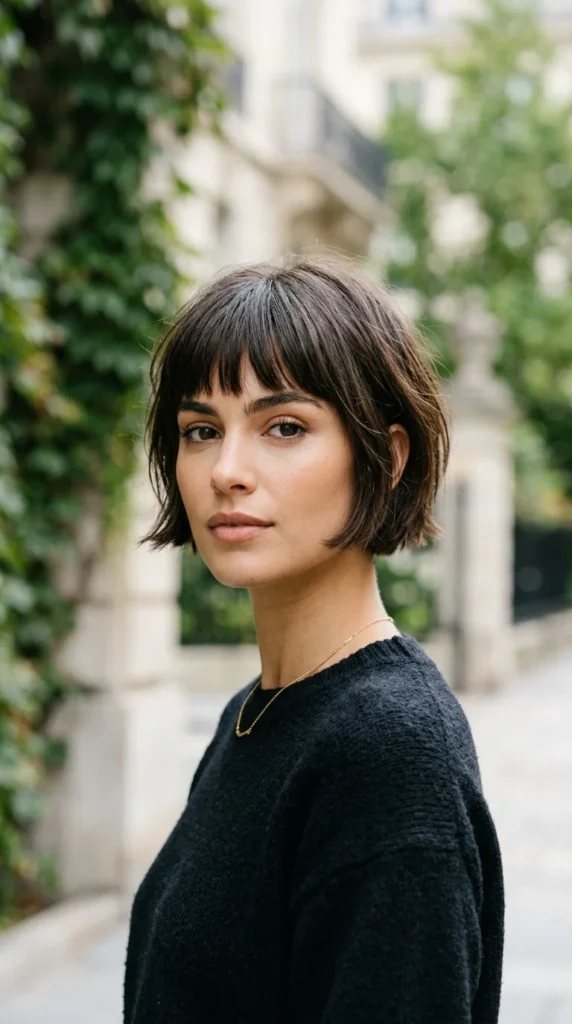
The French bob is all about the frame. With bangs and cheek-length layers, it’s designed to highlight the eyes and cheekbones with effortless Parisian chic.
19. Voluminous Curls
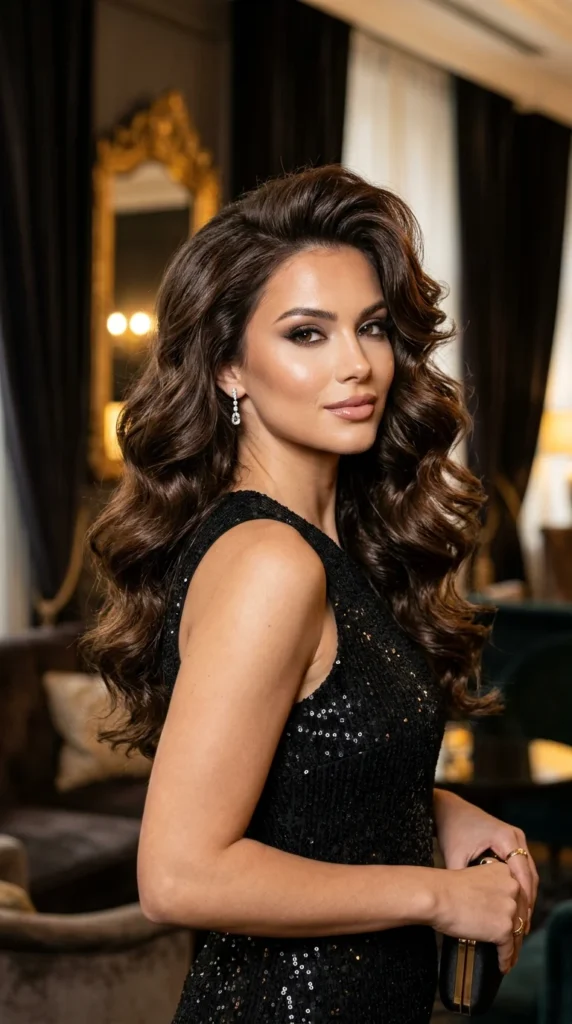
For a formal look, face-framing layers allow for big, bouncy curls that don’t weigh the hair down. These shorter pieces can be curled away from the face for a “red carpet” finish.
20. Bohemian Layers
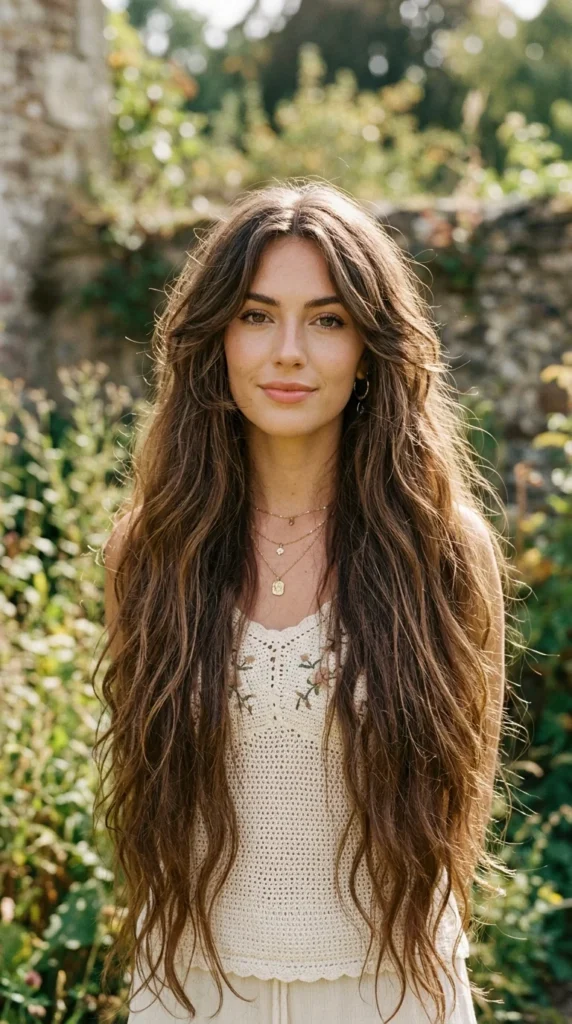
Boho layers are all about imperfection. These layers are often cut dry to follow the natural fall of the hair, resulting in a look that feels organic and free-spirited.
21. Tapered Front
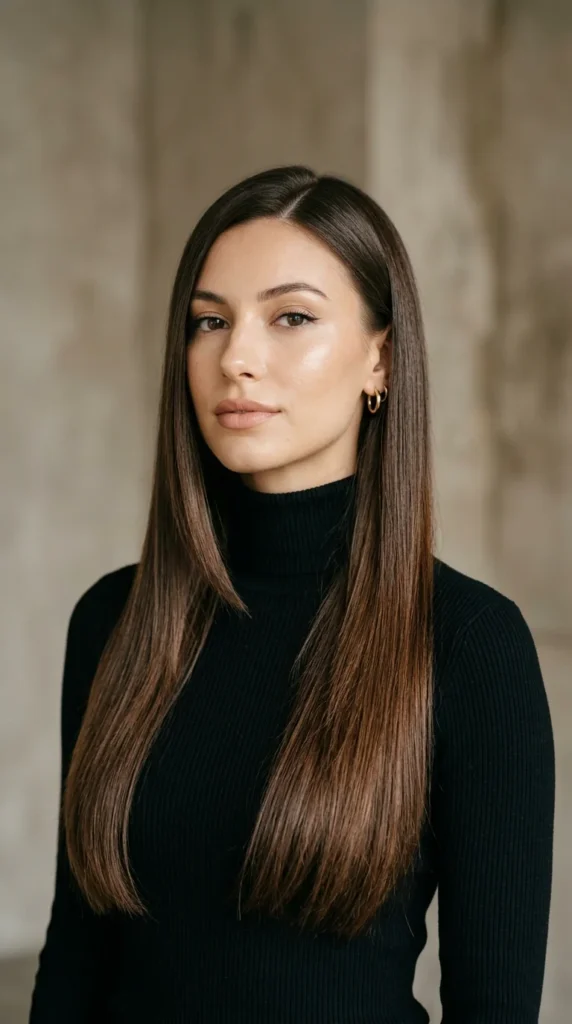
A tapered front is a clean, classic way to incorporate face-framing. It involves a steep diagonal cut from the chin down to the longest length, creating a “V” shape around the face.
22. Soft Shag
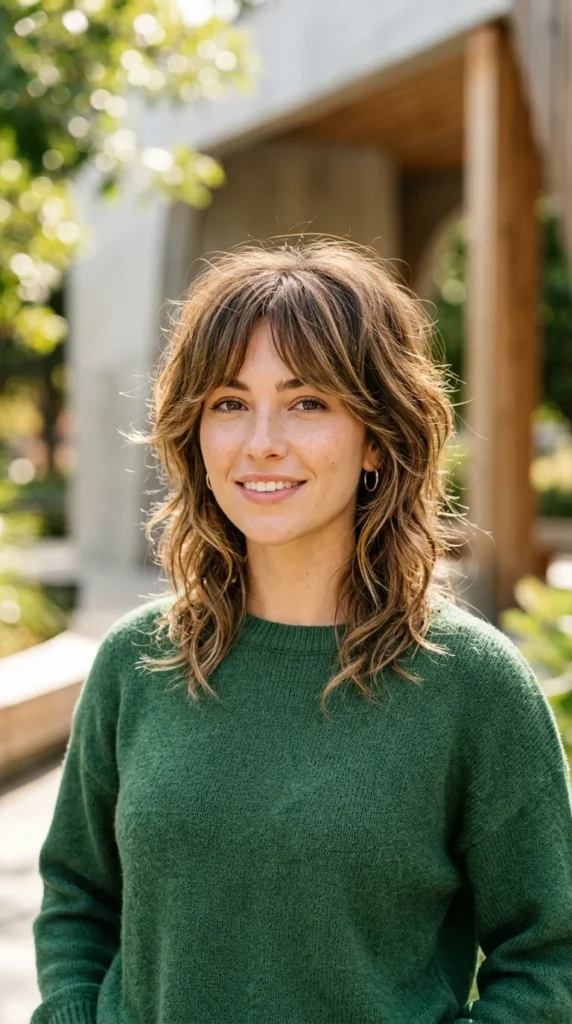
The soft shag is a more wearable version of the classic shag. The face-framing layers are blended more carefully, providing texture without the extreme “choppiness” of the traditional style.
23. V-Cut Back
While the focus is on the face, the V-cut ensures that the face-framing layers transition beautifully into the back of the hair, creating a cohesive, pointed silhouette.
24. Sun-Kissed Glow
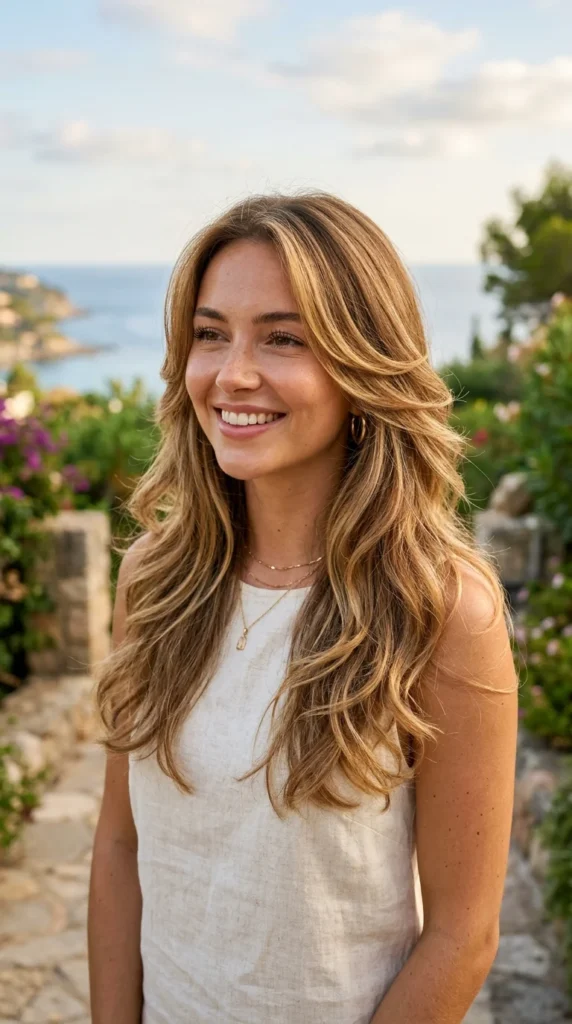
Face-framing layers are the perfect canvas for balayage. By placing the lightest colors on the shortest layers, you create a natural, sun-bleached look that brightens the entire face.
25. Deep Side Part
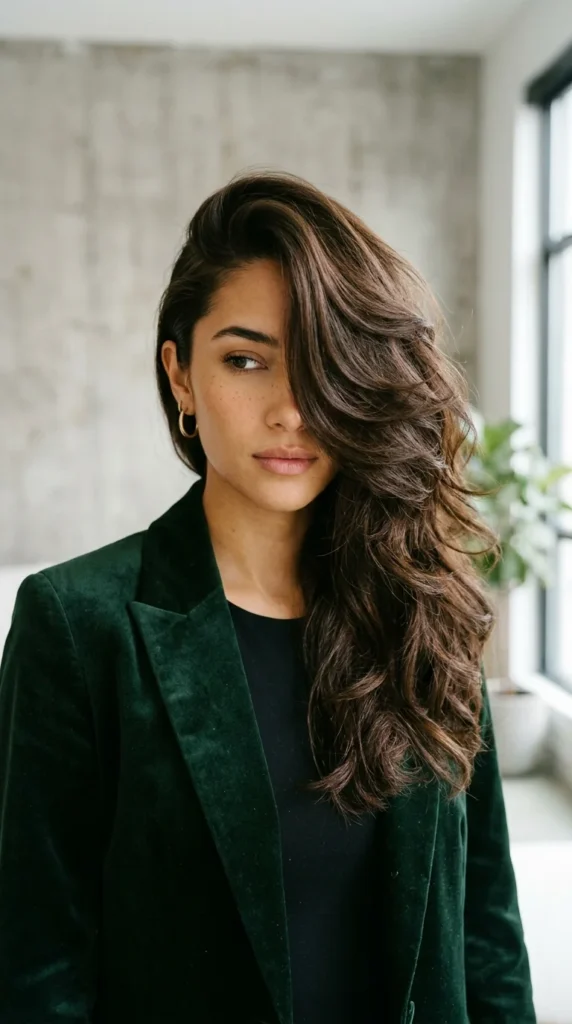
A deep side part maximizes the impact of face-framing layers. One side becomes a dramatic “curtain” of hair that can be styled to hide or highlight certain features.
26. Polished Blowout
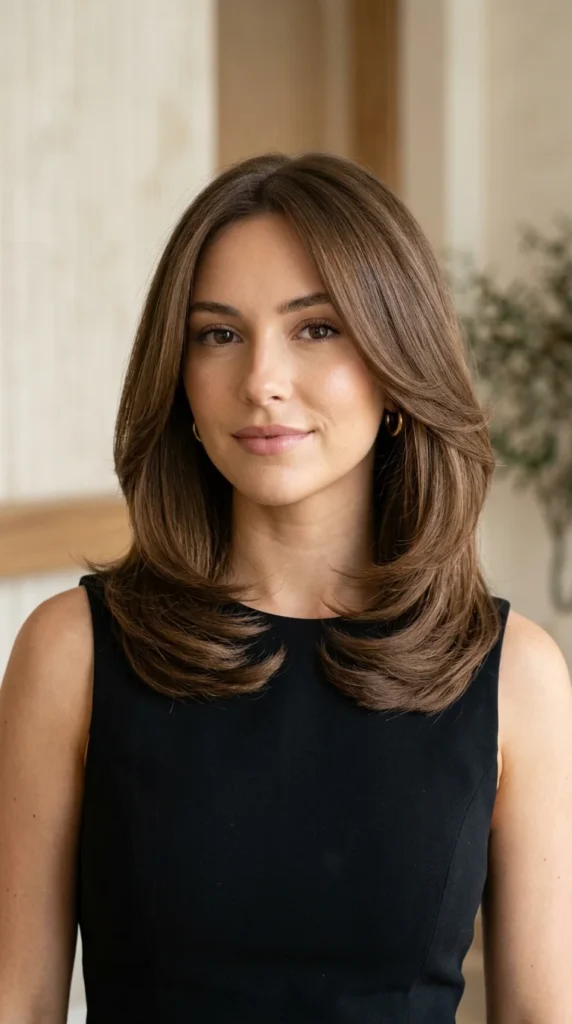
A polished blowout is the best way to show off a precise layered cut. By using a round brush to curl the layers inward, you create a frame that looks neat and sophisticated.
27. Textured Ends
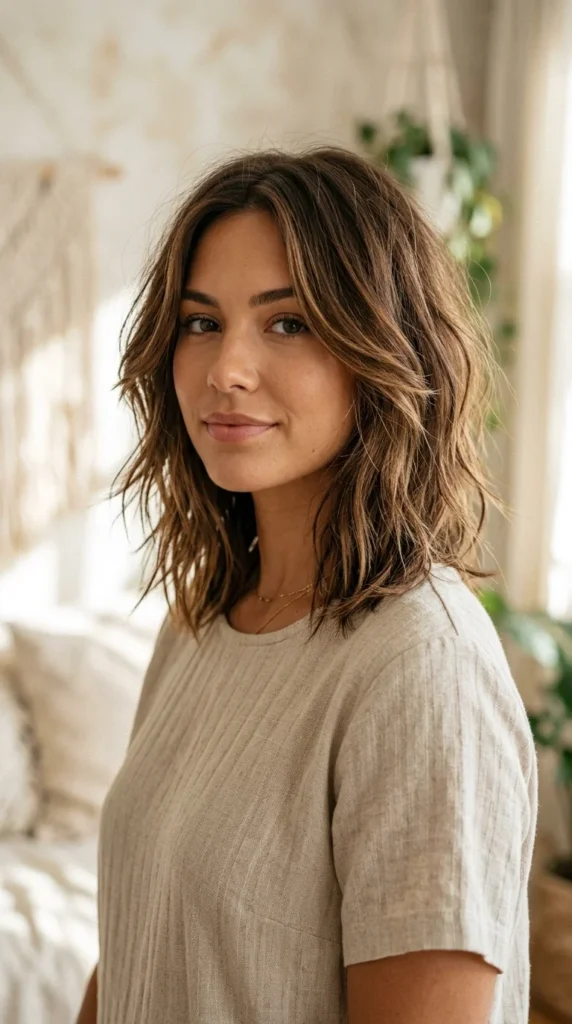
Textured ends give face-framing layers a modern, “lived-in” feel. This is ideal for those who prefer a low-maintenance style that looks better as the day goes on.
28. Ombre Transitions
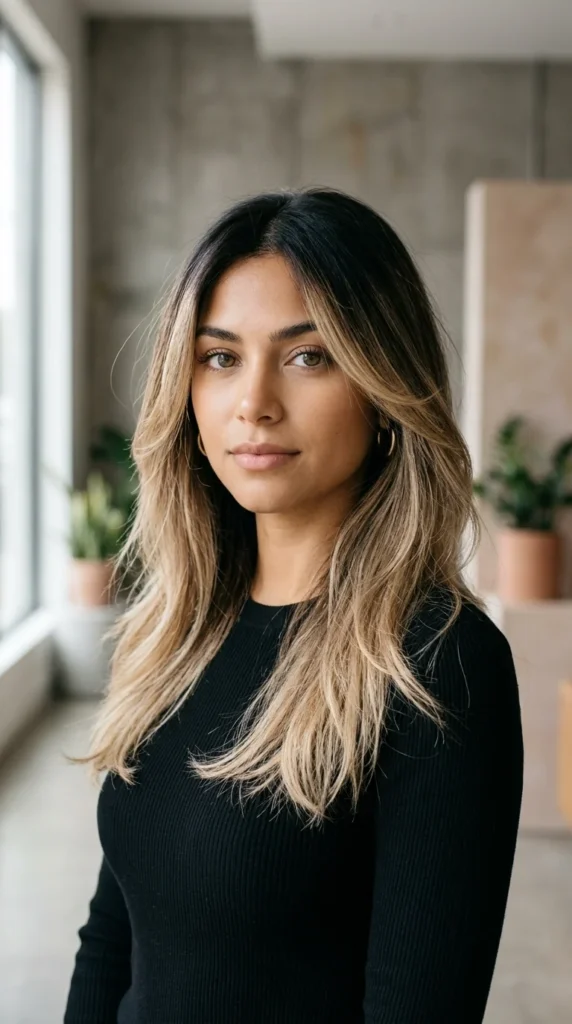
Using layers to signal a color transition—like an ombre—creates a very intentional and artistic look. The layers help the two colors blend more naturally around the face.
29. Messy Bedhead
PThe bedhead look relies heavily on layers to create that “tossed” volume. Face-framing pieces are essential here to keep the messiness from looking overwhelming.
30. Classic Internal Layers
Sometimes the best layers are the ones you can’t see immediately. Internal layers provide the weight loss and movement of a layered cut while maintaining the appearance of a solid, one-length style.How to Maintain Your Face-Framing Layers
Once you’ve chosen your favorite style, maintaining those layers is key to keeping the look fresh. Because these pieces are at the front of your hair, they are often the first to show damage from heat styling or environmental factors.
- Regular Trims: To keep the “frame” at the right height (like your cheekbones or jaw), you’ll need a trim every 6-8 weeks.
- Heat Protection: Always use a heat protectant, especially on the front layers, as they are often styled more frequently than the back.
- The Right Tools: A small-to-medium round brush is your best friend for styling face-framing layers, helping you flip them out or curl them in with ease.
- Dry Shampoo: Use dry shampoo at the roots of your face-framing layers to keep them from looking flat or oily throughout the day.