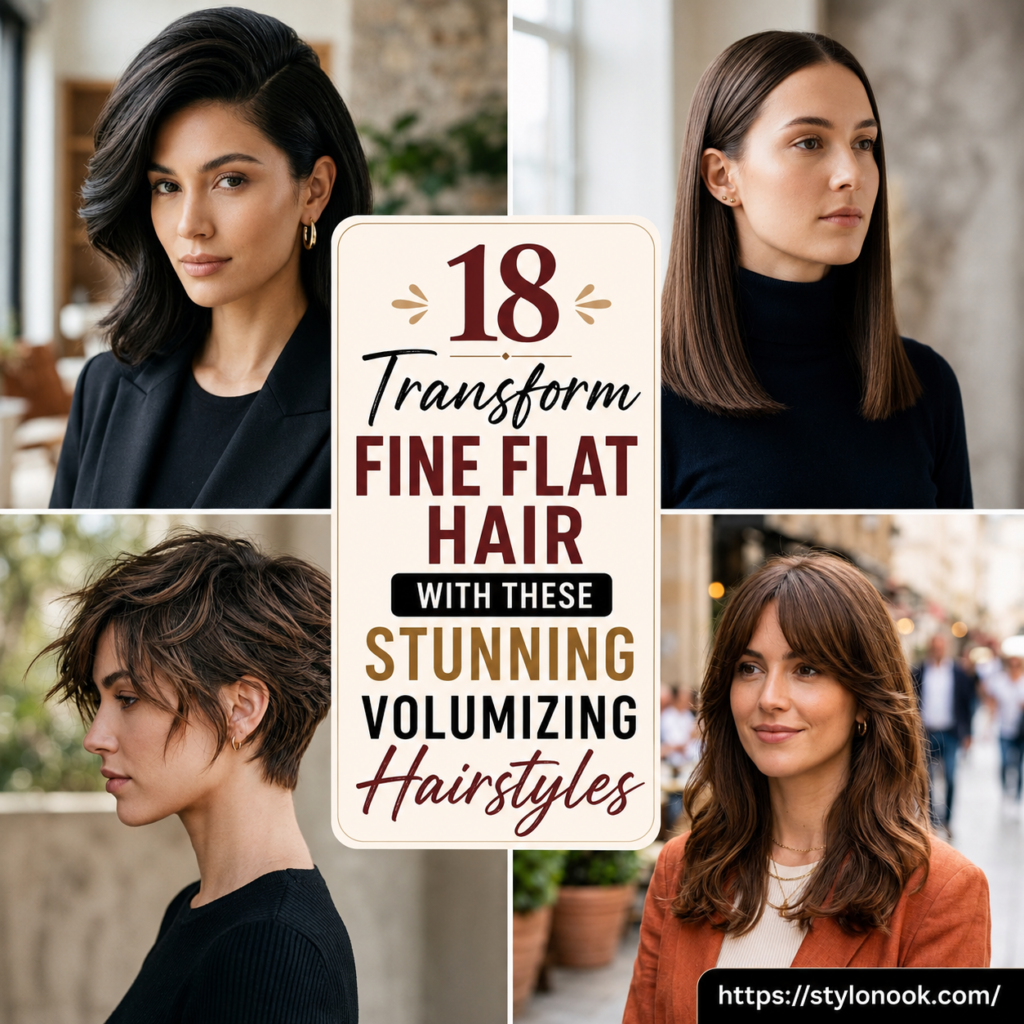

For those born with fine hair, the struggle against “flatness” is a daily battle. You wash it, style it, and thirty minutes later, it’s hugging your scalp like it’s afraid of the air. But here is the secret: volume isn’t just about the products you pour onto your head; it’s about the architecture of the cut and the strategy of the style. Fine hair can look incredibly lush and thick if you know how to trick the eye.
Whether you’re looking for a dramatic chop or a simple styling tweak, these 18 hairstyles are specifically designed to breathe life, movement, and—most importantly—height into fine, flat strands.
1. Choppy Bob
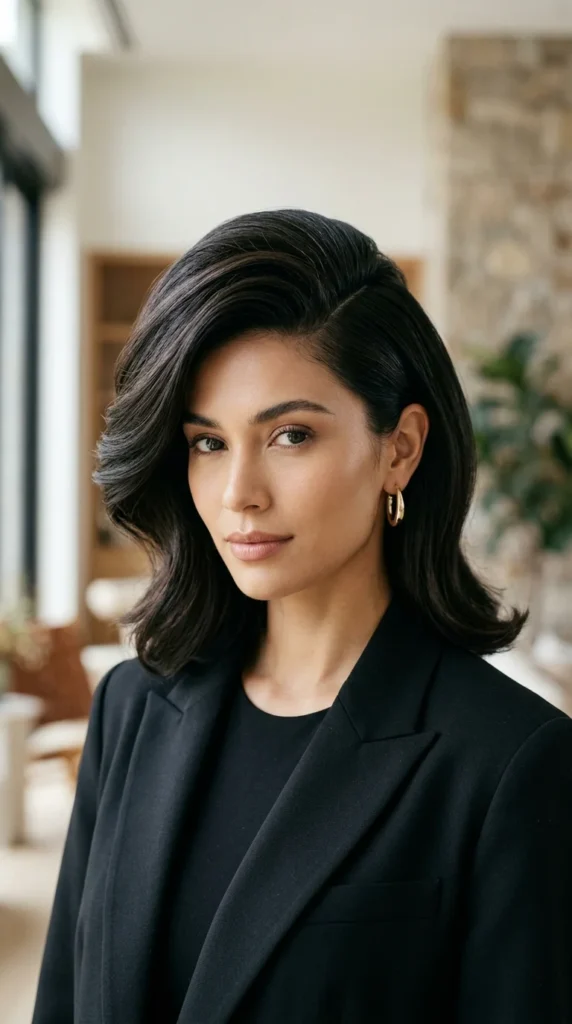
The choppy bob is the ultimate antidote to limp hair. By incorporating uneven, jagged ends, this cut removes the weight that often pulls fine hair down. The texture at the tips creates an illusion of thickness, making the hair appear fuller than it actually is. When styled with a bit of texturizing spray, the layers bounce off one another, creating a 3D effect.
2. Curtain Bangs

Curtain bangs are a miracle worker for flat hair because they focus the volume right where you need it most: around the face. By cutting shorter pieces that sweep outward, you create a visual “lift” at the cheekbones and forehead. This prevents the hair from looking like it’s just hanging there, adding a much-needed structural element to any length.
3. Deep Side Part
If you’re not ready for a haircut, change your part. Shifting your hair from a center part to a deep side part forces the hair to stand up at the root. Because the hair is being pushed against its natural growth pattern, it creates instant, natural height without the need for heavy styling products.
4. Layered Pixie

Short hair is inherently more voluminous because it weighs less. A layered pixie takes this to the next level by stacking hair on top of itself. The short layers support the longer ones, preventing them from falling flat. It’s a bold look that prioritizes texture and crown volume over length.
5. Blunt Cut
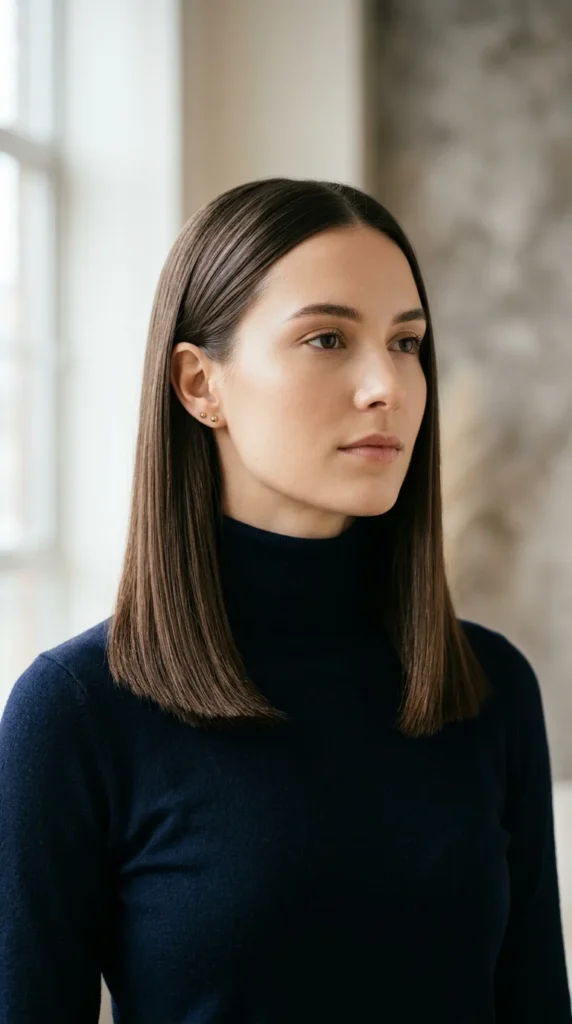
While layers are great for movement, a blunt cut is the king of perceived density. When the ends of your hair are cut in a straight, solid line, it creates the illusion of maximum thickness at the base. This “solid” look tricks the eye into thinking the hair is much more substantial than it is.
6. Shaggy Wolf Cut
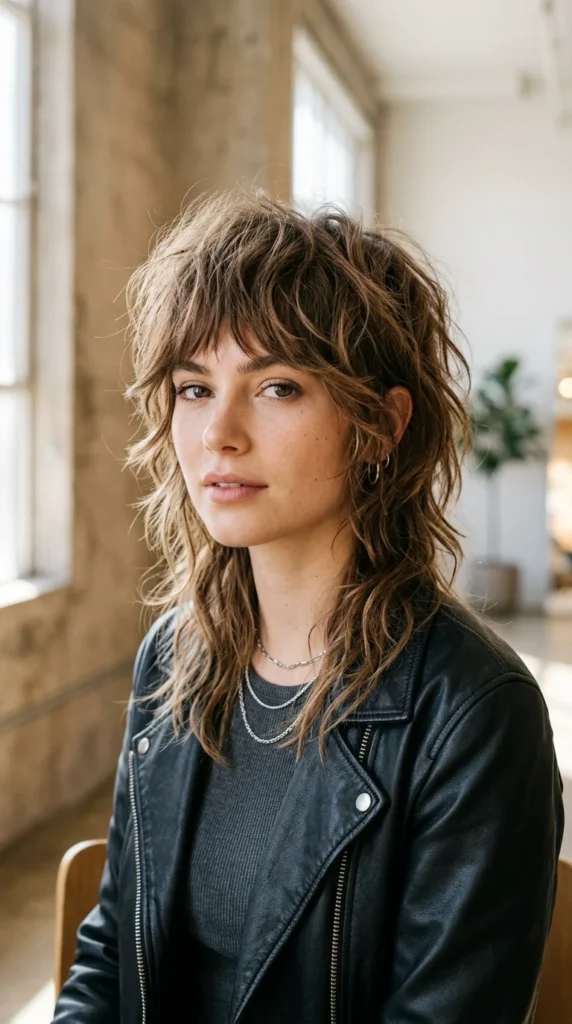
The wolf cut is a modern hybrid of the shag and the mullet, and it is a godsend for fine hair. By concentrating the shortest layers at the top and around the face, it builds an internal structure that holds height. The “messy” nature of the cut means that even when it’s unstyled, it looks intentionally voluminous.
7. The Butterfly Cut
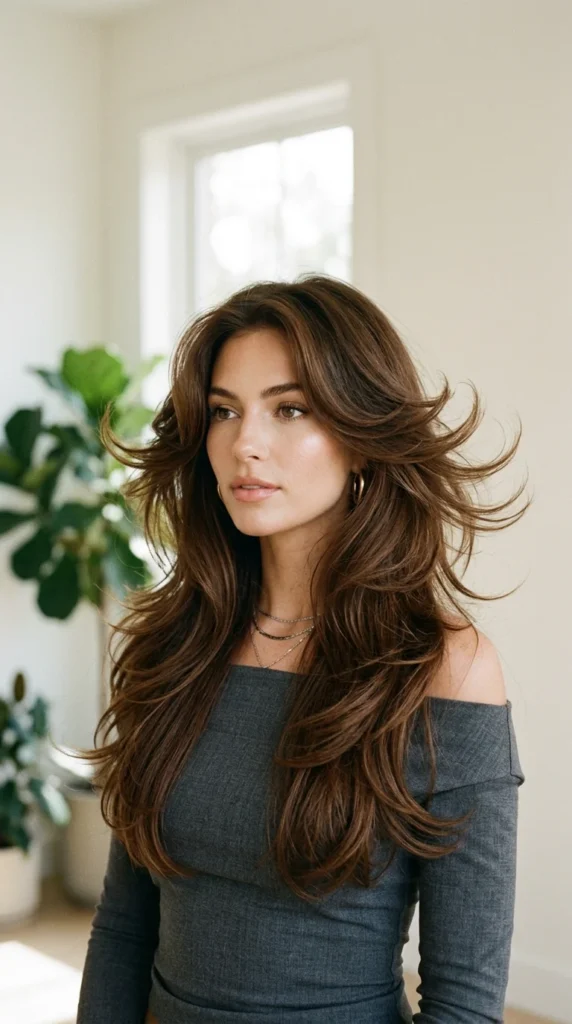
This cut uses short, face-framing layers on top and longer layers on the bottom. The result is a cascading effect that mimics the shape of butterfly wings. This “disconnected” layering style allows the top section to remain light and bouncy, while the bottom retains the appearance of length.
8. Messy Low Bun

Volume doesn’t always have to come from a haircut. A messy low bun works for fine hair by using the “pull and fluff” method. After securing the bun, gently tug at the hair at the crown and sides to create loops and air pockets. This creates a soft, voluminous silhouette that masks the thinness of the hair.
9. Teased Crown
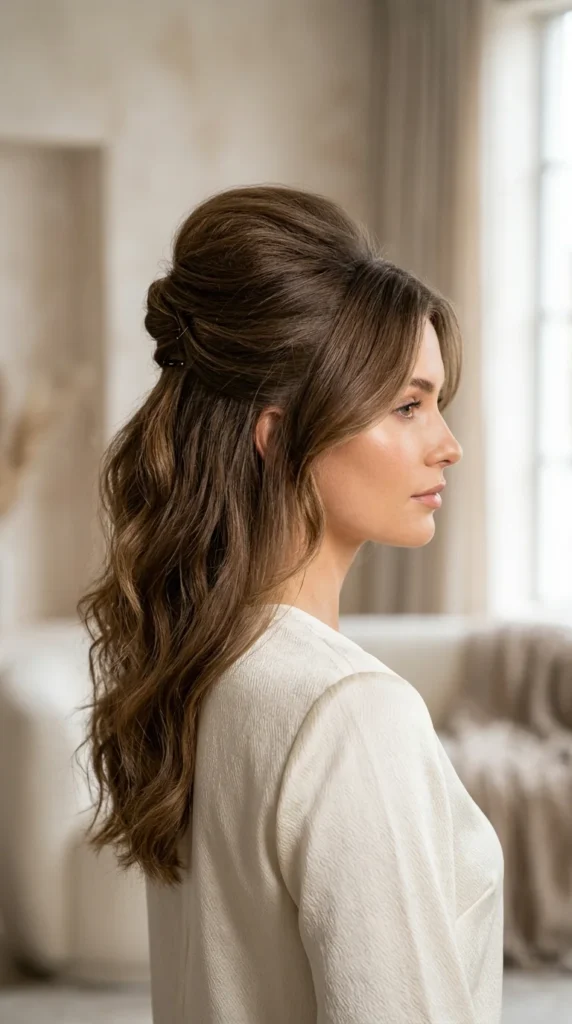
A little bit of backcombing (or teasing) at the crown can transform any look. By creating a “cushion” of hair at the roots, you provide a foundation for the rest of your hair to sit on. This 1960s-inspired technique is the fastest way to get red-carpet-worthy height on flat hair.
10. Root-Lifted Lob
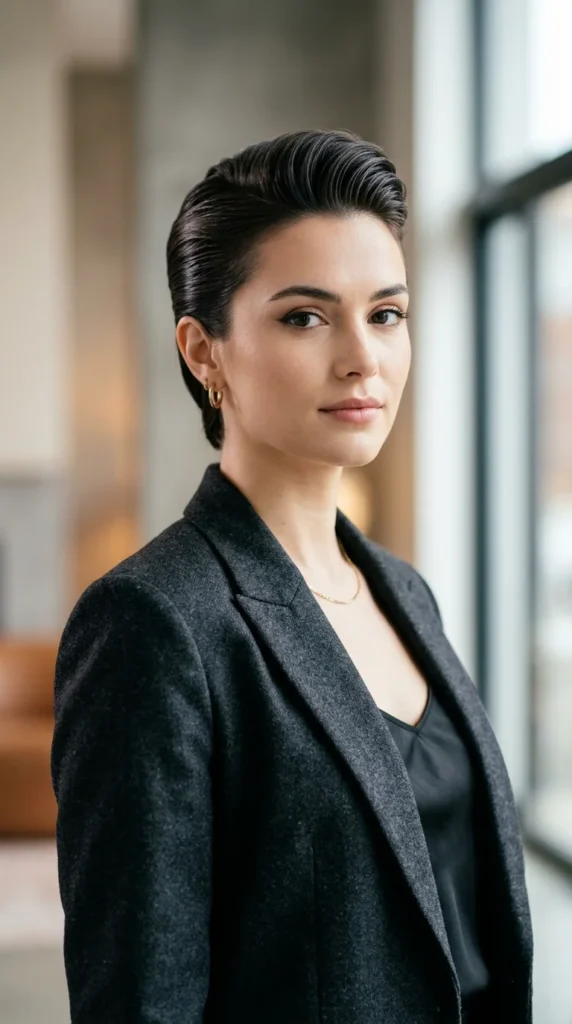
The “Lob” (long bob) is the “Goldilocks” of haircuts—not too short, not too long. When paired with root-lifting techniques, like blow-drying upside down or using a round brush, it offers enough length to be versatile while remaining light enough to maintain its bounce throughout the day.
11. Waterfall Braids
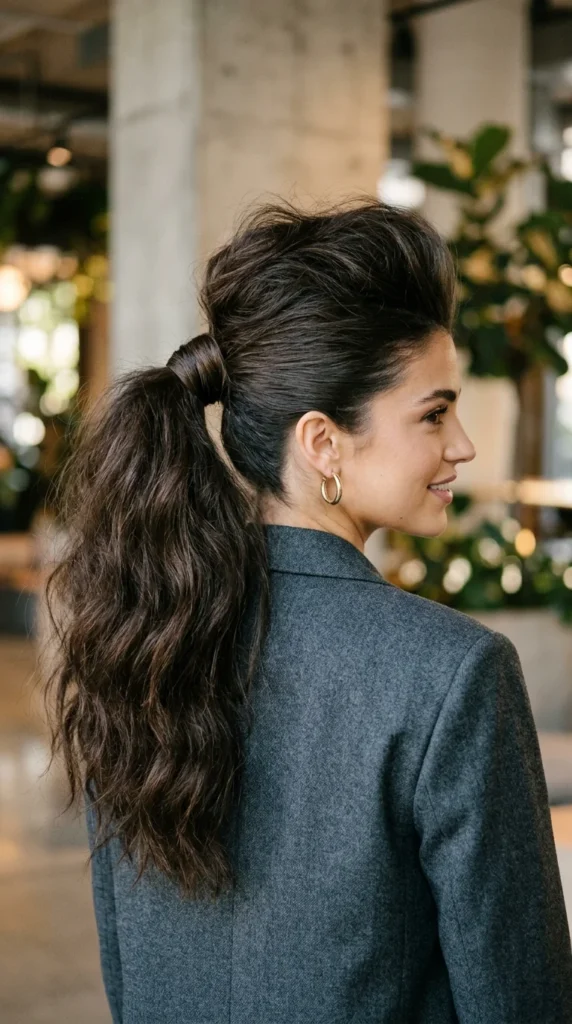
Braids are excellent for adding “bulk” to the hair. A waterfall braid adds a horizontal element to the hairstyle, which breaks up the vertical lines that often make fine hair look flat. The overlapping sections of hair create shadows and depth, making the overall mane look much thicker.
12. Voluminous Pony
The secret to a thick ponytail on fine hair is the “double pony” trick or using a small claw clip hidden inside the base. By propping up the ponytail, you give it a “fountain” effect that flows outward rather than hanging limply. Adding some curls to the tail of the pony further increases the visual volume.
13. Beachy Waves
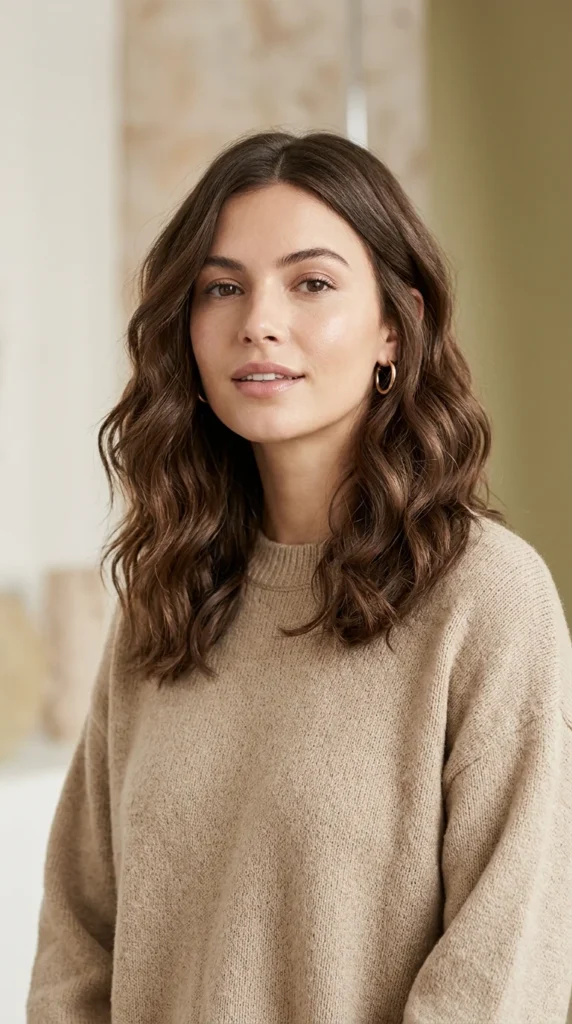
Straight hair shows off every gap between the strands; wavy hair hides them. Beachy waves add horizontal width to your silhouette. The “S” shape of the wave creates space between the hairs, effectively doubling the space your hair takes up visually.
14. Texturized Top Knot
By pulling all your hair to the highest point of your head, you are creating a focal point of volume. A texturized top knot uses dry shampoo or sea salt spray to make the individual strands “grippy,” allowing you to pin the bun loosely so it looks large and full rather than like a small “donut.”
15. Italian Bob

Unlike its sharper French cousin, the Italian bob is all about “heaviness” and glamour. It’s cut with slightly more length and more internal texture, allowing it to be flipped from side to side. This constant movement prevents the hair from settling into a flat position.
16. Shadow Roots

While not a “cut,” shadow roots are a styling essential for fine hair. By keeping the roots a shade or two darker than the rest of the hair, you create an optical illusion of depth. The dark roots look like shadows under thick hair, making the lighter lengths appear much more voluminous.
17. Slicked-Back Volume
This style uses the “wall” technique. By slicking the sides down and pushing the top section back with some volume-boosting mousse, you create a contrast. The flat sides make the top look even higher, providing a sophisticated, voluminous aesthetic that stays in place all night.
18. Face-Framing Layers
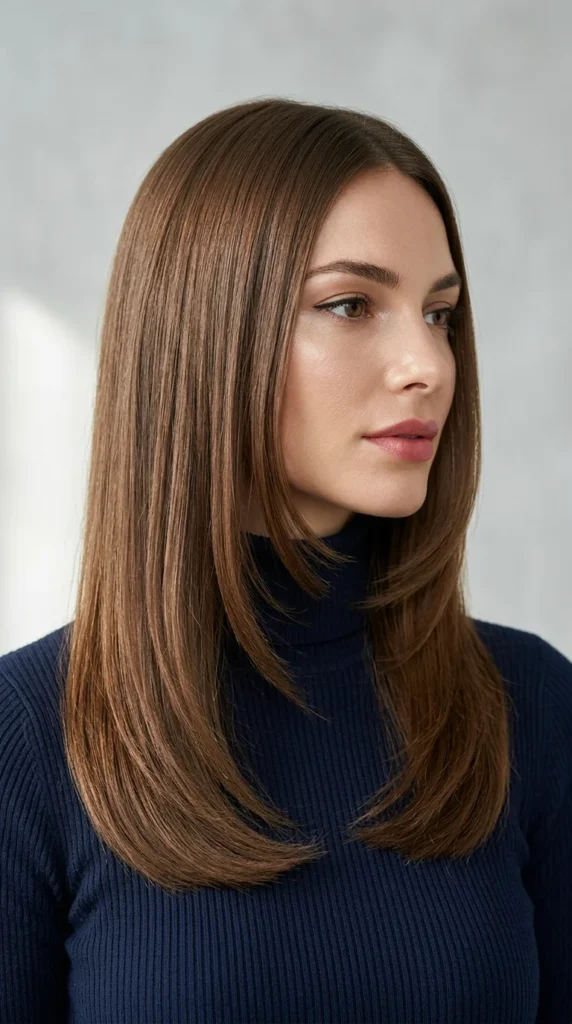
If you insist on keeping your length, face-framing layers are non-negotiable. Long, one-length hair is the enemy of volume because the weight of the hair pulls everything down. By adding layers that start at the chin or collarbone, you remove weight from the front, allowing the hair to “swing” and “bounce” as you move.