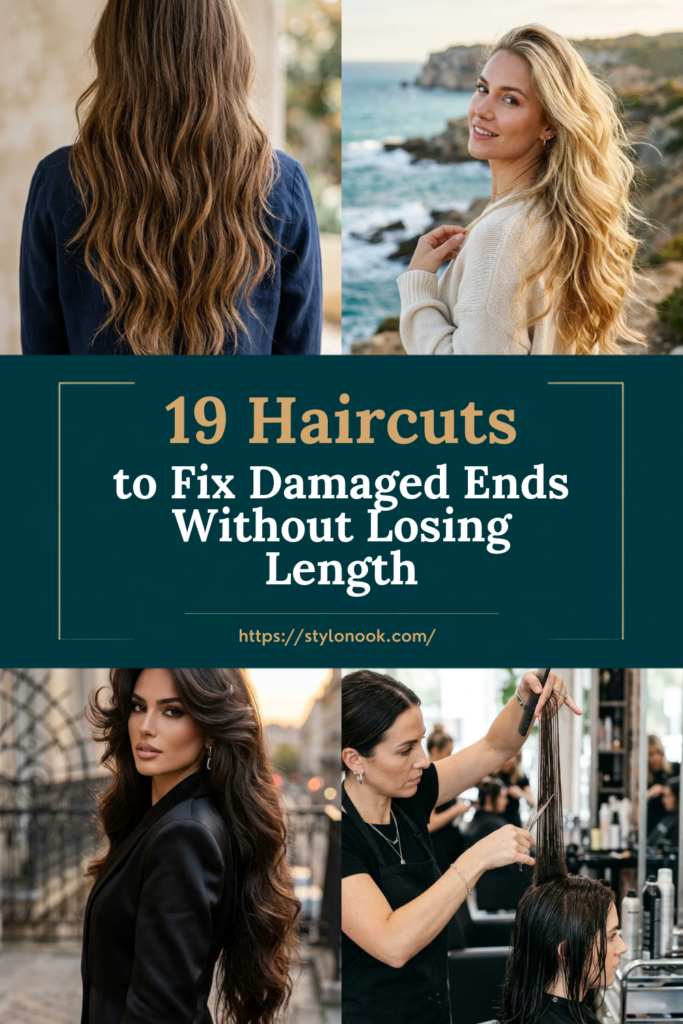

The ultimate hair paradox is wanting to get rid of split ends while being terrified of losing even a fraction of an inch of length. We’ve all been there: sitting in the stylist’s chair, asking for a “tiny trim,” and walking out with a bob. However, modern cutting techniques have evolved far beyond the traditional “blunt chop.”
You can absolutely revive your hair’s health, remove the dry, crunchy bits, and maintain your mermaid-length dreams. By focusing on internal weight removal, surface smoothing, and strategic layering, these 19 haircuts and techniques prioritize health without sacrificing the hard-earned inches.
1. Hair Dusting
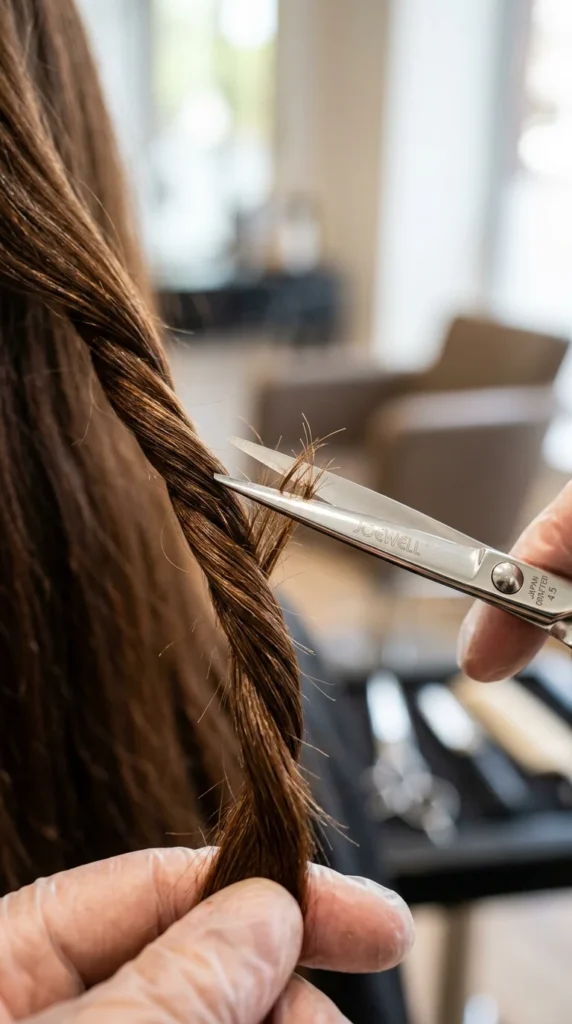
Hair dusting is the holy grail for length-obsessed individuals. Unlike a traditional trim that cuts across the bottom, dusting treats the hair like a fine fabric. The stylist twists sections of hair or slides their fingers down the length to make the damaged ends “pop” out. They then “dust” off only those split ends along the shaft. You lose zero length, but your hair instantly feels smoother and looks shinier because the light-refracting damage is gone.
2. Invisible Layers

Invisible layers, also known as “internal layers,” are cut underneath the top canopy of your hair. This technique removes the “dead weight” and damaged bulk from the interior of your mane. By thinning out the damaged mid-lengths from the inside, your hair gains a lighter, bouncier feel without changing the perimeter line. It’s perfect for those with thick hair that feels weighed down by dry ends.
3. Internal Layers
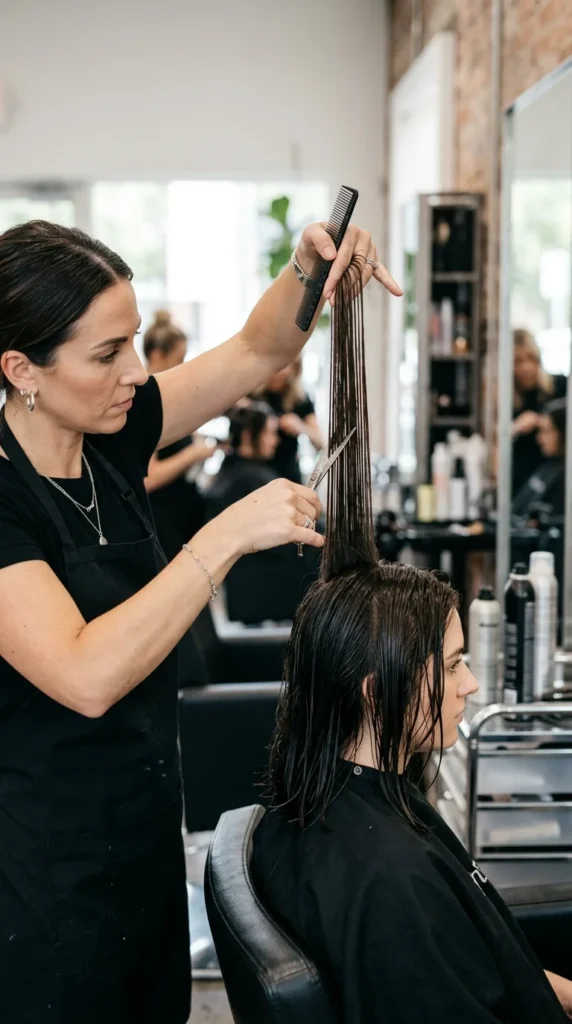
Similar to invisible layers but more focused on structural integrity, internal layering involves “carving” out small sections of hair from the underside. This is particularly effective for curly or wavy hair types where the ends tend to get frizzy and tangled. By removing the damaged fibers from the “belly” of the haircut, you eliminate the friction that causes further breakage.
4. The Butterfly Cut

The Butterfly Cut is the trendiest way to get a “big change” without losing length. It utilizes short, face-framing layers around the crown to remove any sun-damaged or heat-damaged hair around the face—where damage is usually most visible. The rest of the hair cascades down the back at its original length, giving you the illusion of a shorter, chicer cut from the front while keeping your long locks in the back.
5. Tapered Ends
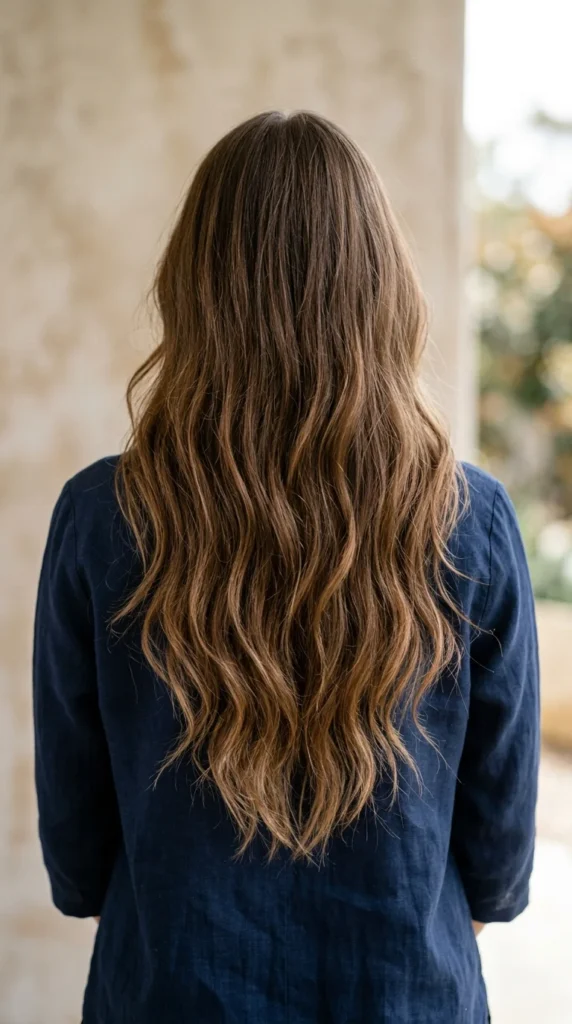
If your ends are looking “scraggly,” sometimes a blunt cut actually makes the damage more obvious. Tapering involves thinning out the very bottom inch of the hair to create a soft, wispy finish. This removes the most concentrated area of split ends while allowing the hair to blend seamlessly. It’s a great way to “blend” away damage that has occurred at different heights.
6. Ghost Layers
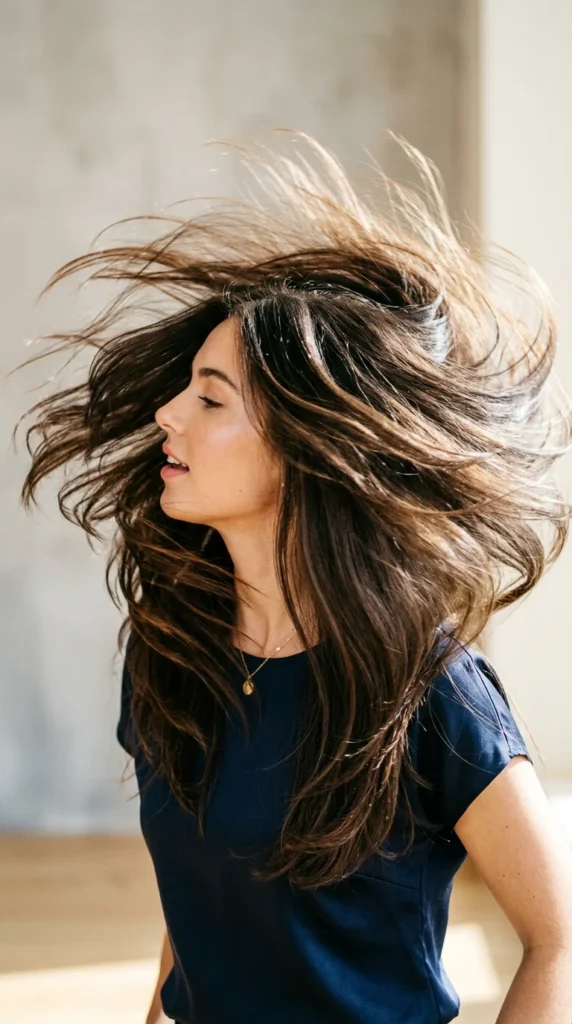
Ghost layers are so subtle they are practically invisible to the naked eye. The stylist cuts very thin, vertical layers into the hair while it’s dry. This technique is designed to add movement and remove damaged tips throughout the head without creating a visible “step” in the hair. It’s the best option for fine-haired girls who want to remove damage without making their hair look thin.
7. Face-Framing Fringe

Often, the most damaged part of our hair is the front section, due to constant touching, heat styling, and environmental exposure. By opting for a face-framing fringe or “curtain bangs,” you can cut away the most compromised strands around your face. This refreshes your entire look and removes the “frizzy frame,” while the entire back of your hair stays exactly as long as it was.
8. Long Shag

The modern long shag uses a lot of crown layers to remove weight and damage from the top sections of the hair. Because the shag thrives on a “piecey” look, the stylist can target specific areas of damage throughout the head. You get to keep your length at the bottom, but the overall health of the hair increases because the “old” hair on the surface is replaced by fresh, layered edges.
9. Point Cutting
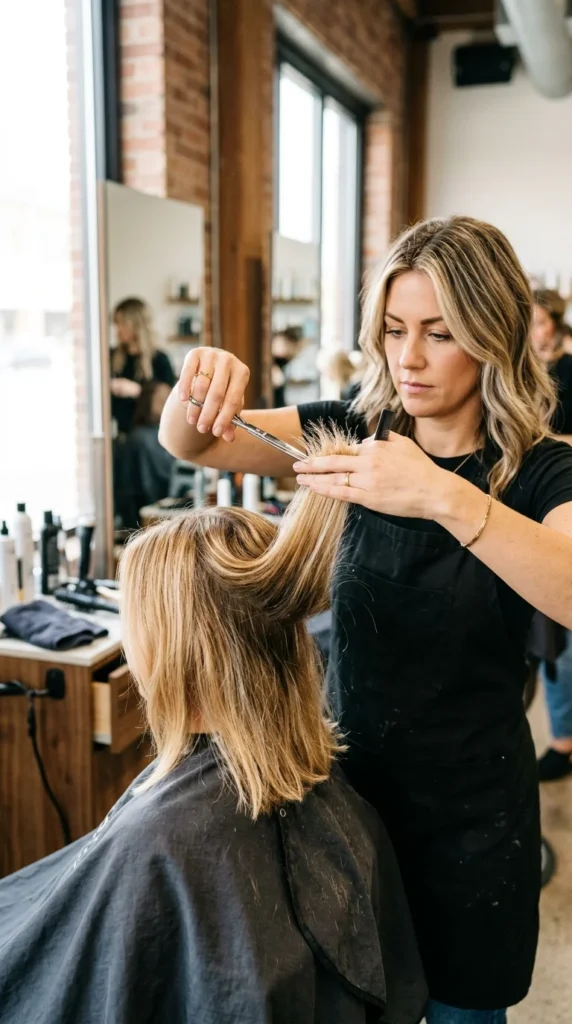
Point cutting is a finishing technique where the scissors are held vertically rather than horizontally. Instead of a straight chop that removes a chunk of length, the stylist snips into the ends. This removes the split ends selectively. It creates a textured, blurred edge that hides any remaining imperfections and allows the hair to grow out more naturally.
10. The V-Cut
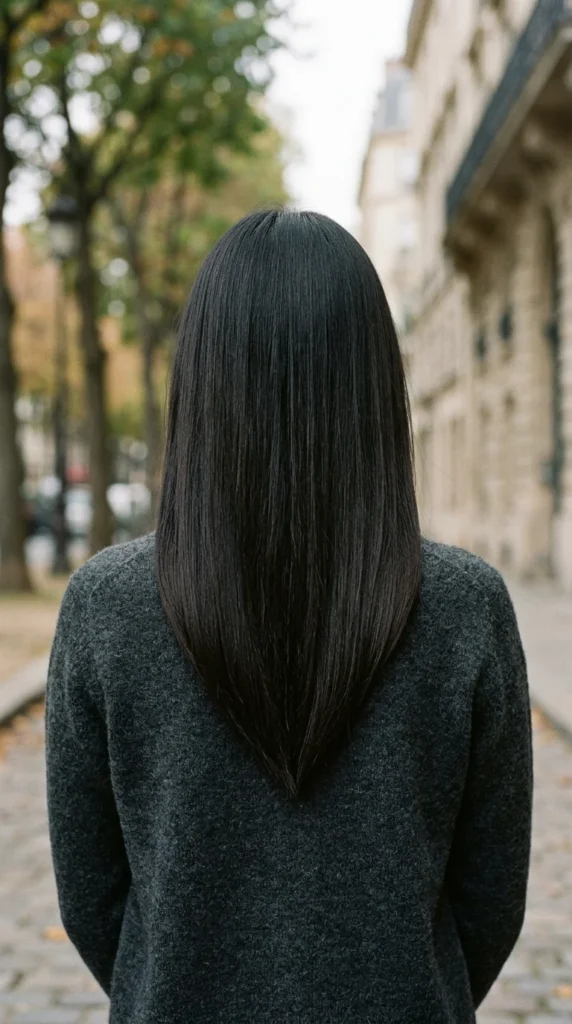
The V-cut is a classic for length-lovers. By cutting the hair at an angle so it comes to a point in the center of the back, you can remove a significant amount of damage from the sides (which usually break more easily) while keeping the center length intact. It creates a dramatic, flowing silhouette that looks intentional and healthy.
11. The U-Cut
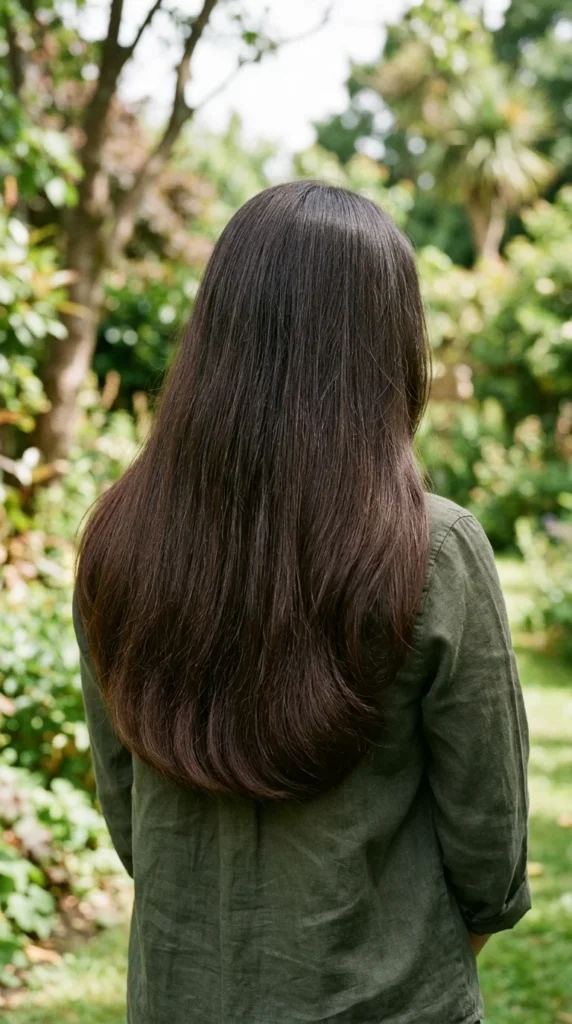
If the V-cut is too dramatic, the U-cut is its softer cousin. It rounds off the corners of your hair, which is where the most breakage typically occurs. By curving the hemline, you remove the “see-through” ends that often plague long hair, making the overall mane look much thicker and healthier without sacrificing the middle length.
12. Slide Cutting
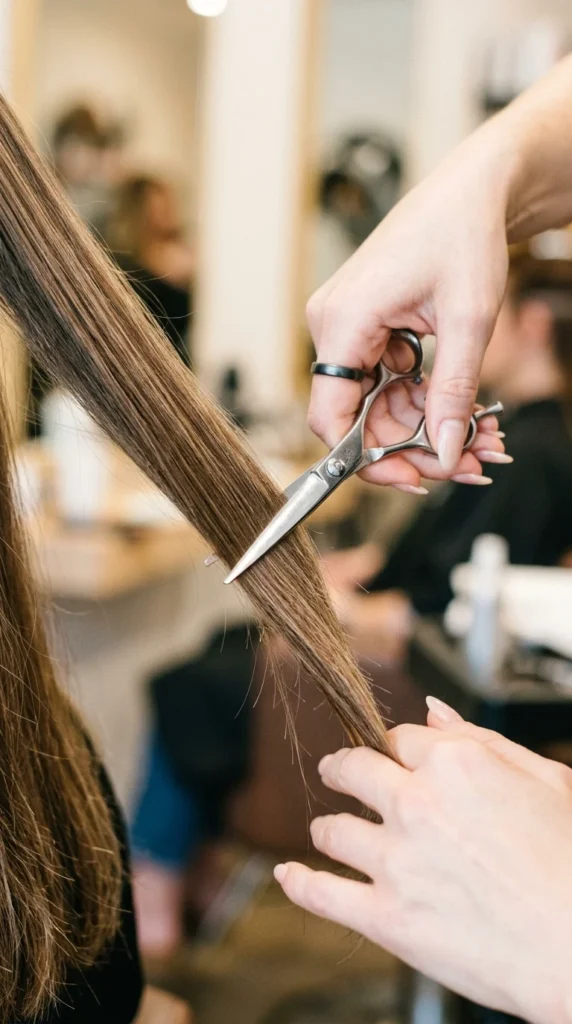
Slide cutting is a technique used to “feather” the hair. The stylist slides slightly open scissors down the hair shaft. This is excellent for removing damaged “bulk” and creating a seamless transition between different lengths of hair. It’s particularly effective for blending out old, damaged layers into the rest of your long hair.
13. Micro-Trim
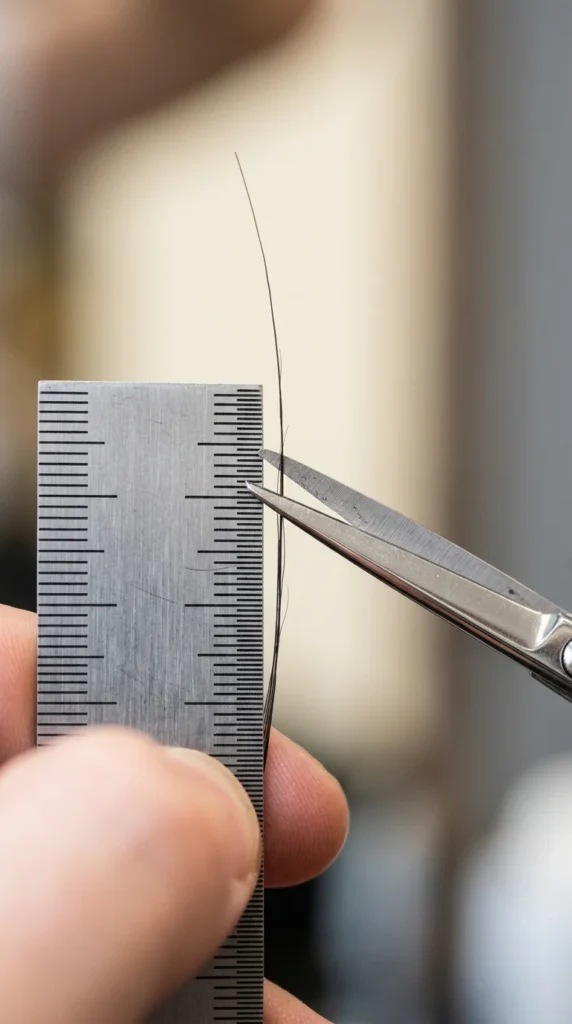
The micro-trim is a psychological and physical win. It involves cutting less than an eighth of an inch every 6 to 8 weeks. This is less than the amount your hair grows in that time. By doing this, you are constantly removing the newest split ends before they have a chance to travel up the hair shaft, effectively “fixing” the damage while your hair continues to get longer.
14. Feathered Ends

Feathering focuses exclusively on the last two inches of the hair. Using a specific tension, the stylist thins the ends out to look like the edge of a feather. This removes the “crunchy” feeling of dry ends. Because the ends are so light, they don’t rub together as much, which actually prevents future tangles and breakage.
15. Razored Layers
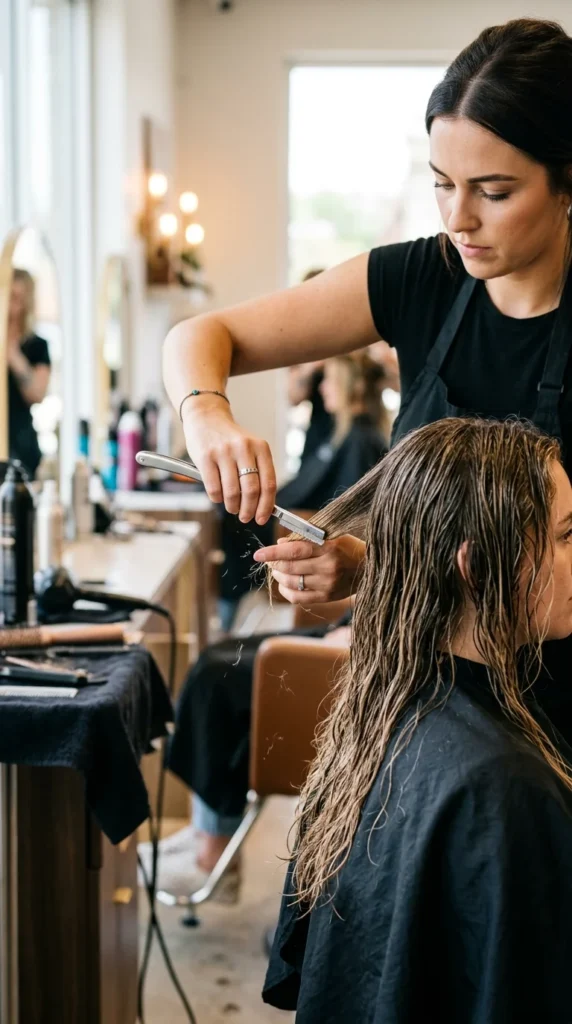
Using a razor instead of scissors can be a game-changer for certain hair textures. A razor allows the stylist to shave away the damaged outer cuticle of the ends very thinly. This results in a very soft, “lived-in” look that is incredibly effective at hiding split ends and making the hair look effortlessly healthy.
16. Soft Blunt Cut
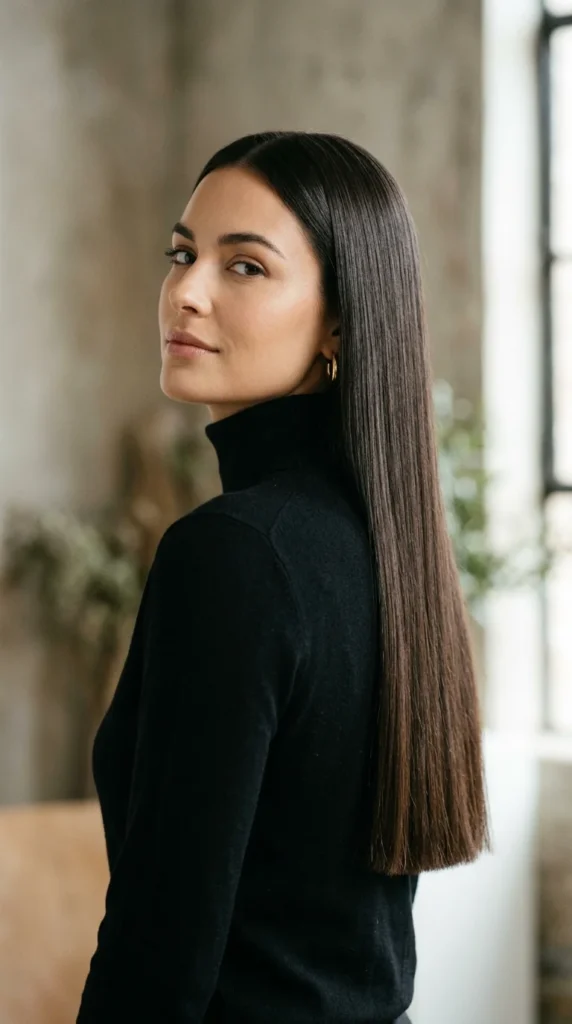
Wait, a blunt cut? Yes—but a soft one. If your hair has become “transparent” at the bottom due to breakage, the best way to fix it is to cut a straight line just above the transparent zone. Even if you lose half an inch, the hair will look significantly longer because the “weight line” is now solid. A solid line of hair looks longer than a longer line of wispy, see-through hair.
17. Bottleneck Bangs

Bottleneck bangs are a hybrid between a full fringe and curtain bangs. They are great for “resetting” the hair around your forehead and temples—areas often damaged by headbands, glasses, or skincare products. By refreshing this “central” part of your look, the rest of your long hair feels new and revived.
18. The C-Cut
The C-cut (or “Curved Cut”) involves cutting layers in a rounded shape toward the face. This removes the frayed ends that usually sit right on your shoulders (where friction damage is highest). By curving these layers, you keep the integrity of your length in the back while cleaning up the “high-friction” zones around the front and sides.
19. Split End Search

Technically a maintenance method used during a cut, “Search and Destroy” is when a stylist goes through the hair section by section in high lighting to find individual split ends. They snip only the split ones, regardless of where they are on the head. It is time-consuming but the most effective way to ensure that 100% of your damage is gone without a single millimeter of overall length being sacrificed.