
Nothing kills a good hair day faster than split ends. Whether they are the result of excessive heat styling, over-processing with bleach, or simply the wear and tear of environmental stressors, damaged ends can make your hair look frizzy, thin, and dull. While deep conditioners and serums can temporarily mask the problem, the only true “cure” for damaged hair is a fresh cut.
Choosing the right haircut is about more than just losing length; it’s about strategically removing the “dead weight” while enhancing your natural texture and face shape. If you’re ready to breathe new life into your mane, here are the 17 best haircuts to eliminate damaged ends and restore your hair’s vitality.
1. Pixie Cut

The ultimate “reset button,” the pixie cut is the most effective way to remove 100% of damaged hair in a single session. This look is perfect for those who have experienced significant chemical damage from bleaching or relaxers. By cropping the hair close to the scalp, you allow a completely fresh start for healthy, virgin hair to grow back. Modern pixies can be customized with soft layers or edgy undercuts to suit any personality.
2. Blunt Bob

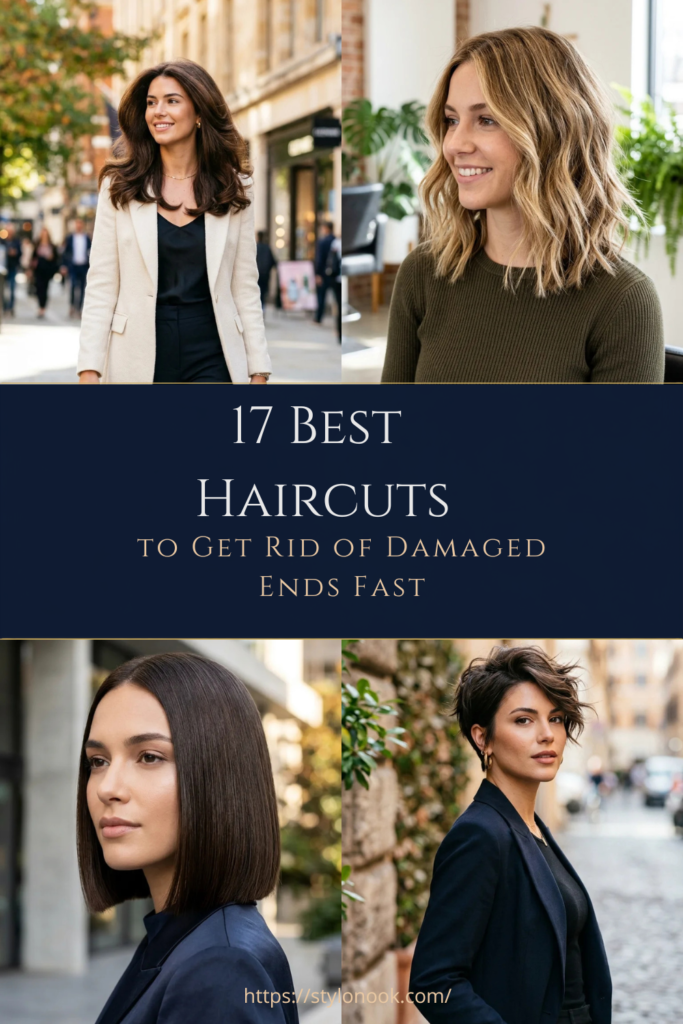
If your ends look “see-through” or thin due to breakage, the blunt bob is your best friend. By cutting the hair to a single length, usually around the chin or jawline, you create the illusion of maximum thickness. This style removes the wispy, frayed edges that often plague long-haired individuals, giving the hair a heavy, healthy, and sophisticated appearance.
3. Choppy Lob

The “Lob” (long bob) is the perfect middle ground for those who want to get rid of significant damage without going too short. Adding “choppy” or shattered ends allows the stylist to cut away varying levels of damage while maintaining a trendy, effortless vibe. This cut is particularly great for wavy hair textures, as it encourages natural volume once the dead weight is gone.
4. Internal Layers

Sometimes damage isn’t just at the bottom; it can be scattered throughout the mid-lengths. Internal layers—also known as “invisible layers”—are cut underneath the top section of the hair. This technique allows your stylist to target specific areas of damage and thinning without making your hair look significantly shorter or overly layered on the surface.
5. Butterfly Cut

The Butterfly Cut is currently trending for a reason: it’s the king of “face-framing” damage removal. This style utilizes short layers around the face and crown while maintaining length in the back. It’s an excellent choice for those who have heat damage around the front of their hair (from flat-ironing bangs or face-framing bits) but want to keep their overall long-hair aesthetic.
6. Modern Shag

The shag is a lifesaver for curly and wavy hair types. Because this cut is intentionally messy and highly layered, it allows for the removal of split ends at multiple levels of the hair. The heavy fringe and crown layers remove the most common areas of sun and wind damage, leaving you with a style that looks intentionally “undone” rather than “undressed.”
7. The Wolf Cut

A cross between the shag and the mullet, the Wolf Cut is ideal for removing damage from the top and sides of the head. Since this style focuses on volume at the crown and tapered ends, it’s a great way to transition out of a “chemical haircut” (where hair has snapped off on its own) by blending those shorter broken pieces into a deliberate, edgy silhouette.
8. French Bob

The French Bob is shorter than your average bob, typically hitting right at the cheekbone or jawline. This “micro-cut” is fantastic for getting rid of split ends that have traveled high up the hair shaft. It’s a bold, high-fashion move that leaves your hair feeling incredibly thick and rejuvenated.
9. Ghost Layers

Ghost layers are a specialized cutting technique where the stylist creates very thin, subtle layers throughout the hair that are “hidden” by the top layer. This is the perfect solution for someone who hates the look of traditional layers but needs to prune away split ends that are scattered throughout the hair. It keeps the hair looking long and full while removing the frayed bits.
10. Face-Framing Fringe

Often, the most damaged part of our hair is the section we style the most—the front. If the rest of your hair is healthy but your face-framing pieces are fried from the blow-dryer or curling wand, adding a fringe (bangs) or heavy face-framing layers can solve the problem instantly. This removes the “crispy” front bits and gives you a completely new look without touching your length in the back.
11. Asymmetrical Cut

If you have damage that is uneven—perhaps you sleep on one side or your hair is thinner on one part of your head—an asymmetrical cut is a stylish way to handle it. You can cut away the worst of the damage on the more affected side while keeping some length on the other, creating a chic, intentional look that masks uneven breakage.
12. Tapered Fade
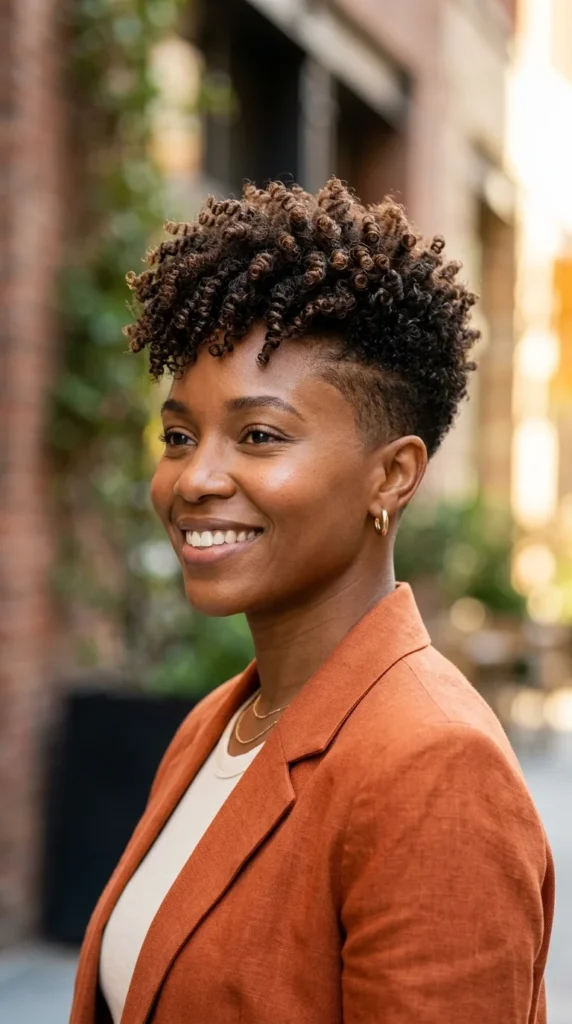
For those with natural or textured hair, a tapered fade is a brilliant way to manage “single-strand knots” and dry ends. By keeping the sides and back short, you focus the “weight” and the health of the hair at the top. This makes your routine much easier and ensures that every curl on your head is bouncy and hydrated.
13. Long Layers
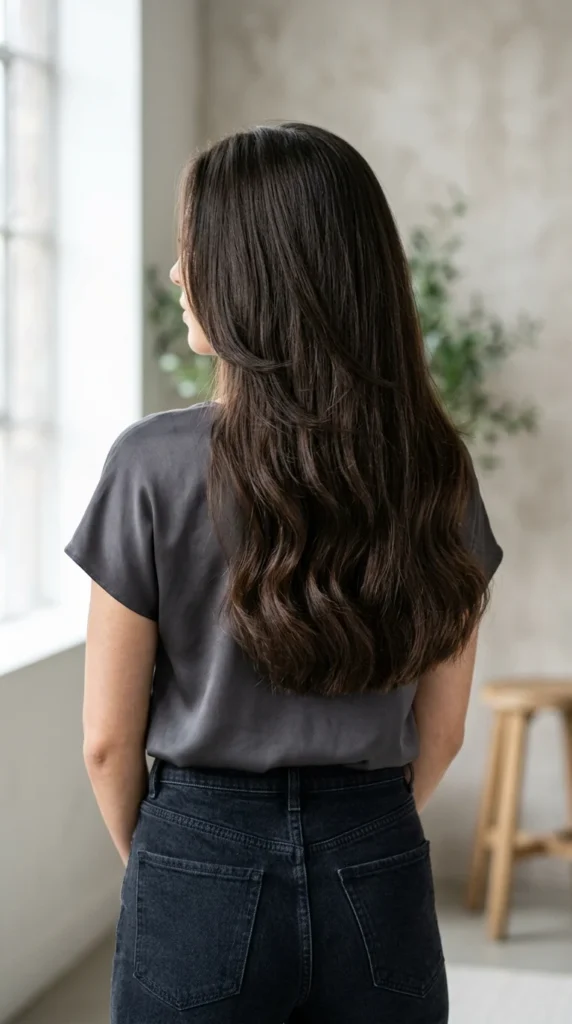
You don’t always have to go short to fix damage. If you have “V-shaped” or “U-shaped” hair that has become thin at the bottom, a session of long layers can help. By trimming the very ends and adding layers that start below the shoulders, you remove the “scraggly” bits that make long hair look unkempt.
14. Bixie Cut

The Bixie is the perfect “transition” cut. If you’re growing out a short cut but have some lingering damage from old color, the Bixie allows you to keep some shaggy length while the stylist crops out the problematic ends. It’s highly textured, which helps hide any unevenness as your hair heals.
15. Clavicut

The Clavicut is a “goldilocks” length—not too long, not too short. It sits right at the collarbone. This is a strategic length because it’s usually the point where hair starts to struggle with friction from clothes and bags. By cutting your hair to this length, you remove the most friction-prone damage and set yourself up for a healthy growth cycle.
16. Curve Cut (The “C” Cut)

The Curve Cut features layers that are rounded to frame the face in a “C” shape. This is an evolution of the “Rachel” cut. It’s excellent for removing damage because the layering is so consistent throughout the perimeter of the hair. It encourages the hair to flip inward, which hides the ends and protects them from further environmental damage.
17. Dusting

If you are absolutely terrified of losing length, “hair dusting” is the technique for you. It’s not so much a “style” as it is a maintenance cut. The stylist trims only the very tips of the hair—literally a few millimeters—and “searches and destroys” split ends along the hair shaft without changing the shape of your cut. It’s the best way to maintain health without anyone knowing you had a haircut.
How to Maintain Your New, Healthy Ends
Once you’ve made the cut, the goal is to keep those ends as healthy as possible for as long as possible. Follow these golden rules:
- Seal the Cuticle: Use a cold water rinse at the end of your shower to help close the hair cuticle.
- Heat Protection is Non-Negotiable: If you use a hair dryer or iron, always apply a high-quality heat protectant first.
- Microfiber Only: Swap your rough cotton towel for a microfiber hair wrap to reduce friction and breakage.
- Silk or Satin: Sleep on a silk pillowcase to prevent your ends from fraying against the fabric while you toss and turn.
- Regular Trims: Don’t wait for damage to reappear. Schedule a “dusting” or a trim every 8–12 weeks to keep your hair looking fresh and vibrant.