For years, the word “layers” conjured images of the early 2000s—shaggy, obvious steps that were impossible to hide. But the modern hair revolution has brought us “Invisible Layers,” also known as “Ghost Layers.” This technique involves cutting shorter pieces underneath the top section of the hair. The result? Incredible volume, movement, and texture without the visible “staircase” effect of traditional layering. Whether you have fine hair that needs a lift or thick hair that feels too heavy, invisible layers are the secret weapon for a flawless, effortless look.
1. Mid-Length Flow
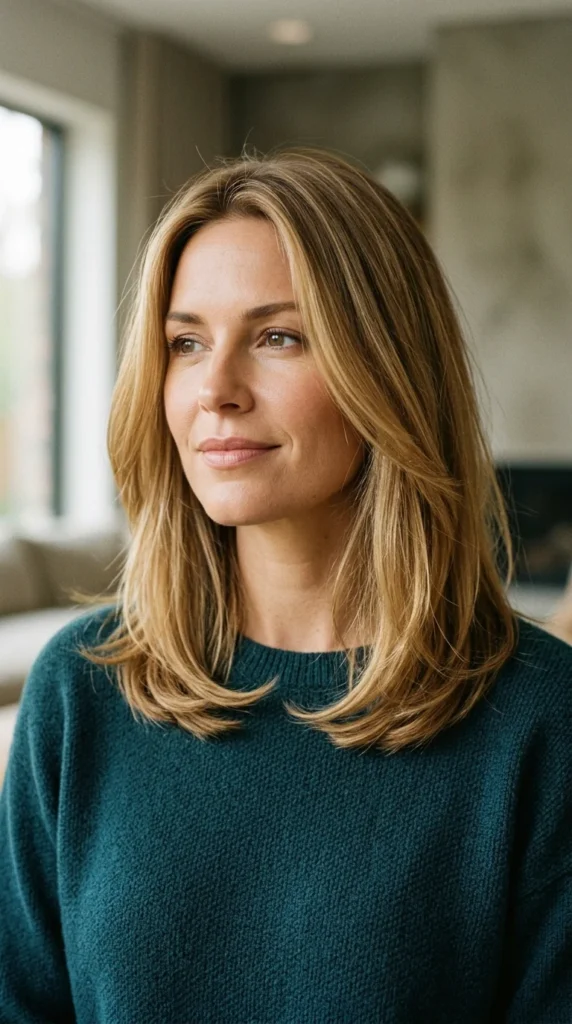
The mid-length flow is the gold standard for invisible layers. By tucking shorter strands beneath the mid-lengths, the hair gains a structural “shelf” that pushes the top layer upward. This creates a rounded, full appearance that looks like a professional blowout even when air-dried.
2. Blunt Lob
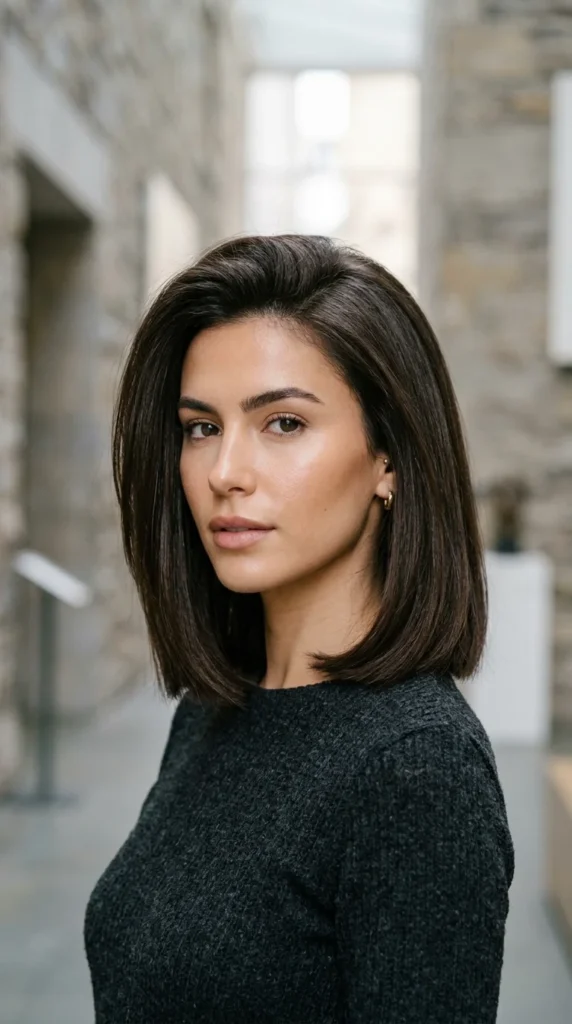
A blunt lob is iconic for its clean lines, but it can often fall flat. Invisible layers allow you to maintain that sharp, heavy perimeter while removing weight from the inside. This prevents the “triangle hair” effect and adds a sophisticated swing to the style.
3. Long Shag
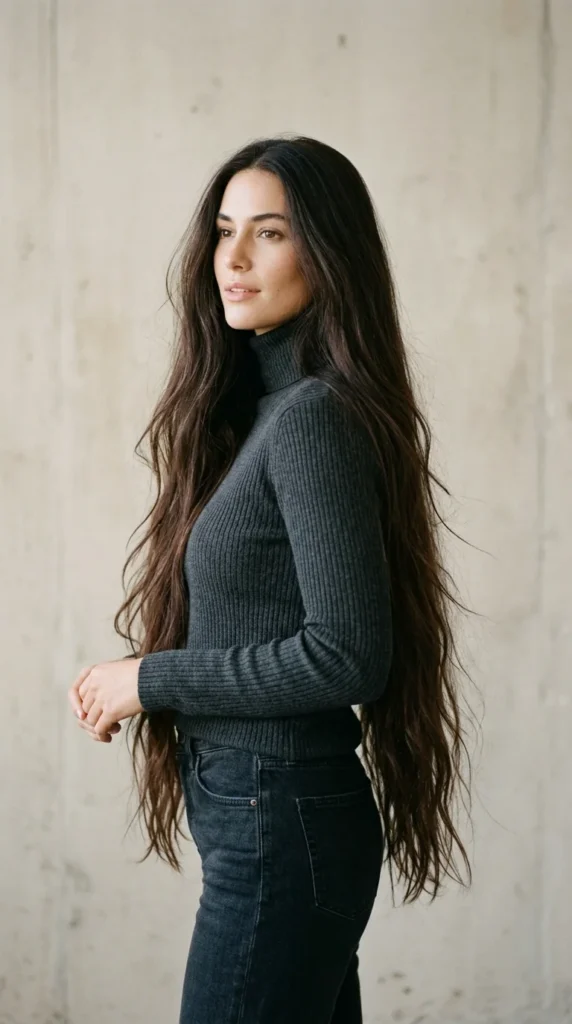
Long hair often gets weighed down by its own gravity. The “Ghost Shag” uses internal thinning and layering to create the illusion of a shag’s movement without the choppy exterior. It’s perfect for those who want to keep their length but hate the “flat on top” look.
4. Fine Hair Boost
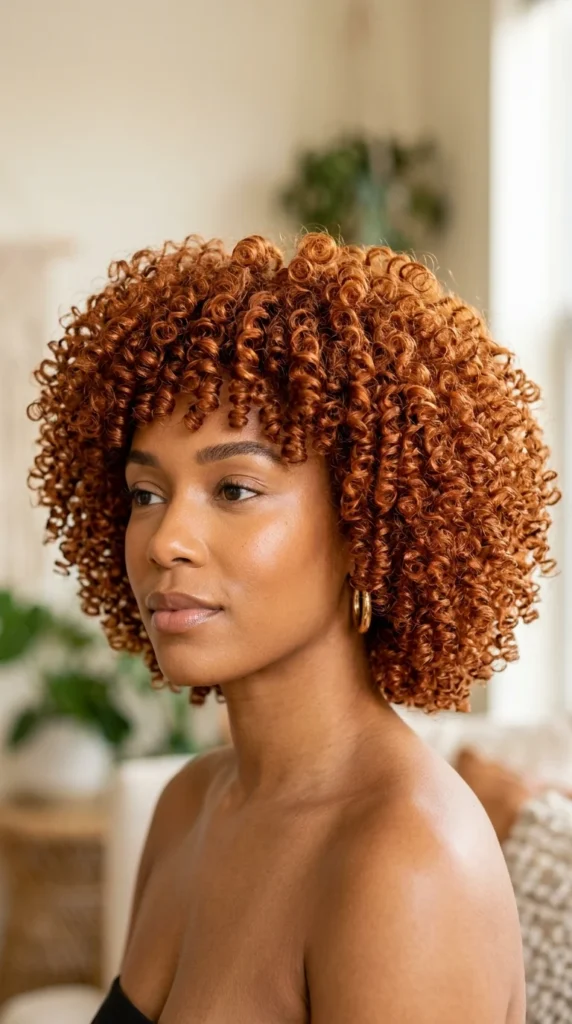
Fine hair is the biggest beneficiary of this technique. Traditional layers can sometimes make fine hair look thinner at the ends. Invisible layers, however, create a support system underneath, making the hair appear twice as thick as it actually is.
5. Curly Definition
Curls often need weight removal to prevent them from becoming bottom-heavy. By placing invisible layers strategically where the curls naturally turn, you can enhance their bounce and prevent the dreaded “pyramid” shape, giving the curls room to spring upward.
6. Straight Sleek
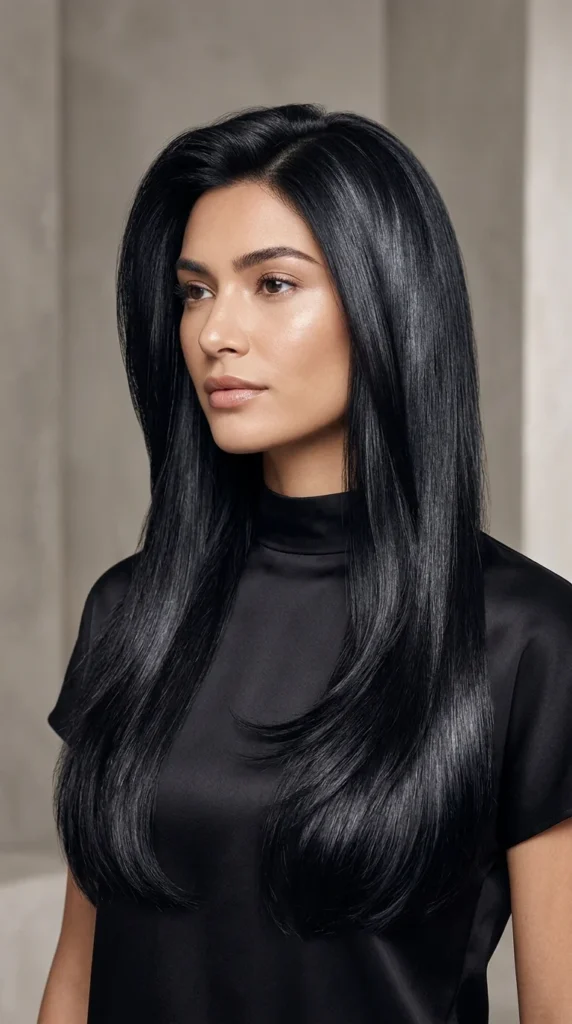
Even the sleekest, straightest hair benefits from hidden architecture. This style uses internal slicing to create a “C” shape in the hair’s silhouette. It ensures that straight hair moves with the body rather than hanging like a curtain.
7. Face-Framing Ghost
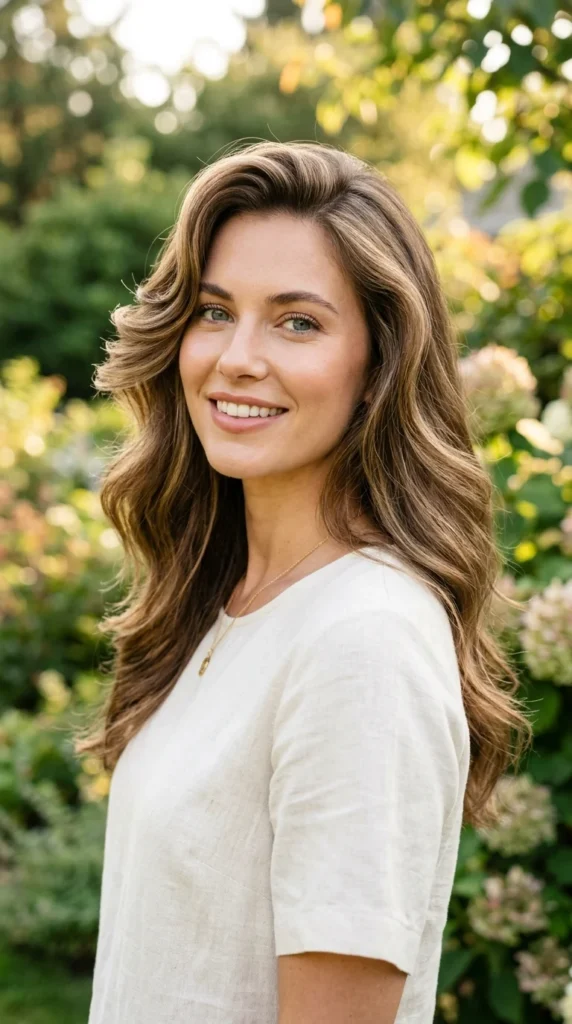
If you aren’t ready for a full head of layers, the face-framing ghost layer is ideal. These layers are hidden just behind the front-most strands, providing lift and a “curtain” effect that opens up the face without requiring a traditional fringe.
8. Choppy Ends
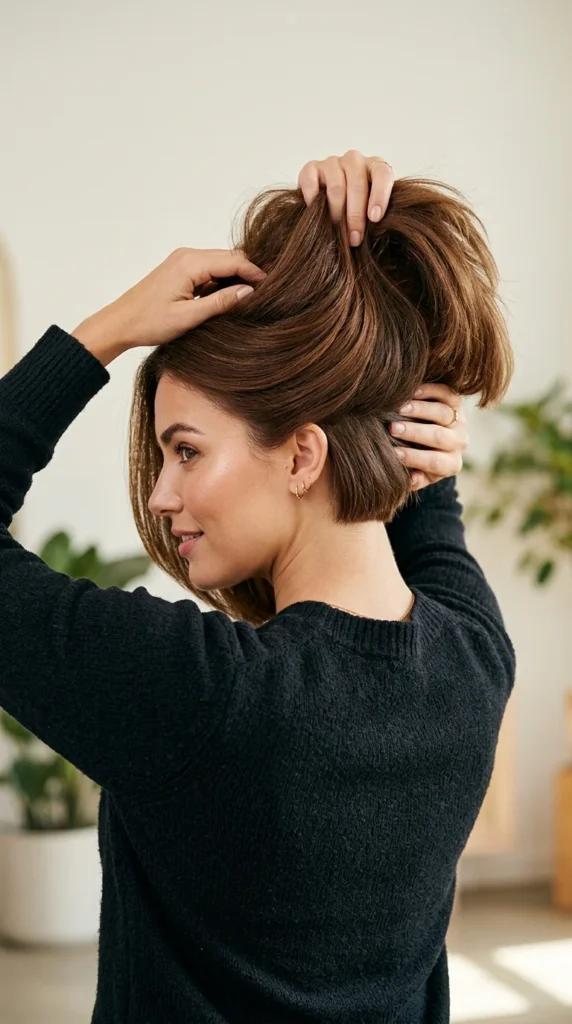
For a more modern, “cool-girl” vibe, invisible layers can be concentrated toward the bottom third of the hair. This creates a piecey, textured finish that looks great with sea salt spray or a light pomade.
9. Feathered Internal

Feathering is usually an external technique, but doing it internally creates a cloud-like softness. This is perfect for those with dense hair who want to feel “lighter” without sacrificing the appearance of a solid cut.
10. Heavy Density
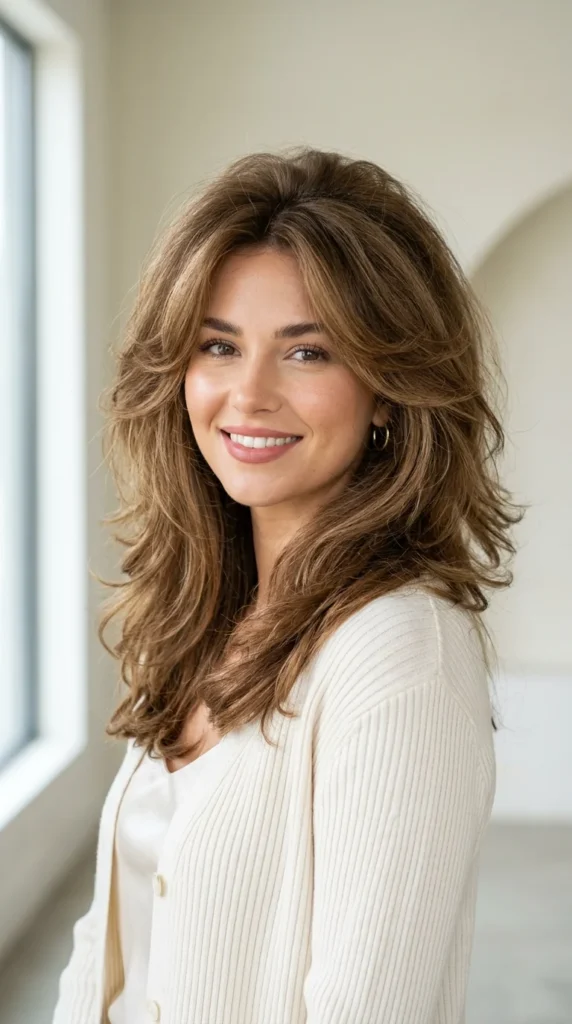
If you have a lot of hair, it can often feel like a burden. Invisible layers act as a weight-management system. By removing bulk from the interior, your hair becomes easier to style, dry, and manage, all while looking incredibly lush.
11. Curtain Bangs Pair
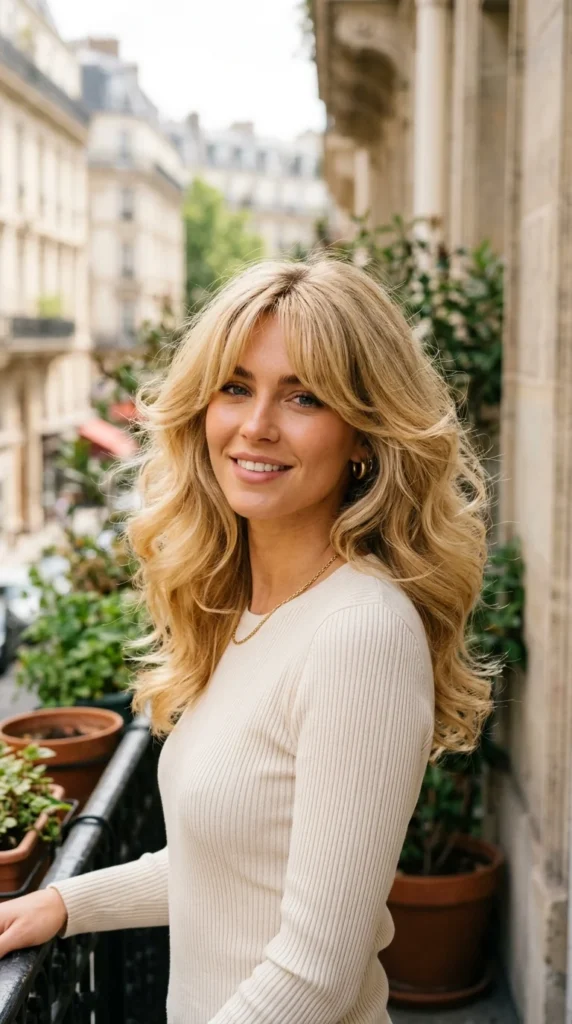
Invisible layers are the perfect partner for curtain bangs. They help the rest of the hair match the volume and movement of the fringe, ensuring the transition from the bangs to the lengths is seamless and full-bodied.
12. Tapered Back
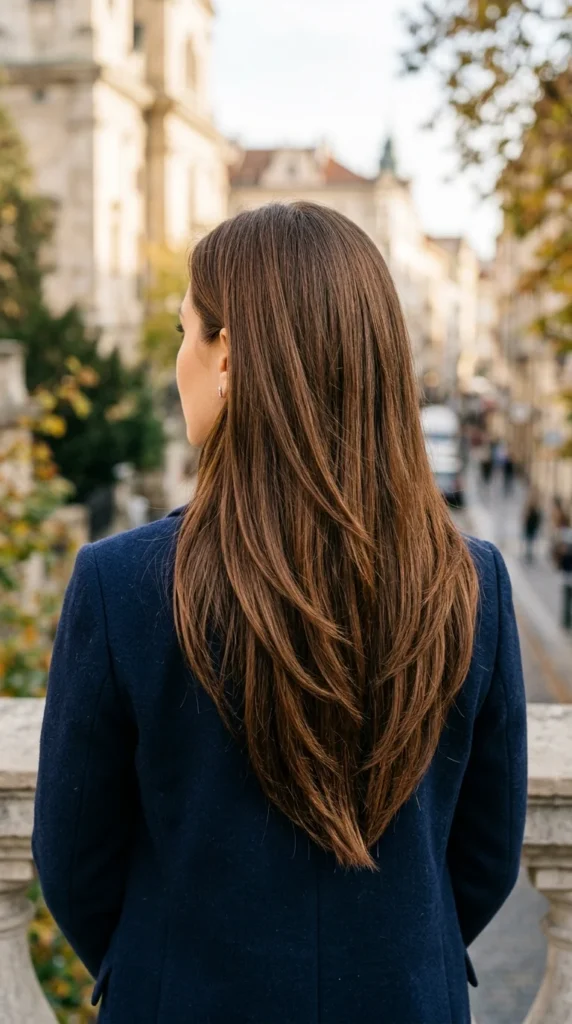
Adding invisible layers to a tapered or V-cut back adds a three-dimensional quality. As you walk, the hidden layers catch the air, making the hair look dynamic and “alive” rather than static.
13. Textured Bob
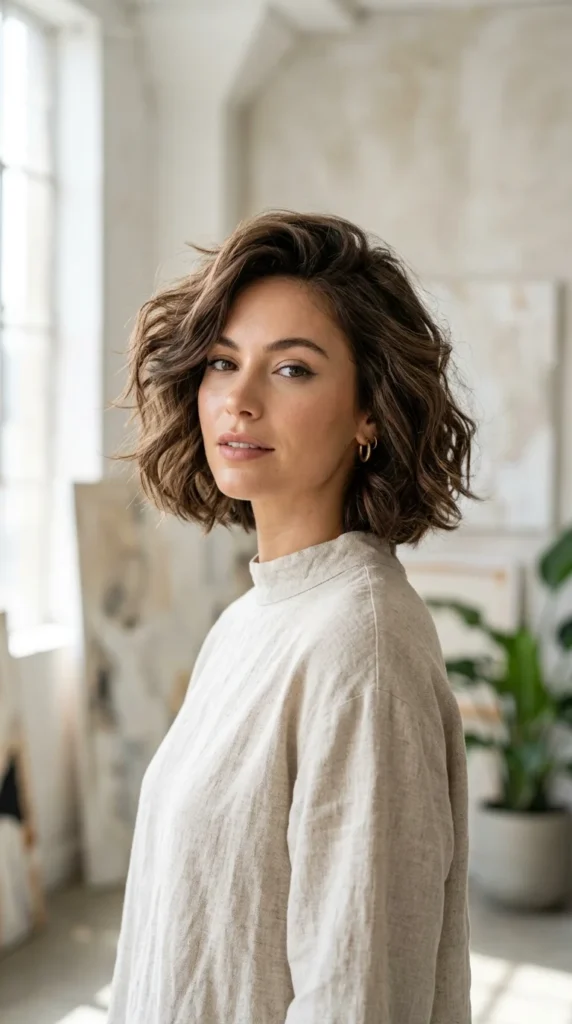
A textured bob with ghost layers is the ultimate chic haircut. It provides that “French girl” effortless volume. The hidden layers provide the “crunch” and structure needed to hold waves all day long.
14. Wavy Dimension
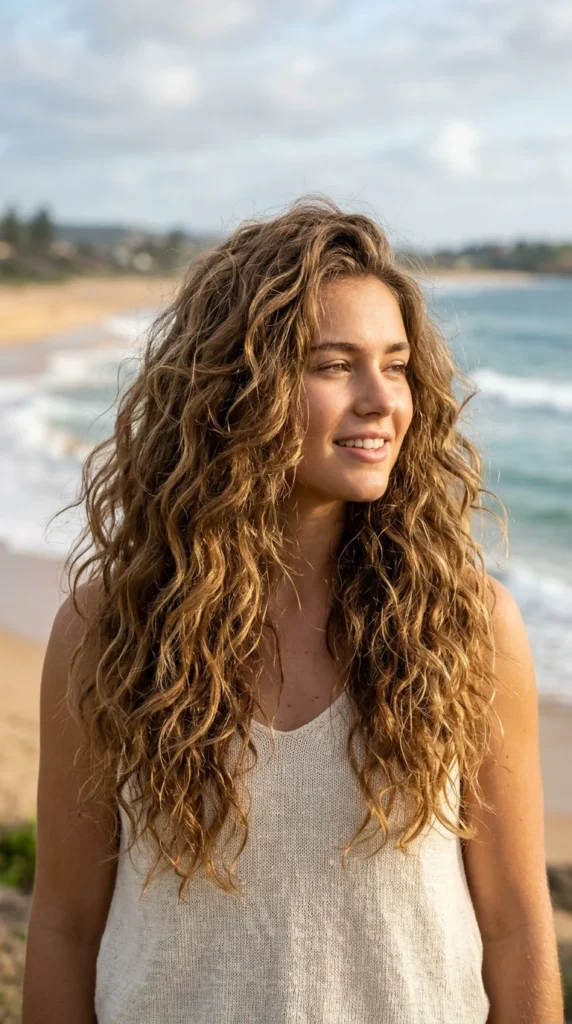
Waves can sometimes clump together and look flat. Invisible layers separate the waves from the inside out, allowing light to pass through and creating a multi-dimensional look that emphasizes your natural or styled texture.
15. Hidden Undercut
For extreme volume, a “hidden undercut” uses very short invisible layers at the base of the head. This acts as a literal pillar for the rest of the hair to sit on, creating massive height at the crown.
16. Soft Pixie
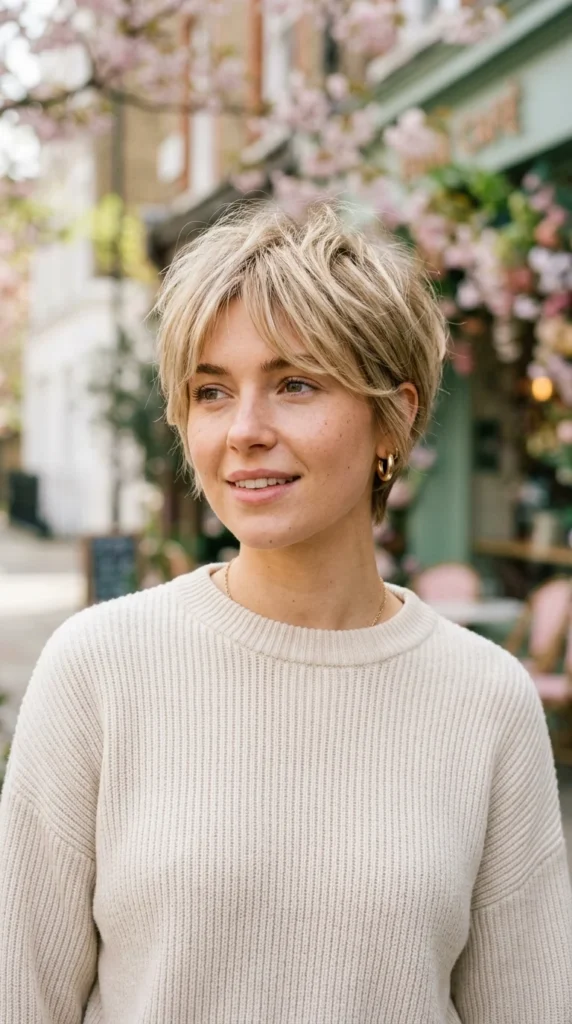
Even short hair benefits from the “invisible” philosophy. By layering the interior of a long pixie, you can avoid the “helmet hair” look and instead achieve a soft, wispy aesthetic that is easy to style with just a bit of wax.
17. Bottleneck Layers
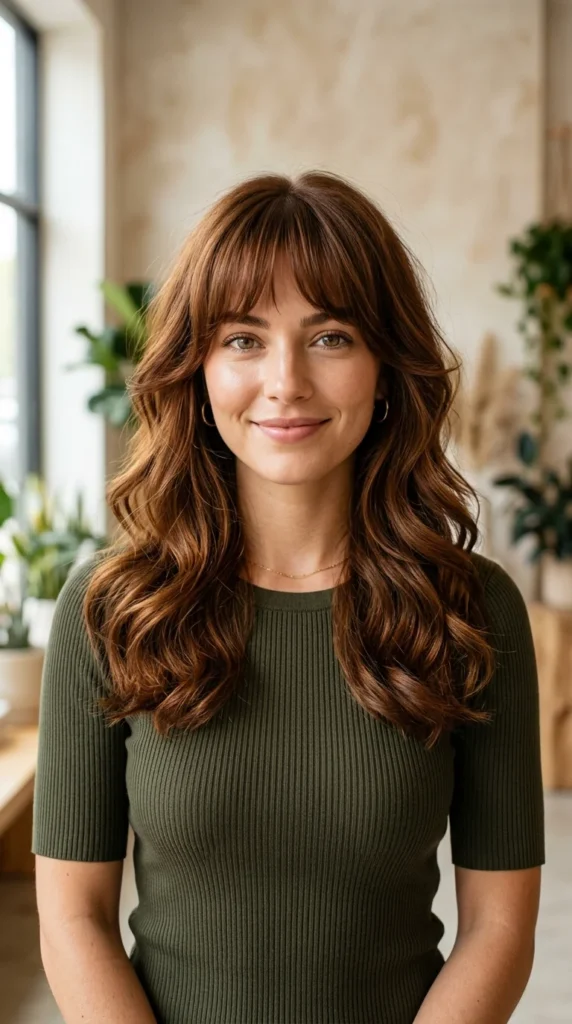
Bottleneck layers follow the shape of the popular bangs trend—narrower at the top and flaring out. The internal layers are placed at the jawline to encourage the hair to “kick out” and create a beautiful silhouette.
18. Voluminous Blowout
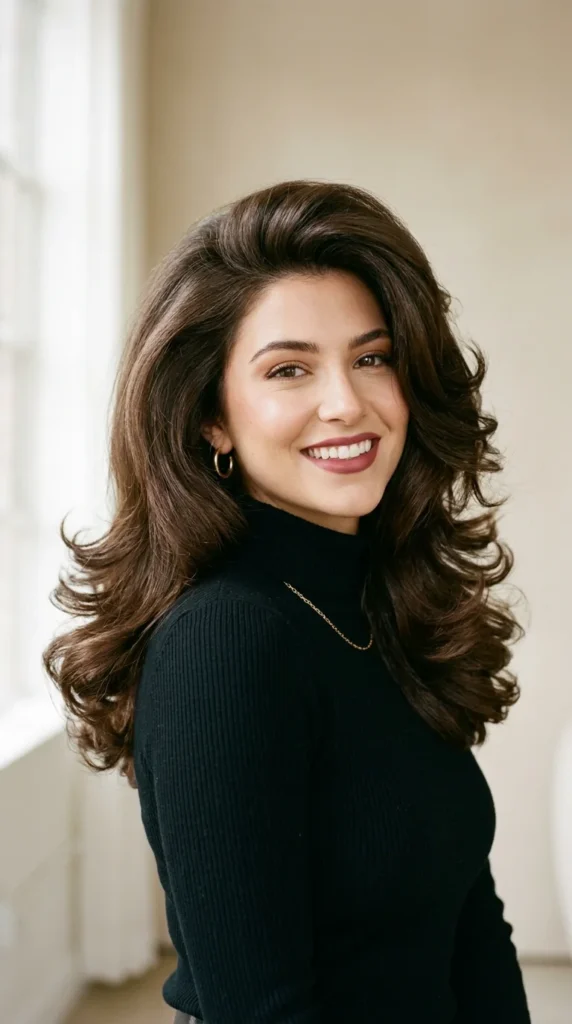
The secret to those “supermodel blowouts” isn’t just the round brush; it’s the invisible layers. These layers provide the necessary “grip” for the brush and the structural integrity to keep the volume from falling flat after an hour.
19. Beachy Waves
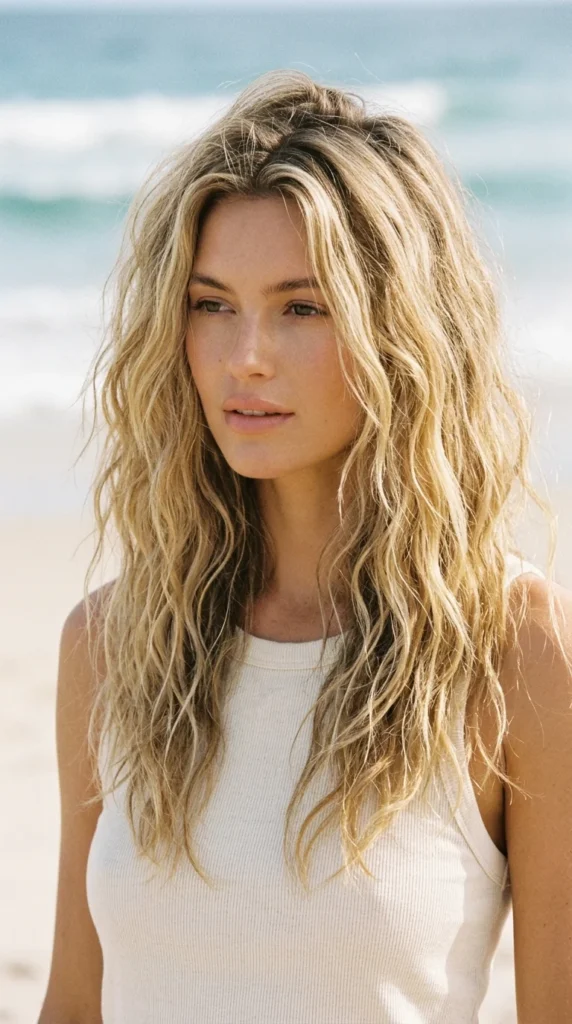
To get the perfect beachy texture, you need internal space. Invisible layers create “pockets” of air within the hair, which helps texturizing sprays work more effectively for that gritty, voluminous finish.
20. Asymmetrical Cut
Asymmetrical cuts can often look lopsided in terms of volume. By using invisible layers on the longer side, you can balance the “visual weight” of the hair, making the style look intentional and high-fashion.
21. Shoulder-Length Bounce
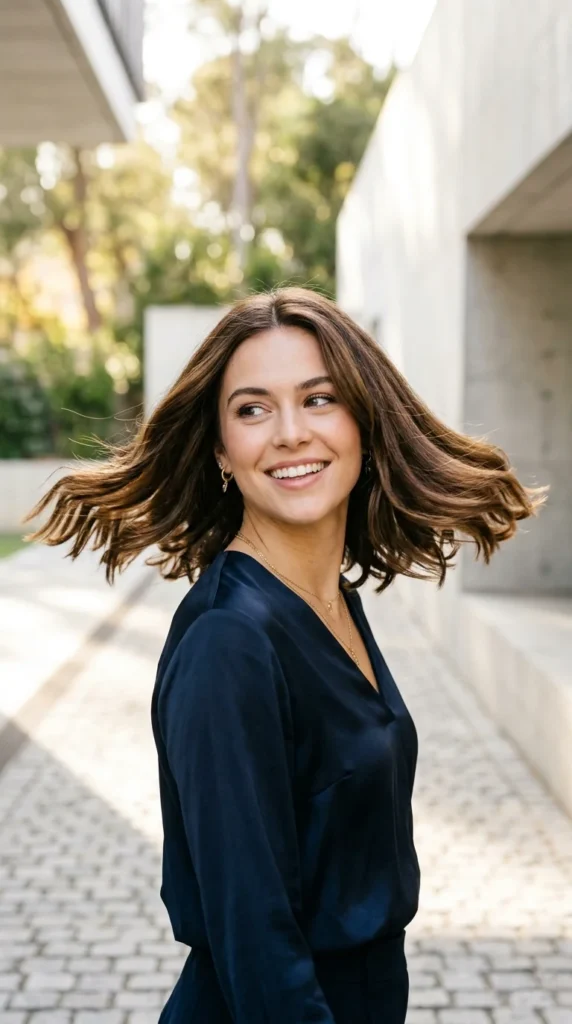
Shoulder-length hair often “flicks” out when it hits the shoulders. Invisible layers lean into this movement, using the shoulder as a springboard to create a bouncy, energetic look that is perfect for everyday wear.
22. Polished Professional
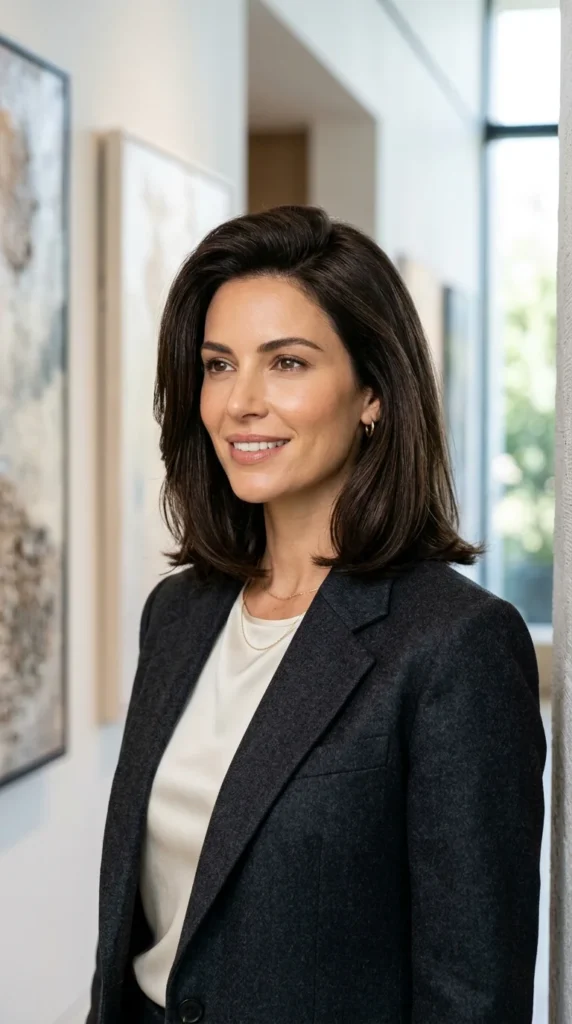
For a professional setting, you might want volume without the “messy” look. Invisible layers provide that internal lift while keeping the outer cuticle smooth and polished, giving you a powerful, “done” appearance.
23. Bohemian Vibes
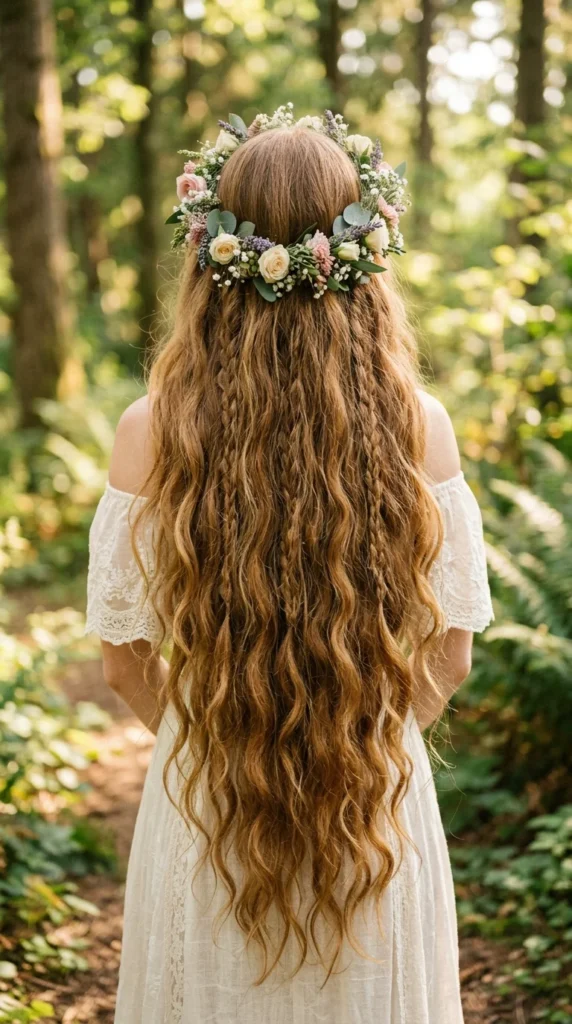
The “Boho” look relies on hair looking natural and abundant. Ghost layers allow you to maintain the “one-length” look typical of Bohemian styles while adding the necessary volume to make the hair look majestic and wild.
24. 90s Internal Layers
The 90s were all about “fluff.” By focusing invisible layers around the crown and the mid-shaft, you can recreate that soft, cloud-like volume that defined an era, but with a modern, more blended finish.
25. Micro-Internal Layers
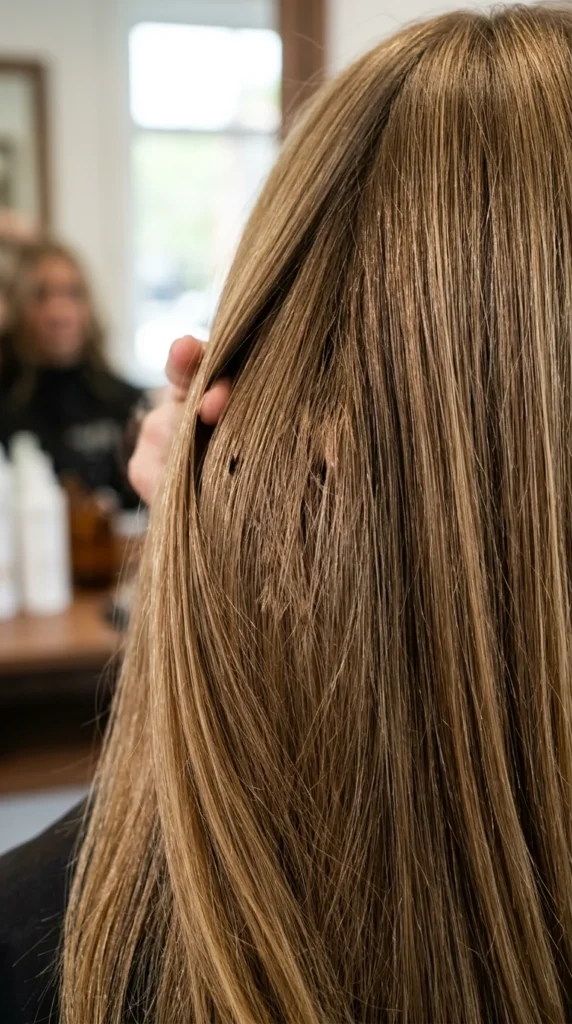
Micro-layering is the most subtle version of this trend. It involves tiny snips throughout the head to “plump” the hair. It’s the hair equivalent of “no-makeup” makeup—no one can tell what you’ve done, but you look significantly better.