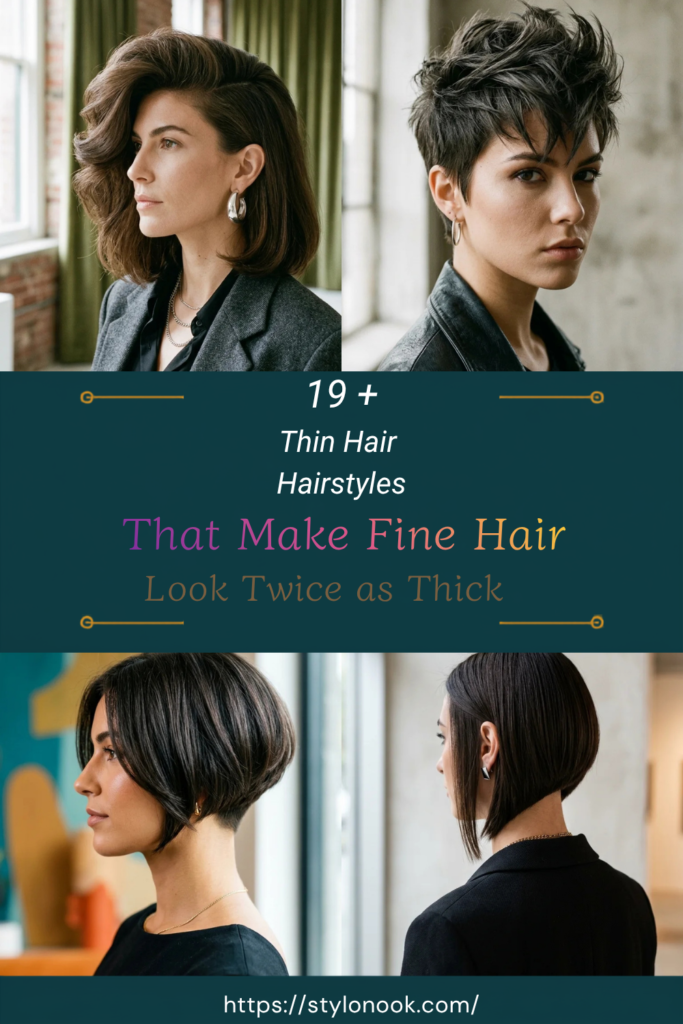

If you’ve spent your life battling limp, flat strands that refuse to hold a curl or seem to disappear the moment you put them in a ponytail, you aren’t alone. Thin or fine hair can often feel like a styling limitation, but the truth is that the right cut can act as a high-definition filter for your mane. By strategically using angles, layers, and weight distribution, you can create the optical illusion of density where there once was none.
Forget the idea that you have to keep your hair short to make it look full. From clever updos to modern takes on classic bobs, there are dozens of ways to manipulate your hair’s natural texture to achieve maximum volume. Here are 19+ transformative hairstyles designed specifically to make fine hair look twice as thick.
1. Blunt Bob
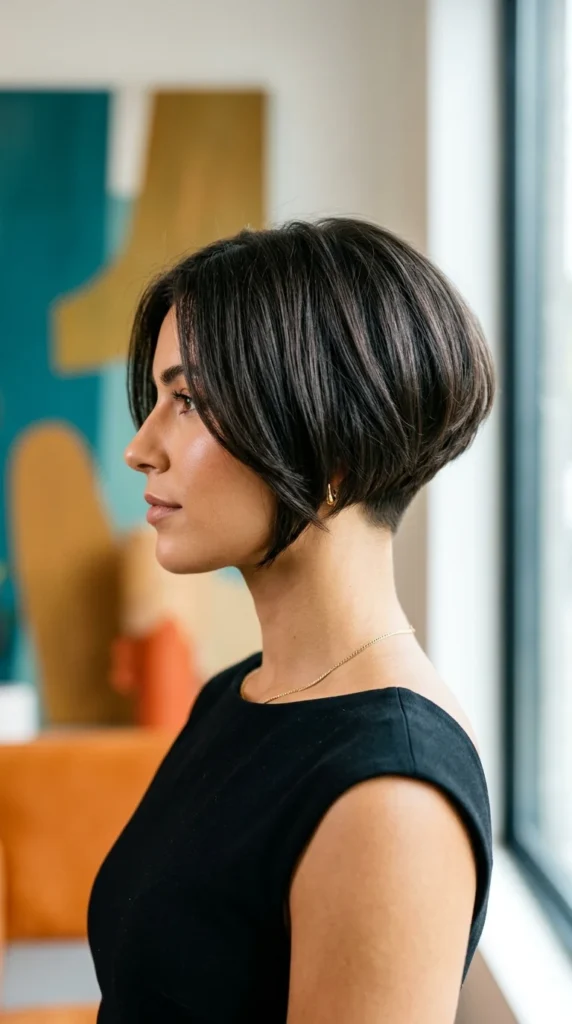
The blunt bob is the gold standard for thin hair. By cutting all the hair to a single length at the bottom, you create a solid “weight line” that makes the ends appear much fuller than they actually are. Unlike layered cuts that can make the bottom of your hair look “see-through,” the bluntness provides an immediate boost in perceived density.
2. Textured Pixie
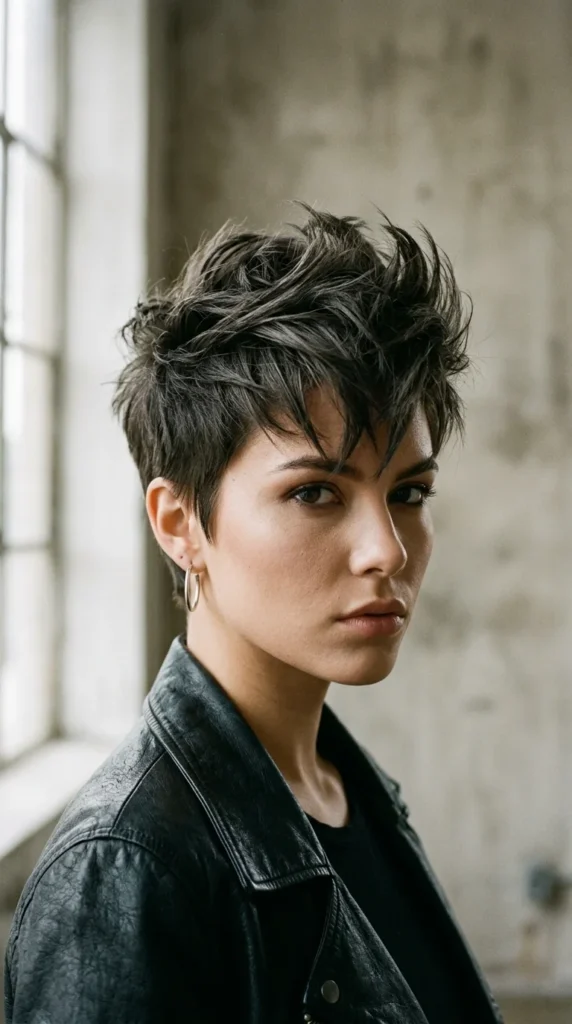
Short hair is naturally lighter, which means it isn’t weighed down by its own gravity. A textured pixie uses short, choppy layers to create movement and lift. By focusing the volume at the crown, the hair looks thicker and more energetic, drawing the eye upward away from any thinning areas.
3. Deep Side Part
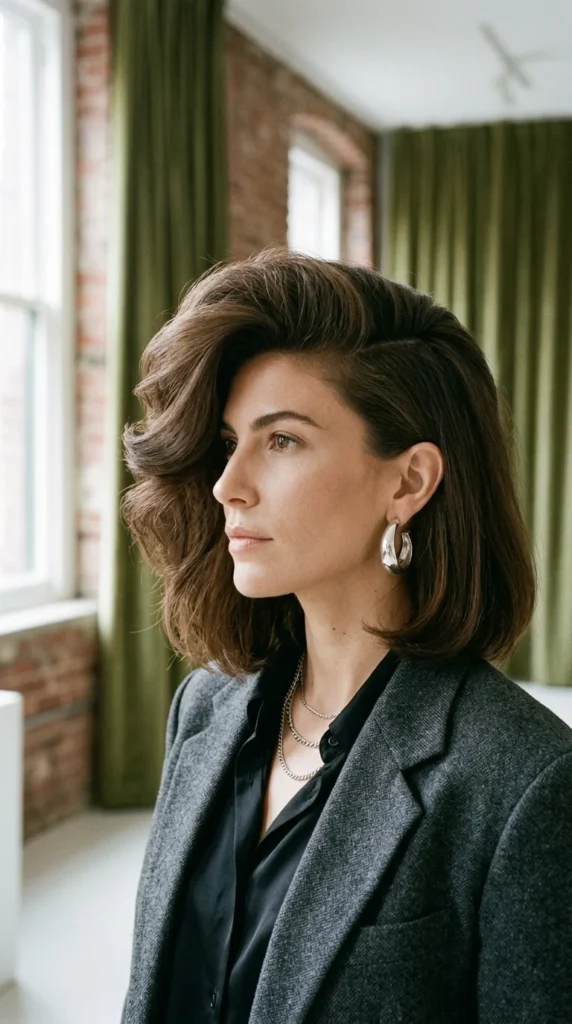
One of the easiest ways to fake thickness is by changing your part. A deep side part gathers a large section of hair on one side of the head, creating an instant “pouf” of volume. This sudden shift in weight prevents the hair from lying flat against the scalp and gives the appearance of a much fuller head of hair.
4. Curtain Bangs
Curtain bangs are a miracle worker for thin hair because they add volume right at the face-frame. These bangs are shorter in the middle and longer on the sides, creating a “wing” effect that adds dimension and prevents the front of your hair from looking thin or stringy.
5. Layered Lob
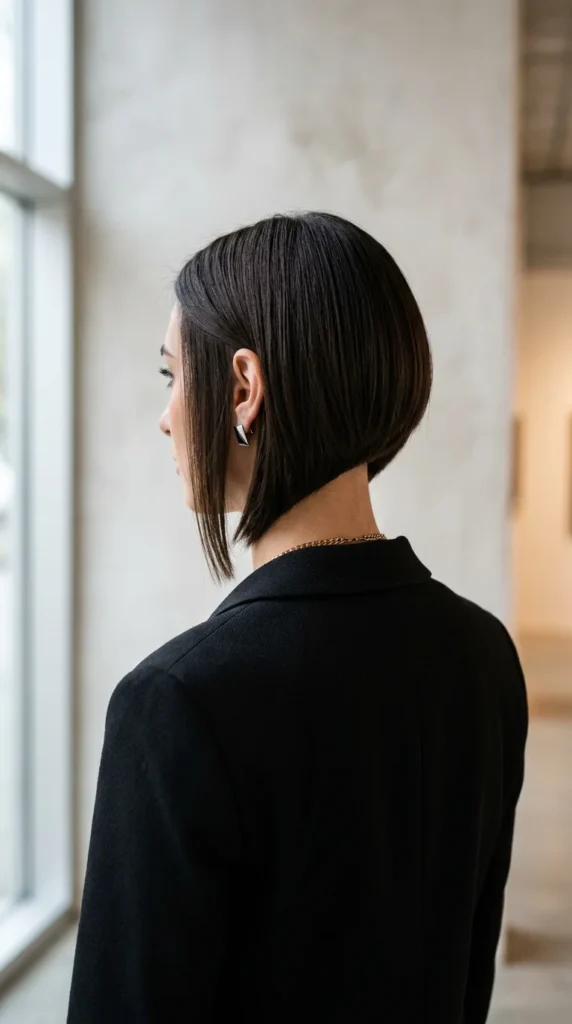
The “Lob” (long bob) is the perfect middle ground for those who want length without the limpness. Adding internal layers—layers hidden underneath the top section—provides structural support, pushing the top hair up and out to create a wider, thicker silhouette.
6. Shoulder Shag
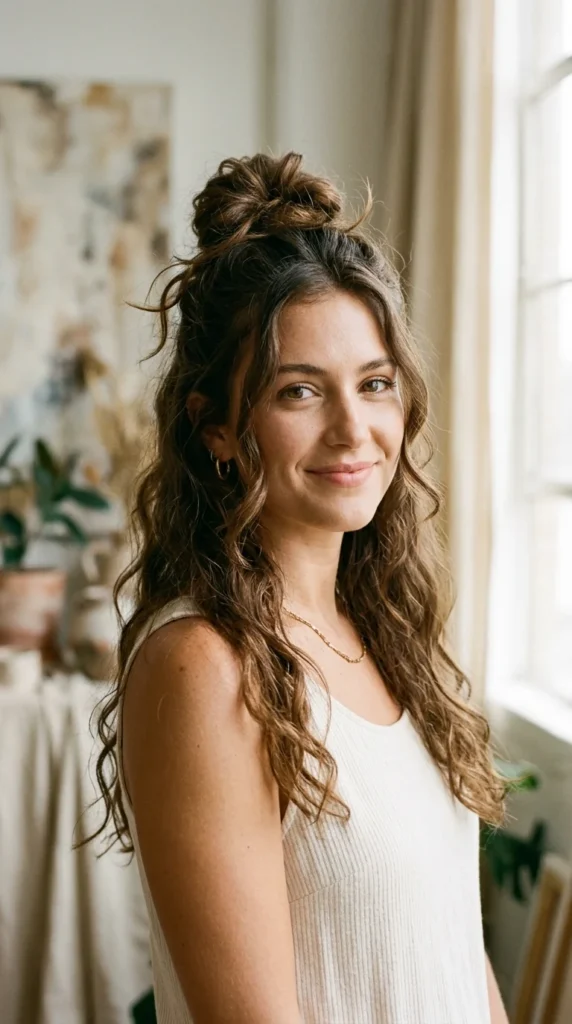
The modern shag is all about texture and “organized chaos.” By incorporating a multitude of layers throughout the head, you break up the flat surface of the hair. This creates air pockets between the strands, making the overall profile of your hair look significantly larger.
7. Blunt Bangs
A heavy, blunt fringe takes a significant portion of hair from the crown and brings it forward. This creates a dense wall of hair at the front of your face. Because the bangs are cut straight across, they appear thick and healthy, distracting from any thinness in the lengths.
8. Wispy Layers
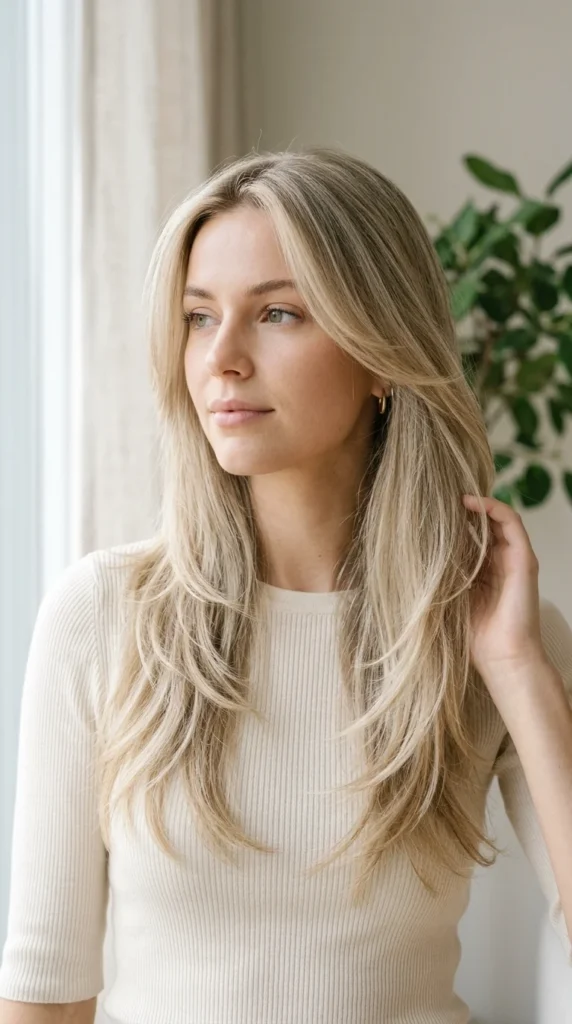
If you insist on keeping your hair long, wispy layers are your best friend. Instead of heavy layers that can make the bottom look thin, wispy, feathered ends add a soft texture that keeps the hair from looking like a flat curtain. It adds just enough “fuzziness” to the edges to imply thickness.
9. Polished Chignon
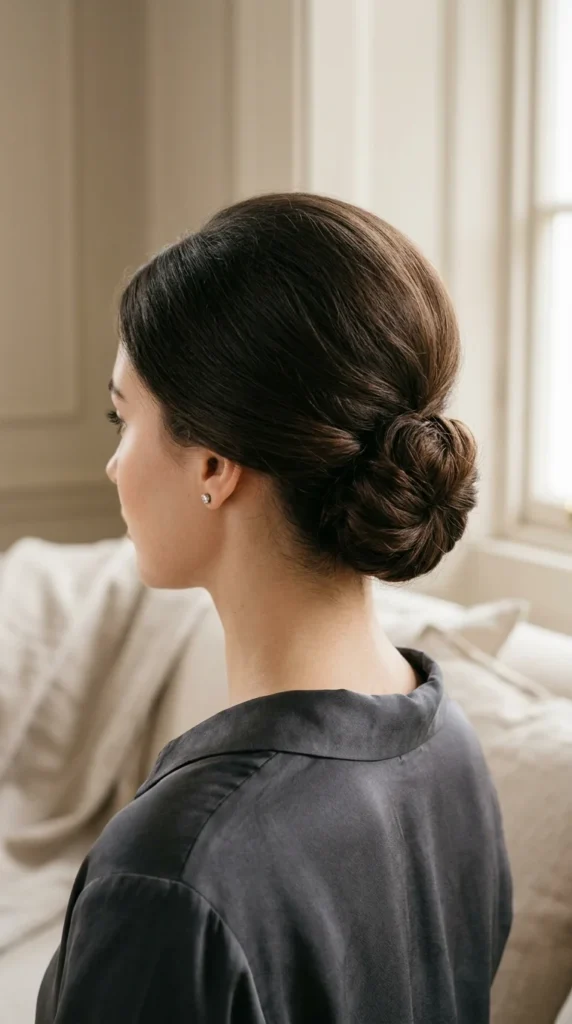
For formal occasions, a polished chignon is a great choice. By slightly backcombing (teasing) the roots before pulling the hair back, you create a foundation of volume. The bun itself can be “pancaked”—pulled apart slightly—to make the actual knot of hair look much larger and more substantial.
10. Half-Up Top Knot
The half-up top knot serves a dual purpose: the “knot” on top creates height and volume at the crown, while the hair left down covers the back and sides. This makes it look like you have so much hair that you couldn’t possibly fit it all into one bun.
11. Messy Bun
Tight, slicked-back buns are the enemy of thin hair as they highlight the scalp. Instead, go for a “messy” bun. By pulling the hair loosely and tugging at the loops of the bun, you create a voluminous shape that suggests a much thicker ponytail base than you actually have.
12. Braided Headband
Braids are excellent for thin hair if you use the “pancaking” technique. Once the braid is finished, gently pull at the outer edges of each loop. This flattens and widens the braid, making it look three times its original size. A braided headband adds a thick, architectural element to the top of your head.
13. Hollywood Waves
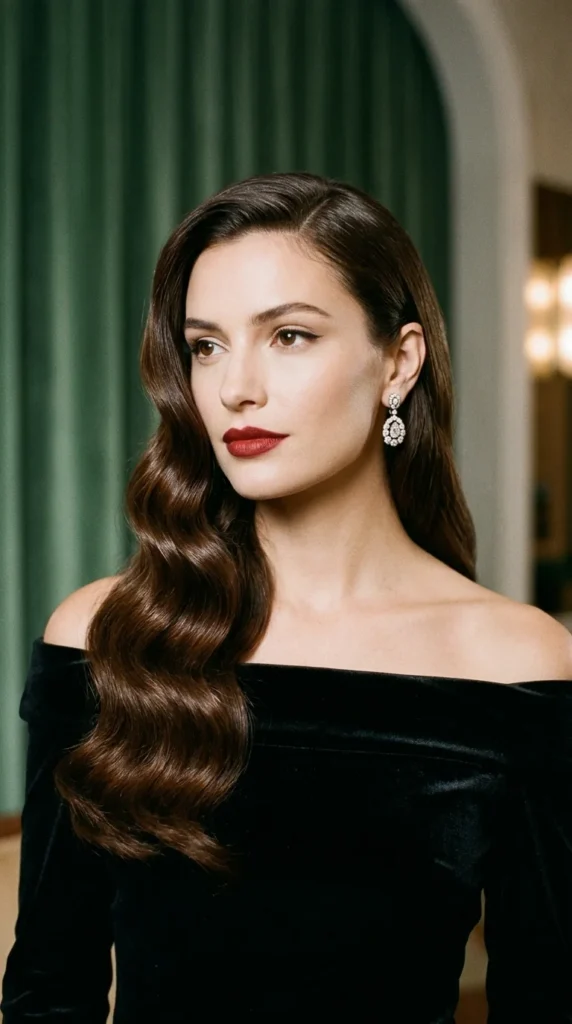
Structure is key for thin hair. Hollywood waves are created by curling the hair in the same direction and then brushing it out into a singular, cohesive wave. This prevents the hair from separating into individual “stringy” curls and instead creates one thick, undulating mass of hair.
14. Asymmetrical Bob
Asymmetry creates visual interest and pulls the eye across the hair rather than down. The uneven lengths allow for more volume on the longer side, and the dramatic angle at the back helps the hair “stack” on itself, creating a denser profile.
15. Slicked Back
While it sounds counterintuitive, a “wet look” or slicked-back style can work if you focus on root lift. By using a volumizing mousse and blow-drying the hair up and back before applying gel, you create a “wall” of hair that looks intentional and high-fashion, rather than thin.
16. Stacked Bob
The stacked bob is the ultimate volume-builder. The short layers at the back act as a pedestal, literally propping up the longer layers on top. This creates a permanent “bump” of volume at the back of the head that won’t fall flat throughout the day.
17. Bottleneck Bangs
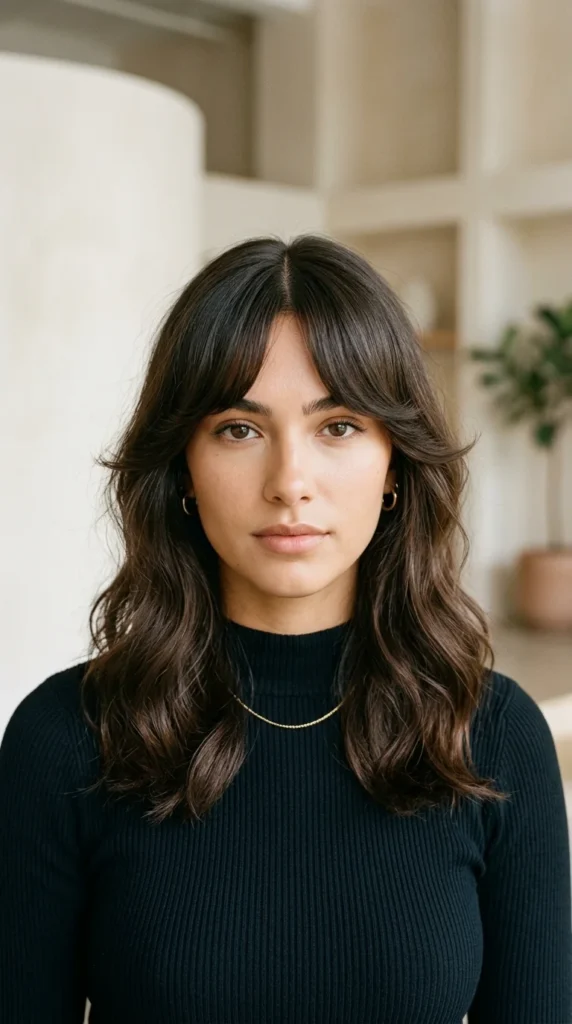
A variation of curtain bangs, bottleneck bangs are narrower at the top and wider at the cheekbones. This specific shape adds curves to the face-framing sections of your hair, which breaks up the straight lines of thin hair and adds much-needed “fullness” around the eyes and cheeks.
18. Face-Framing Bits
Leaving “bits” out when you tie your hair back is a classic trick. It softens the hairline and hides the temples, which are often the thinnest areas for many people. By curling these sections, you add width to the face and the illusion of a fuller head of hair.
19. Undercut Pixie
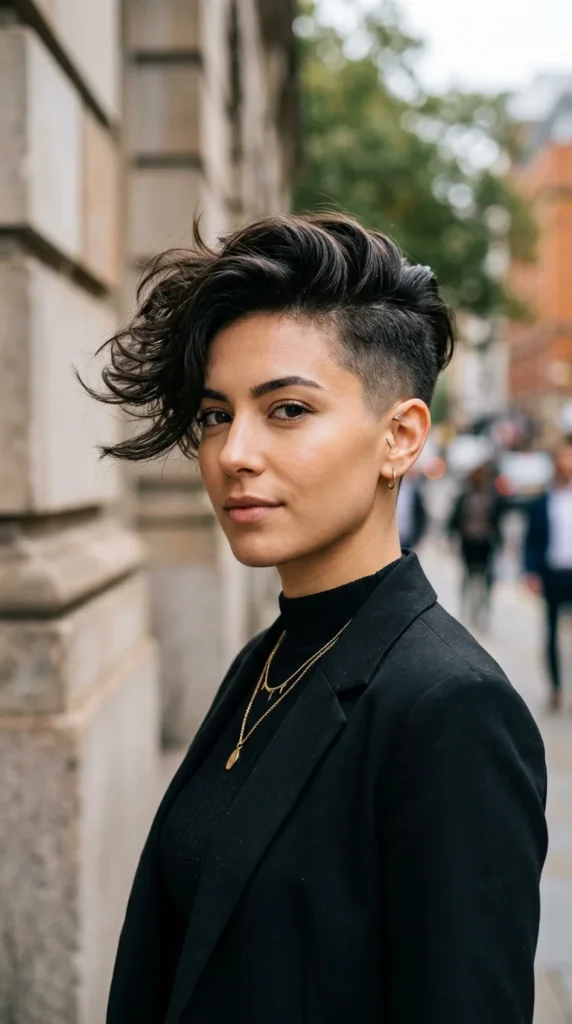
By removing the hair on the sides and back (the undercut), the remaining hair on top becomes the sole focus. Because there is such a sharp contrast between the shaved areas and the longer top, the top section looks exponentially thicker and more dramatic by comparison.
20. Balayage Highlights
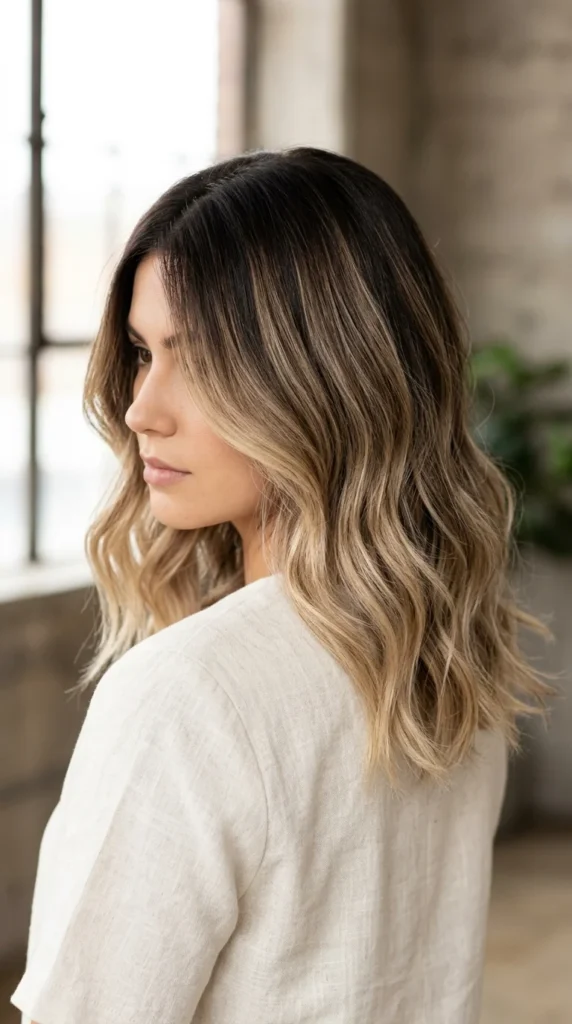
While not technically a “cut,” a balayage color job is a styling essential for thin hair. By creating “shadows” at the roots with a darker color and “light” at the ends, you create three-dimensional depth. This depth tricks the eye into thinking there are more layers of hair than there actually are.
How to Maintain the Illusion of Thickness
Choosing the right cut is 80% of the battle, but how you care for it daily determines the final result. Here are three quick tips to keep your fine hair looking twice as thick:
- Avoid Heavy Oils: Products with high silicone or heavy oil content will coat the hair and weigh it down, making even the best haircut look flat. Stick to lightweight mousses and volumizing sprays.
- Blow-Dry Upside Down: Gravity is your enemy. By drying your hair upside down, you force the roots to dry in an upward position, providing natural lift that lasts.
- The Power of Dry Shampoo: Don’t wait until your hair is oily to use dry shampoo. Apply it to clean, dry hair to add “grit” and texture. This grit keeps the strands from sliding against each other, helping the hair maintain its shape and volume.