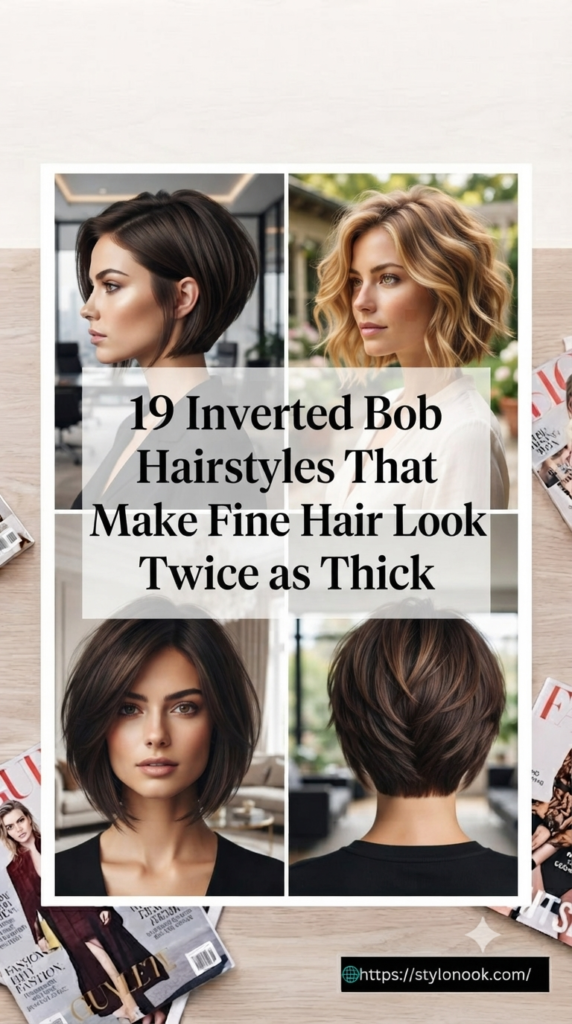

The struggle with fine hair is real. You spend hours blow-drying, backcombing, and dousing your roots in dry shampoo, only for your hair to fall flat by noon. But what if the secret to voluminous hair wasn’t found in a bottle, but at the end of a pair of shears? Enter the inverted bob—the ultimate “optical illusion” haircut for anyone dealing with thin or fine strands.
An inverted bob, characterized by shorter layers at the back and longer sections in the front, utilizes graduation to create a built-in shelf of volume. By removing weight from the nape and stacking the hair at the crown, your hair naturally pushes upward, giving the appearance of density and movement that flat-cut styles simply can’t achieve. If you are ready to transform your look, here are 19 inverted bob variations that will make your fine hair look twice as thick.
1. Stacked Layers
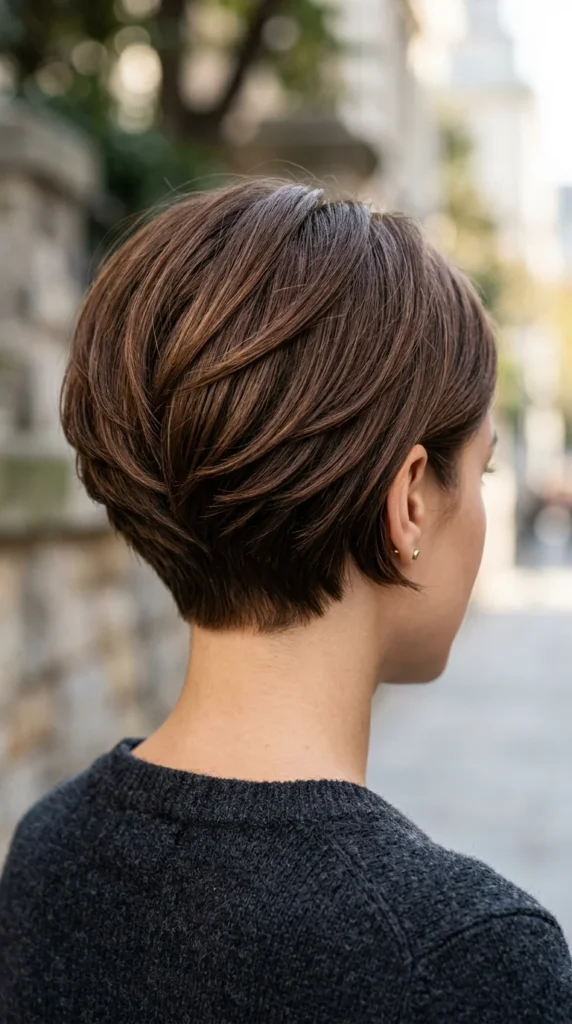
The classic stacked inverted bob is the gold standard for adding volume. By cutting the hair at a sharp angle at the nape of the neck, the stylist creates a “stack” of hair. Each layer supports the one above it, literally propping the hair up. This creates a rounded, full shape at the back of the head, making even the thinnest hair look dense and bouncy.
2. Choppy Ends

If you want volume without the prim and proper look, choppy ends are your best friend. Instead of a clean, blunt line, the ends are point-cut to create texture. This “lived-in” feel breaks up the light, preventing the hair from looking like one flat sheet. The jaggedness adds a visual “fuzziness” that mimics the look of thicker hair.
3. Blunt Front
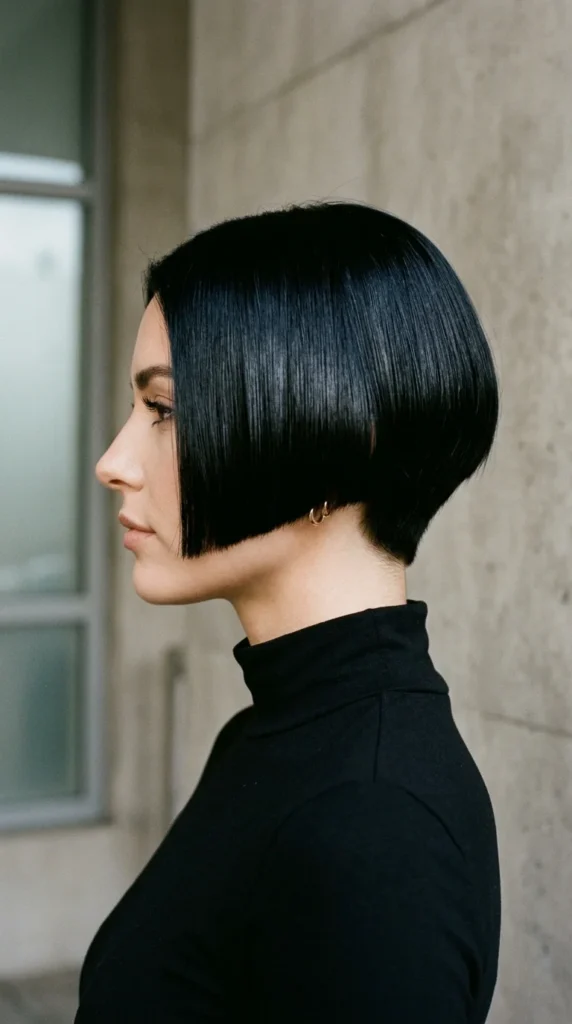
While the back is all about layers, keeping the front pieces blunt can actually help fine hair look thicker. When the hair that frames your face has a solid, thick perimeter, it creates a “frame” that looks substantial. This contrast between the voluminous, stacked back and the heavy, blunt front gives the illusion of a much fuller head of hair.
4. Wispy Fringe

Adding a fringe to an inverted bob can shift the focus and add another layer of dimension. Wispy bangs, specifically, work well for fine hair because they don’t take too much density away from the rest of the style. They add “height” to the face and create a multi-dimensional look that distracts from any thinning at the temples.
5. Angled A-Line
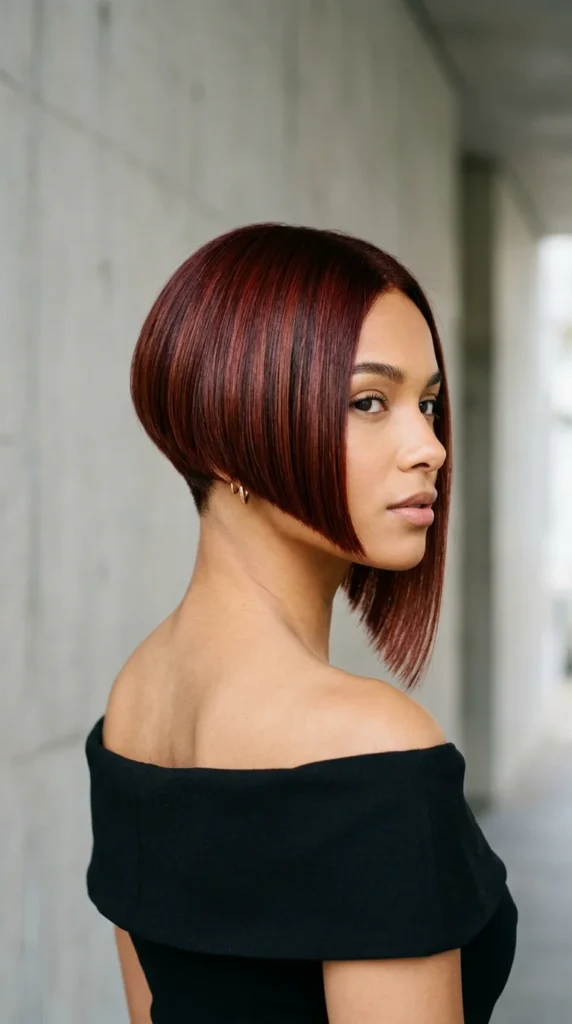
The dramatic angle of an A-line inverted bob draws the eye downward and forward. By concentrating the length in the front, you keep the weight where it’s most visible. The steep slope from back to front creates a sense of “growth” and abundance, making the hair appear much longer and thicker than it actually is.
6. Side-Swept Bangs
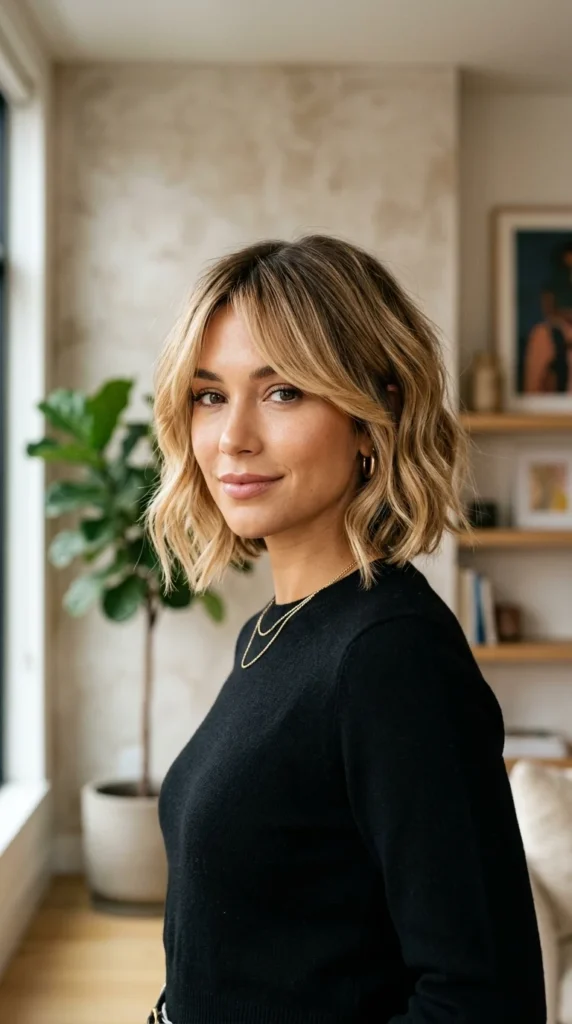
A deep side part coupled with side-swept bangs is a classic volume hack. By pushing the majority of your hair to one side, you create an instant “lift” at the root. When integrated into an inverted bob, these bangs add bulk to the front sections, which are often the areas where fine hair looks the thinnest.
7. Micro-Bob
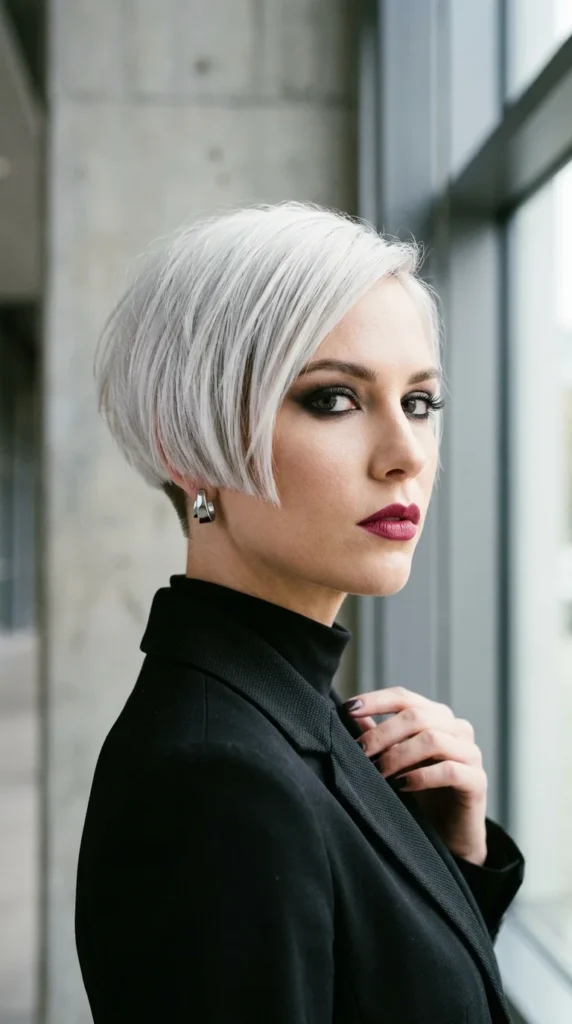
Sometimes, less is more. A micro-inverted bob removes all the dead weight that pulls fine hair down. By keeping the length extremely short, the hair has less gravity to contend with, allowing the natural body of the hair to shine. This look is chic, high-fashion, and incredibly easy to volumize with just a bit of mousse.
8. Wavy Texture
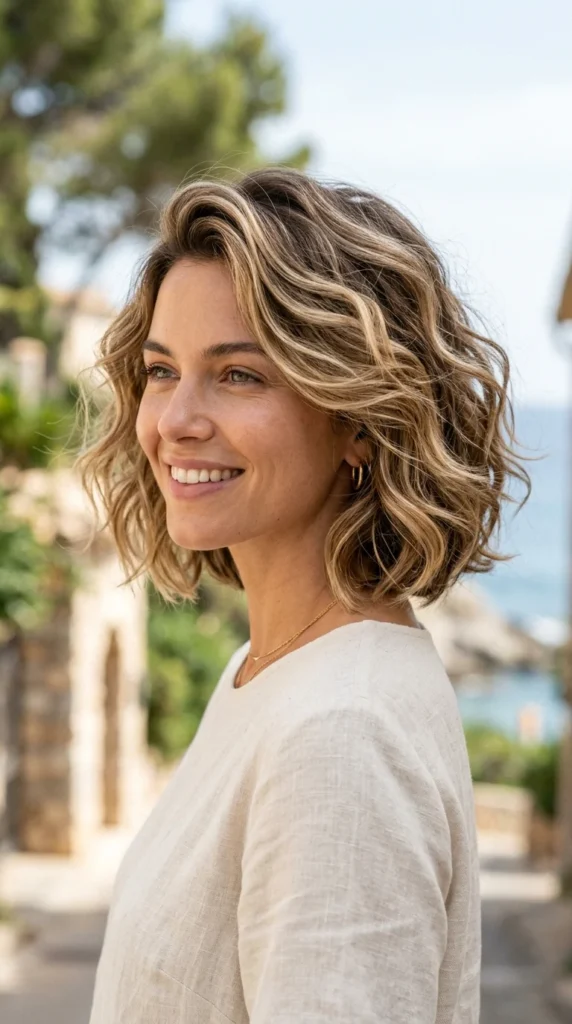
Straight hair can often look “stringy” if it’s fine. Introducing waves to an inverted bob is the fastest way to double its visual volume. The curves of the waves create space between the strands, filling out the silhouette. Using a sea salt spray or a large-barrel curling iron on an inverted cut maximizes the “stack” at the back for a 360-degree full look.
9. Sleek Finish
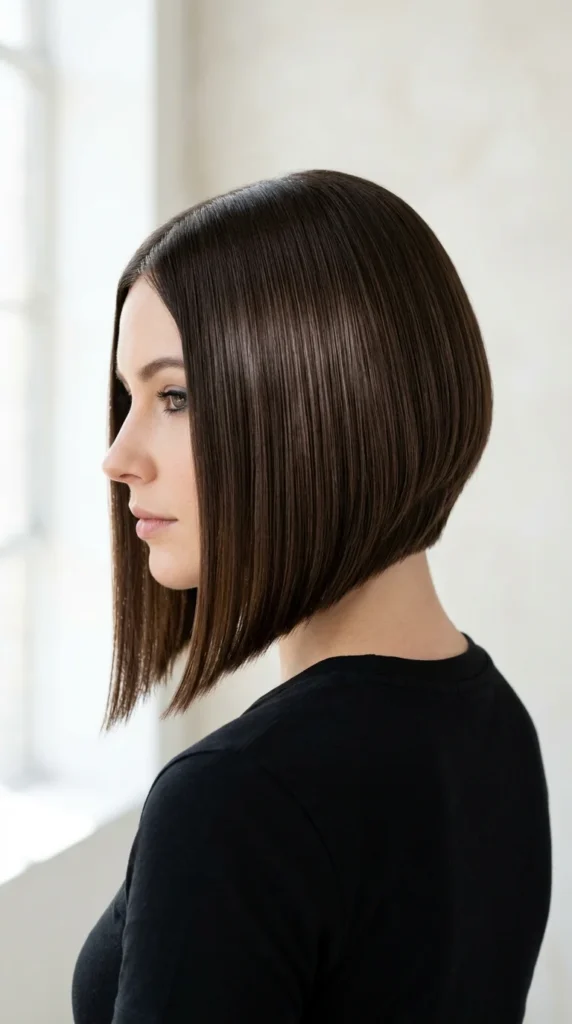
Don’t be afraid of a sleek look. While texture adds bulk, a high-shine, sleek inverted bob emphasizes the shape of the cut. The structural integrity of the graduation becomes the star of the show. Using a smoothing serum can make the hair look healthy and “plump,” which is essential for making fine hair appear thicker.
10. Shaggy Inverted

The shaggy version of the inverted bob is all about internal layers. Instead of just stacking the back, the stylist adds shorter layers throughout the crown and sides. This creates “airiness” and prevents the hair from lying flat against the scalp. It’s a great option for those who want a low-maintenance, “shake-and-go” style.
11. Platinum Glow

Color plays a huge role in how thick hair looks. Light colors, like platinum blonde, expand visually, whereas dark colors contract. A bright, cool blonde on an inverted bob makes the entire silhouette look larger. When the light hits those stacked layers at the back, the highlights and shadows create a 3D effect of incredible density.
12. Tapered Nape
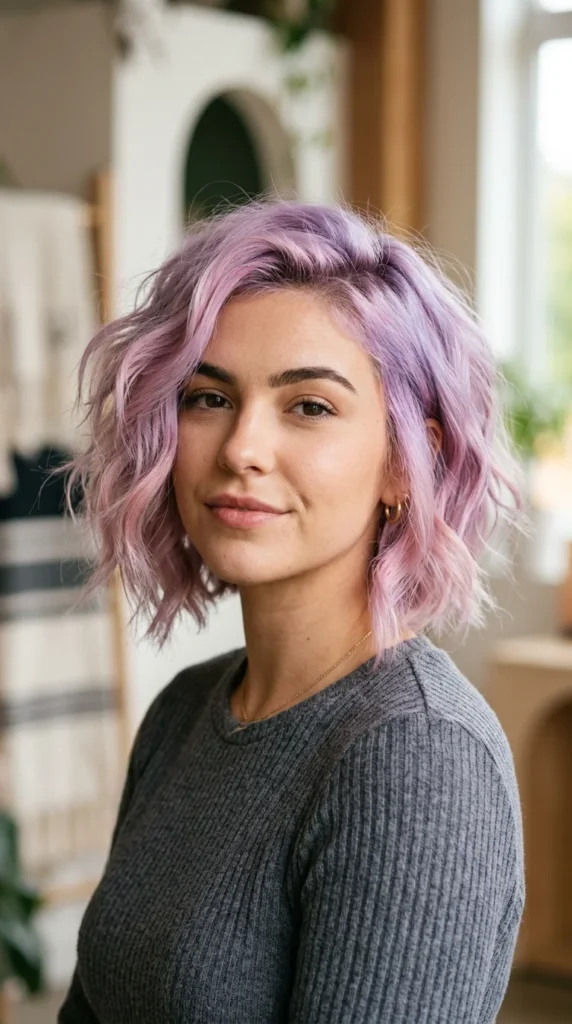
A tapered nape acts like a pedestal for the rest of your hair. By making the very bottom of the cut extremely tight to the head, the hair above it looks exponentially fuller by comparison. It’s all about the contrast—the thinner the “base” at the neck, the more voluminous the “stack” appears.
13. Deep Side Part
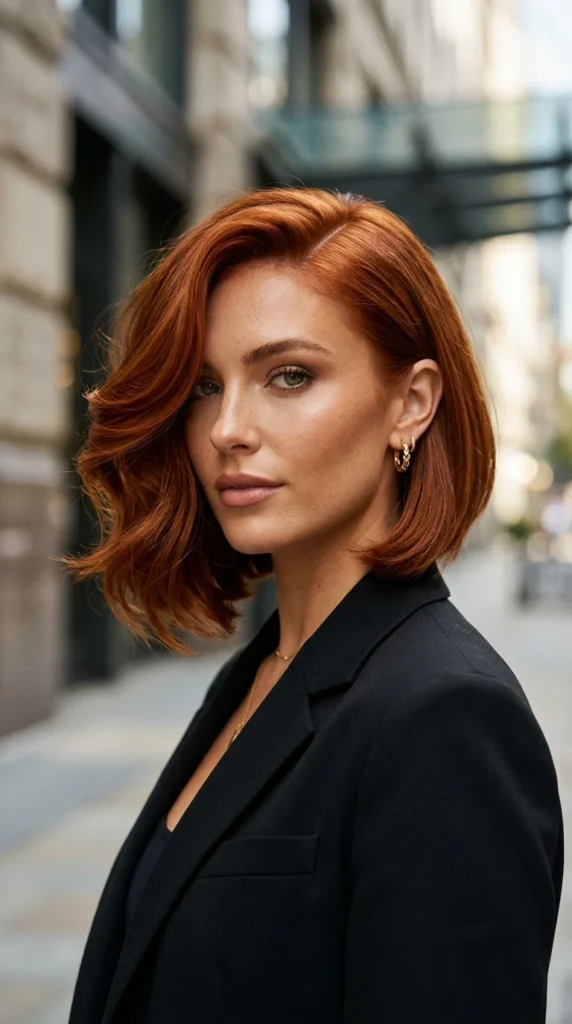
If your hair is feeling particularly flat, change your part. Moving your part to the extreme side forces the hair to stand up at the root as it’s pushed over the crown. In an inverted bob, this creates a massive wave of hair in the front, hiding any thin spots and providing an immediate boost in thickness.
14. Balayage Blend

Flat color can make fine hair look two-dimensional. A balayage—where lighter tones are hand-painted onto the hair—creates “shadows” and “lights.” This depth mimics the natural variations found in thick hair. When paired with the graduated layers of an inverted bob, the color highlights the “step-up” in the hair’s structure, making it look dense and lush.
15. Razored Edges
Using a razor to cut an inverted bob creates “shattered” ends. This technique removes the “bluntness” that can sometimes weigh down fine hair. The result is a cloud-like texture that feels incredibly light and stands up easily with a bit of texturizing spray. It’s the perfect “ethereal” version of the bob.
16. Voluminous Crown
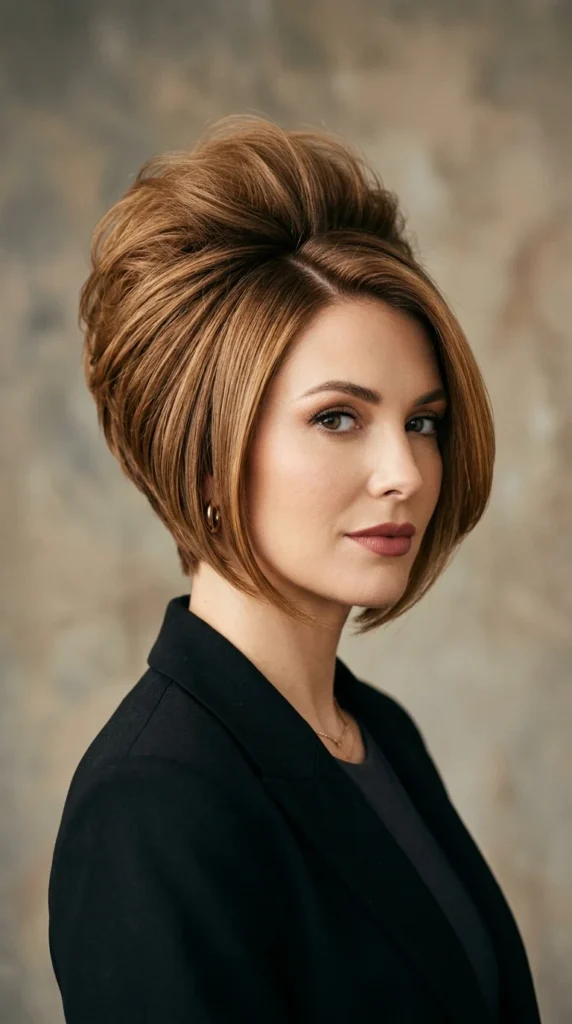
This version focuses all the energy on the top of the head. By keeping the stack at the back very tight and the layers at the crown slightly shorter, you can achieve a “bump” of volume that lasts all day. This is particularly effective for those with fine hair that tends to go flat at the very top of the head.
17. Chin-Length
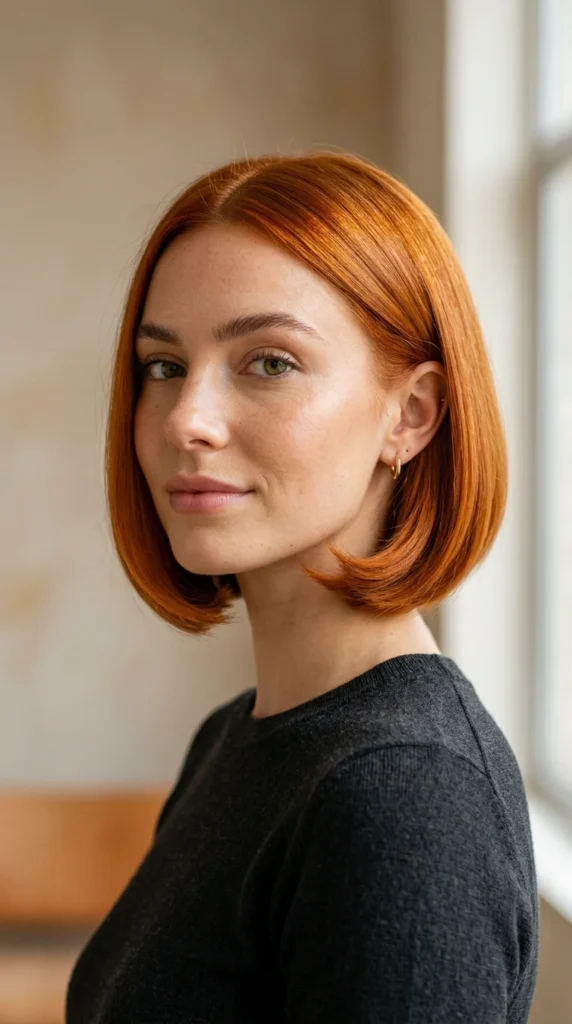
The chin-length inverted bob is the most flattering for most face shapes. By ending right at the jaw, the hair creates a horizontal line that adds “width” to your look. For fine hair, this width is vital, as it prevents the style from looking too long and “dragged down.”
18. Asymmetrical Cut

Asymmetry is a fantastic distraction. By having one side longer than the other, you break up the symmetry of the face and the hair. This prevents the eye from noticing the actual thickness of the strands and instead focuses on the bold, architectural shape of the cut.
19. Pastel Accents
Much like balayage, pastel “fantasy” colors can add a lot of visual interest to fine hair. The multi-tonal nature of pastel dyes requires the hair to be lightened first, which actually swells the hair cuticle, making each individual strand physically thicker. The result is a bob that is both colorful and visibly more substantial.
How to Style Your Inverted Bob for Maximum Thickness
Choosing the right cut is 80% of the battle, but how you style it at home completes the look. For fine hair, the goal is always “lift and grit.”
- Blow-Dry Upside Down: Start your blow-dry with your head hanging down. This dries the roots in an upward position, providing natural lift before you even start styling.
- Use a Round Brush: Focus the round brush on the “stack” at the back. Pull the hair up and away from the scalp while applying heat to set the volume.
- Root Lifting Spray: Apply a volumizing spray or mousse only to the roots while the hair is damp. Avoid the ends, as too much product can weigh them down.
- Dry Shampoo is Your Best Friend: Even on clean hair, a puff of dry shampoo can add “grip” and texture, making the hair feel twice as thick.
- The “Cool Shot”: When using your hair dryer, hit the hair with the “cool” button once it’s dry. This sets the shape and the volume in place.
The inverted bob isn’t just a trend; it’s a structural solution for fine hair. By embracing the graduation and the stack, you can finally walk out of the house with a hairstyle that feels as full and thick as you’ve always wanted.