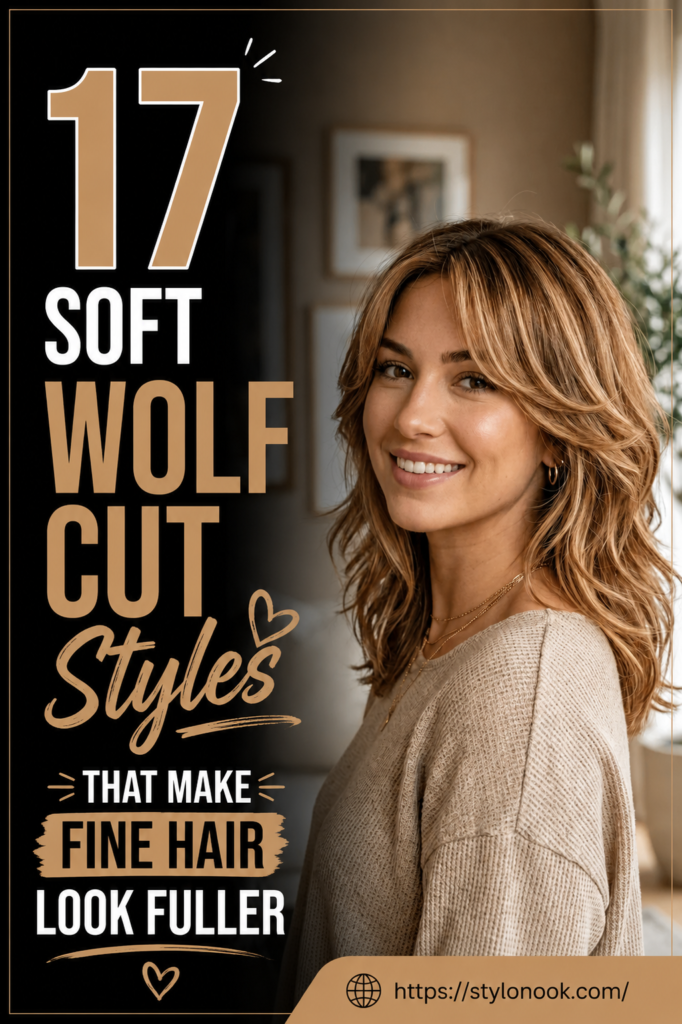

For those with fine hair, the struggle for volume is real. You’ve likely tried every “volumizing” shampoo on the market, slept in silk rollers, and mastered the art of the upside-down blow-dry, only to find your hair falling flat by noon. Enter the Soft Wolf Cut.
Unlike its predecessor—the aggressive, heavily-shorn wolf cut that dominated social media in recent years—the “soft” version is all about subtlety. It combines the edgy silhouette of a mullet with the breezy, face-framing layers of a classic shag, but with a gentler touch. For fine hair, this is a game-changer. By strategically removing weight and adding “internal” layers, this cut creates the illusion of a thicker, more bounce-filled mane.
Here are 17 soft wolf cut variations specifically designed to breathe life and fullness into fine strands.
1. Ghost Layers

Ghost layers are the secret weapon for fine hair. In a soft wolf cut, these are layers cut into the interior of the hair rather than the surface. This technique provides the structural support needed to “push” the top layers up, creating a rounded, voluminous shape without making the ends look thin or “ratty.”
2. Wispy Bangs

Traditional heavy bangs can sometimes highlight how thin hair is. However, wispy bangs in a soft wolf cut add a delicate frame to the face. Because they aren’t solid, they allow the forehead to peek through, creating a sense of lightness and height at the front of the head that draws the eye upward.
3. Bottleneck Fringe

The bottleneck fringe is a hybrid between a curtain bang and a full fringe. It’s narrow at the center and widens as it hits the cheekbones. For fine hair, this creates a “fuller” look around the face, adding width where fine hair often looks the flattest.
4. Chin-Length

If you’re willing to go shorter, a chin-length soft wolf cut is a powerhouse for volume. By cutting fine hair shorter, you remove the weight that pulls it down. The wolf cut’s signature layering adds grit and texture, making the hair look twice as thick as it would in a blunt bob.
5. Pastel Hue

Color can be a visual trick to enhance a haircut. Adding soft pastel tones—like rose gold, lilac, or peach—to a wolf cut creates dimension. The way light hits the different shades on the choppy layers adds a sense of depth, making the hair appear much more dense than it actually is.
6. Curtain Layers
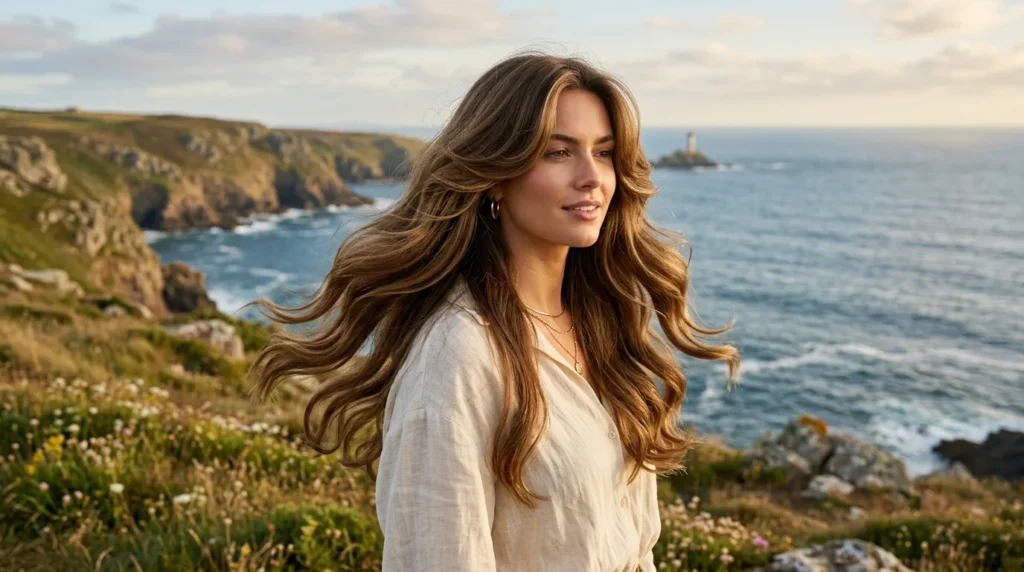
Curtain layers are longer than traditional bangs and are designed to sweep back toward the ears. In a soft wolf cut, these layers provide a “swing” factor. When you move, the layers bounce back, creating a dynamic look that prevents fine hair from looking limp or stationary.
7. Tapered Ends
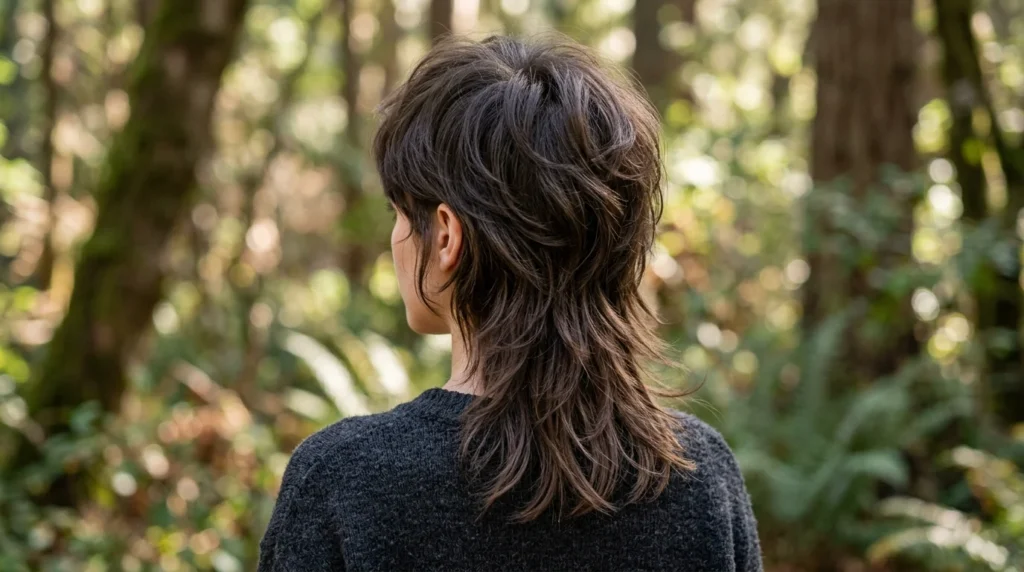
While “thin ends” usually sound scary for fine hair, tapering them in a soft wolf cut actually helps. By thinning out the very bottom, the bulk of the hair stays at the crown and mid-lengths. This contrast makes the top of your hair look significantly fuller and more “puffy” in the best way possible.
8. Shoulder Length
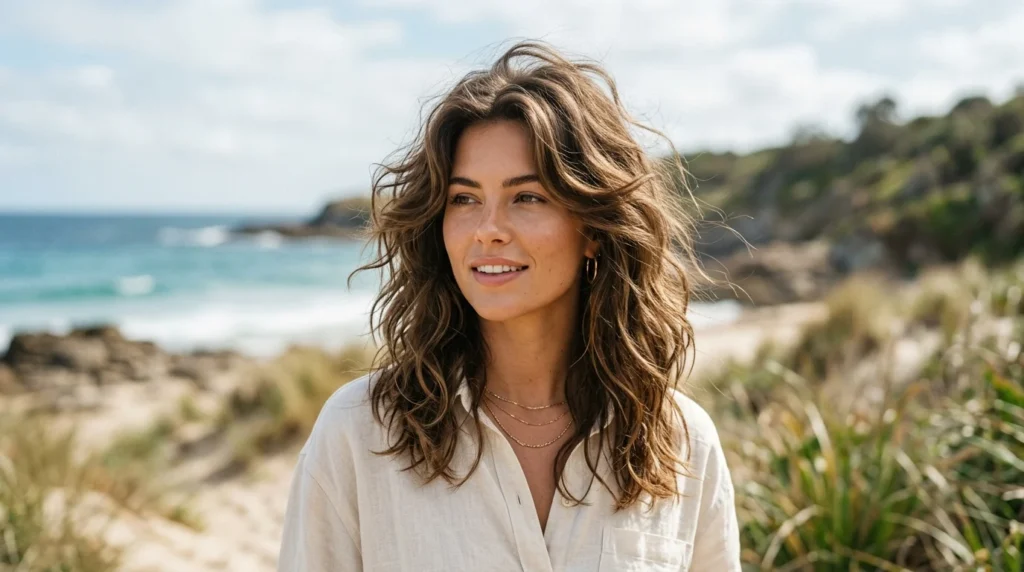
The shoulder-length wolf cut is the “Goldilocks” of fine hair styles—not too long, not too short. At this length, the hair has enough weight to have movement, but is light enough to hold a curl or a wave. It’s the perfect canvas for adding texturizing sprays that hold all day.
9. Micro Fringe
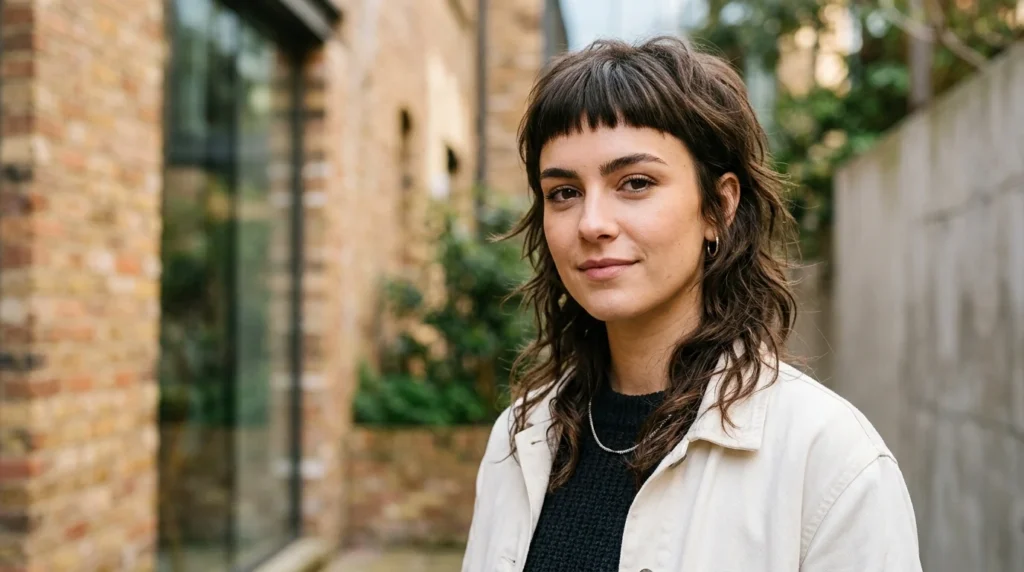
For the fashion-forward, a micro fringe can actually make the rest of your hair look thicker. By having a very short, intentional element at the front, the longer layers behind it seem to have more volume and “oomph” by comparison.
10. Shaggy Frame

This style focuses on the “shag” aspect of the wolf cut. By creating many short layers that start at the cheekbones and wrap around the jawline, you create a “frame” that adds width to your facial structure. This width translates to the appearance of a fuller head of hair.
11. Airy Texture
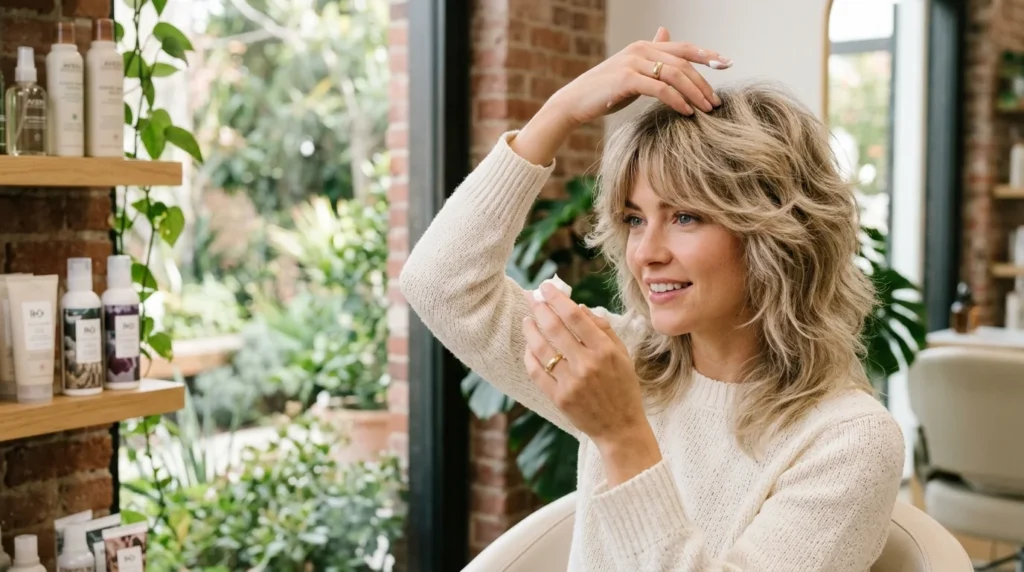
The key to this style is the finish. Using a dry texture spray or a volumizing powder, the soft wolf cut is fluffed out to create an “airy” look. This prevents the hair from clumping together, which is often what makes fine hair look thin. Instead, the strands are separated and lifted.
12. Hidden Undercut

It sounds counterintuitive to shave hair off when you want it to look fuller, but a hidden undercut at the nape can remove the “bulk” that weighs hair down. This allows the soft wolf layers on top to sit higher and bounce more freely, creating a more dramatic silhouette.
13. Rounded Volume
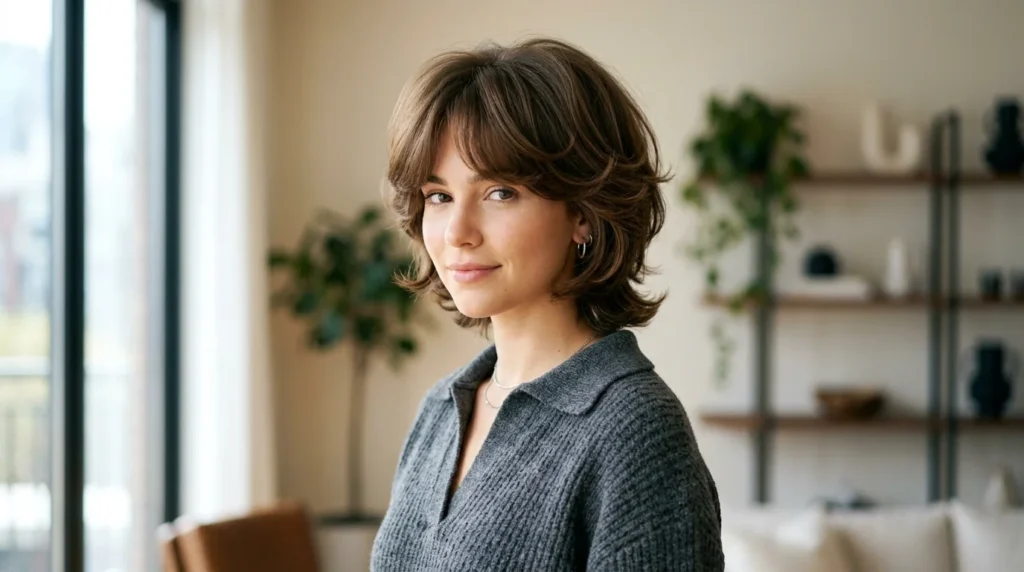
This style leans into the 70s inspiration of the wolf cut. By blow-drying the hair with a round brush, you emphasize the circular shape of the layers. A rounded silhouette is the enemy of flat hair; it creates a 360-degree illusion of thickness.
14. Flicked Ends

Flicking the ends of your layers outward (using a flat iron or round brush) adds instant width. In a soft wolf cut, these “flicks” catch the light and create shadows against the neck and shoulders, which visually doubles the amount of hair you appear to have.
15. Crown Lift
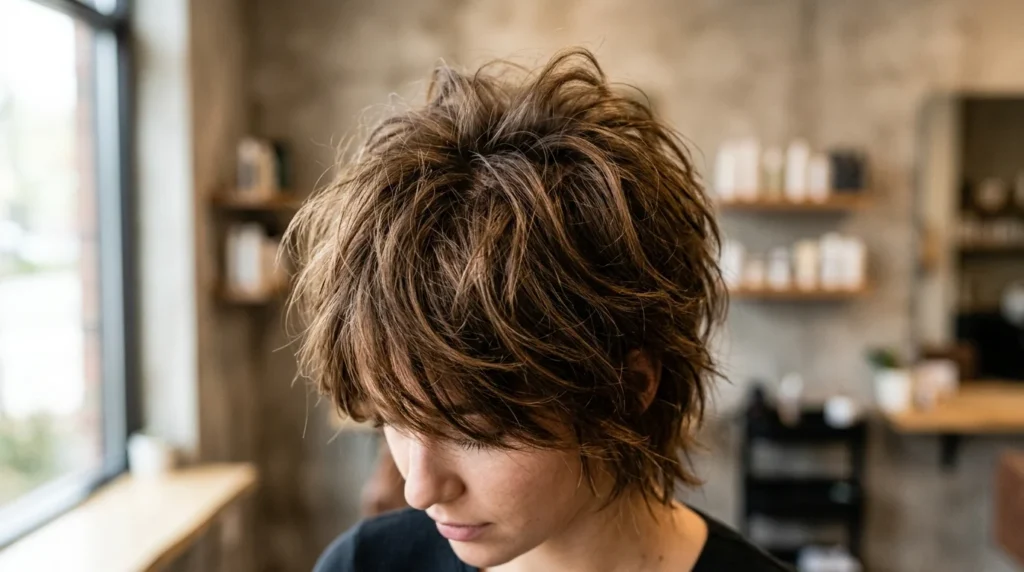
The “wolf” part of the cut is all about the crown. By keeping the top layers short and choppy, the hair naturally stands up a bit more at the root. This “crown lift” is essential for fine hair, as it prevents the dreaded “flat-to-the-skull” look.
16. Long Layers
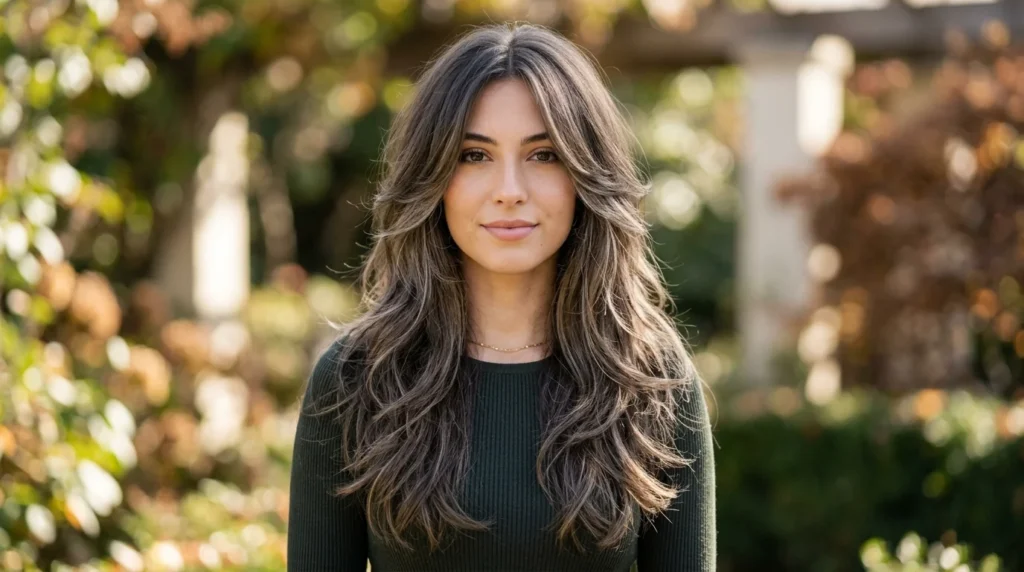
If you can’t bear to part with your length, opt for a long soft wolf cut. The key is to start the layers at the chin so they don’t look like “strands.” These long, cascading steps create a waterfall effect that masks the thinness of the ends.
17. Mullet Hybrid

The mullet hybrid is the most “wolfy” of them all. It keeps the sides tight and the top and back voluminous. For fine hair, this concentration of hair at the back and top creates a very thick-looking profile, perfect for those who want an edgy but manageable style.