
The “expensive hair” aesthetic isn’t actually about the price tag—it’s about the health, the shine, and the seamless transition of colors. In the world of beauty, the goal has shifted from high-contrast, obvious dyes to “quiet luxury” for your mane. Achieving a multi-dimensional, high-end look at home is entirely possible if you know which shades to choose and how to apply them. By focusing on depth at the roots, luminosity on the ends, and a healthy dose of shine, you can bypass the $400 salon bill.
Here are 15 hair color ideas that look undeniably expensive and can be achieved with a little patience and the right DIY approach.
1. Glossy Espresso
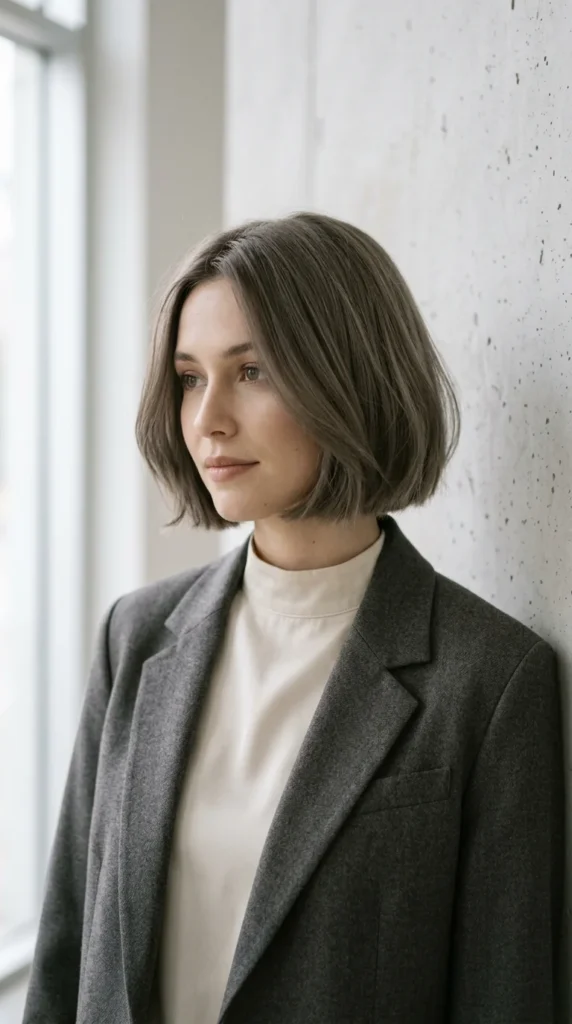
There is nothing more sophisticated than a solid, deep espresso. The key to making this look “expensive” rather than just “flat black” is the finish. When doing this at home, opt for a cool-toned dark brown rather than a true jet black. The goal is to create a mirror-like shine. You can achieve this by using a permanent color followed by a clear demi-permanent gloss treatment. This adds a layer of “vitrified” shine that mimics the expensive “glass hair” trend seen on red carpets.
2. Golden Balayage

Balayage remains the gold standard for expensive-looking hair because it mimics how the sun naturally lightens strands. To do this at home without looking like you used a “cap kit” from 1998, use the “V” painting technique. Instead of starting the color at the root, start four inches down and paint in a V-shape toward the ends. This ensures that as your hair grows, there is no harsh line of demarcation, making the “luxury” look last for months.
3. Mushroom Brown
Mushroom brown is the ultimate “cool girl” color. It looks expensive because it is difficult to maintain and requires a specific tonal balance. It sits right between brown and gray. To achieve this on a budget, look for “ash” or “cool” labels on box dyes. This shade is particularly effective at neutralizing unwanted brassiness, giving the hair a sophisticated, editorial vibe that looks like it was custom-mixed by a master colorist.
4. Chestnut Ribbons
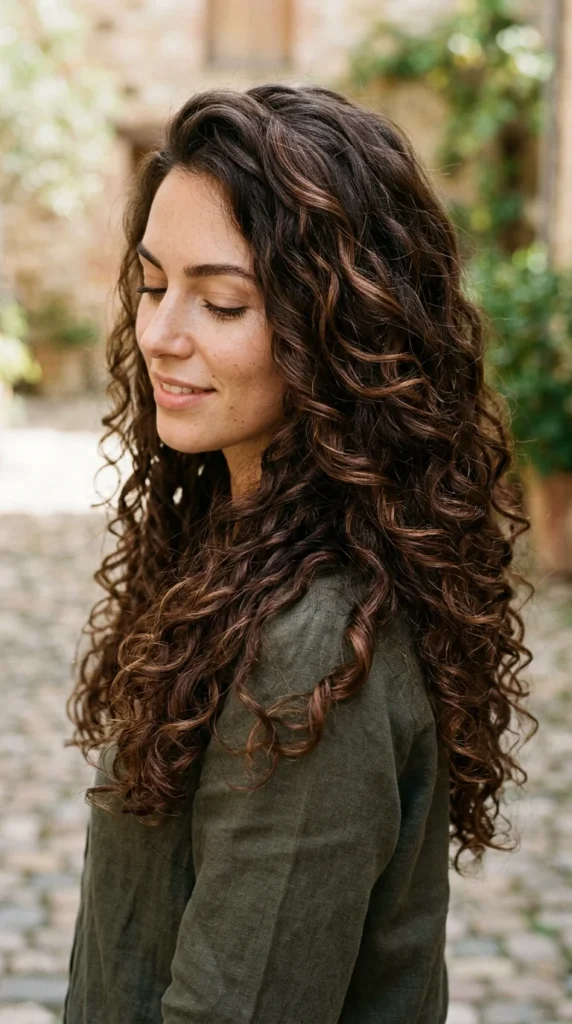
Dimension is the hallmark of a high-end dye job. Instead of dyeing your whole head one color, “ribboning” involves taking small sections and coloring them just two shades lighter than your base. This creates a “ribbon” effect that moves when you walk. It prevents the hair from looking “inky” or heavy, which is a common mistake with home hair color.
5. Honey Bronde
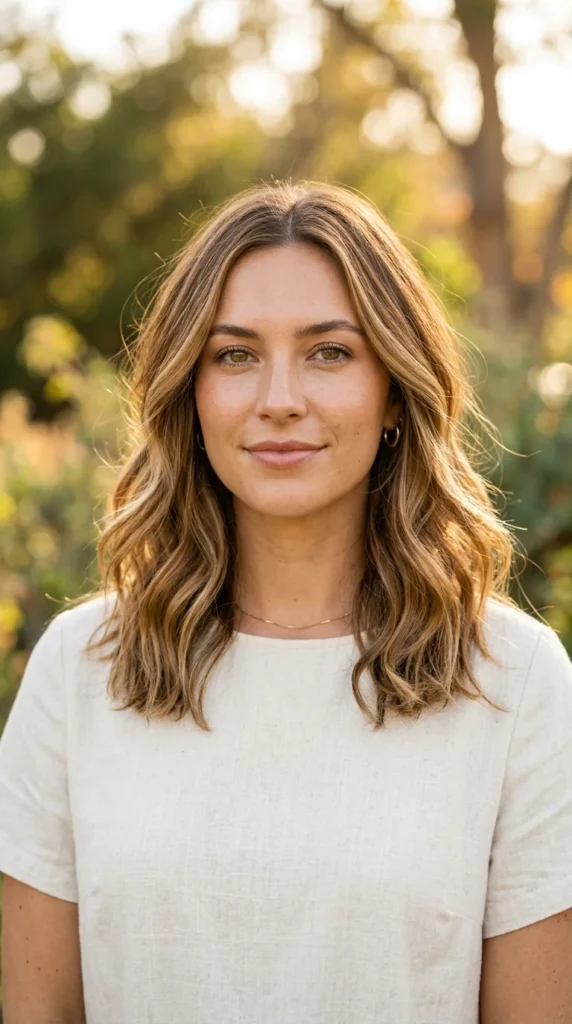
“Bronde” (brown-blonde) is the low-maintenance secret of the elite. It’s the perfect middle ground that looks intentional and polished. By keeping the base a light brown and adding honey-toned highlights, you create a look that works with almost any skin tone. It looks expensive because it requires a delicate balance of warm and neutral tones, but it can be easily replicated at home with a light brown base and a toning gloss.
6. Midnight Onyx
While similar to espresso, Midnight Onyx has a slight blue or violet undertone that makes the hair look incredibly healthy and thick. This is a “power color.” To keep it from looking cheap, avoid “blue-black” dyes which can look synthetic. Instead, look for “Coolest Intense Black” and prioritize a high-moisture after-care routine. The more hydrated the hair, the more “expensive” the dark pigment appears.
7. Copper Glow
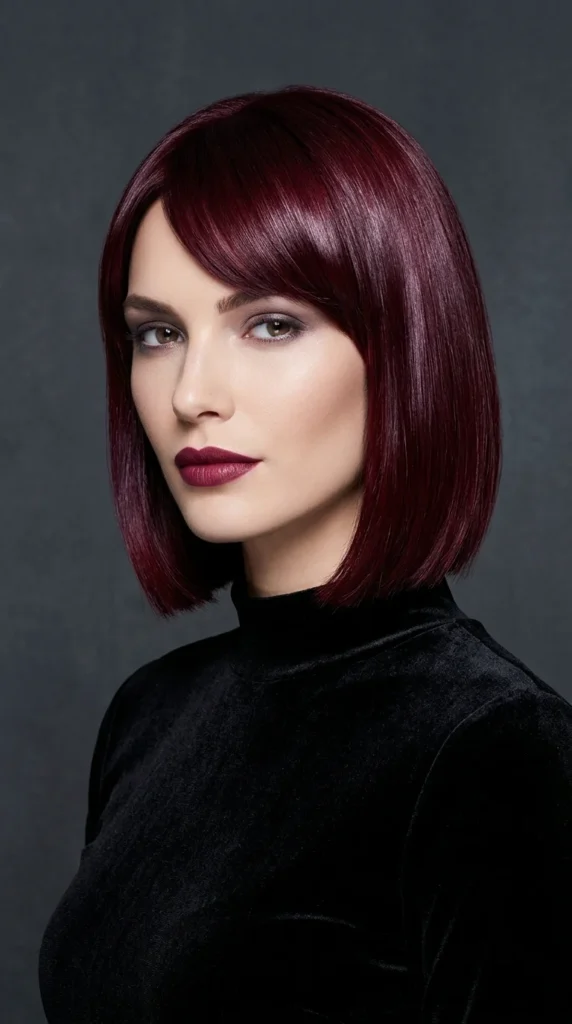
Copper is the “it” color of the season, but it can easily look “fried” if not done correctly. The expensive version of copper is translucent and glowing, not opaque and flat. Use a copper-toned depositing mask once a week to keep the vibrancy alive. This gives the hair a multidimensional glow that suggests you spend your weekends at a high-end salon getting color-refresh glazes.
8. Buttercream Blonde

Platinum can often look “cheap” if it’s too yellow or too damaged. Buttercream blonde, however, is a softer, warmer take on light hair. It looks expensive because it prioritizes the integrity of the hair. It’s not about being the whitest blonde possible; it’s about having a creamy, buttery tone that looks healthy and expensive. Achieving this at home involves lifting the hair and then using a “beige” or “pearl” toner to remove the raw yellow.
9. Caramel Swirl
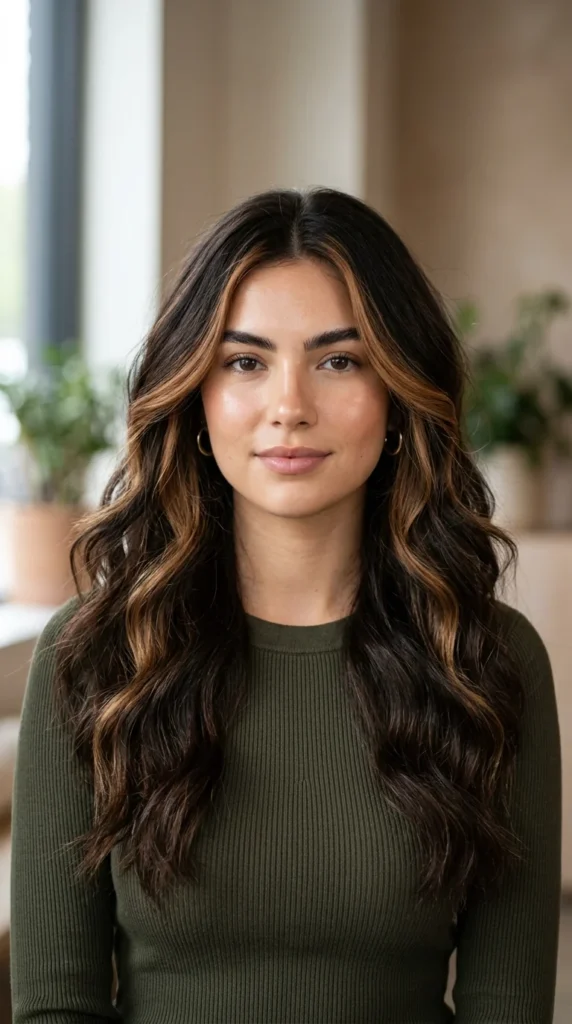
Face-framing highlights, often called “The Money Piece,” are the fastest way to look like you just walked out of a Beverly Hills salon. By only highlighting the sections of hair that frame your face in a warm caramel tone, you brighten your entire complexion. It’s a strategic way to use bleach that minimizes damage, ensuring the hair stays looking high-quality and luxurious.
10. Smoked Marshmallow
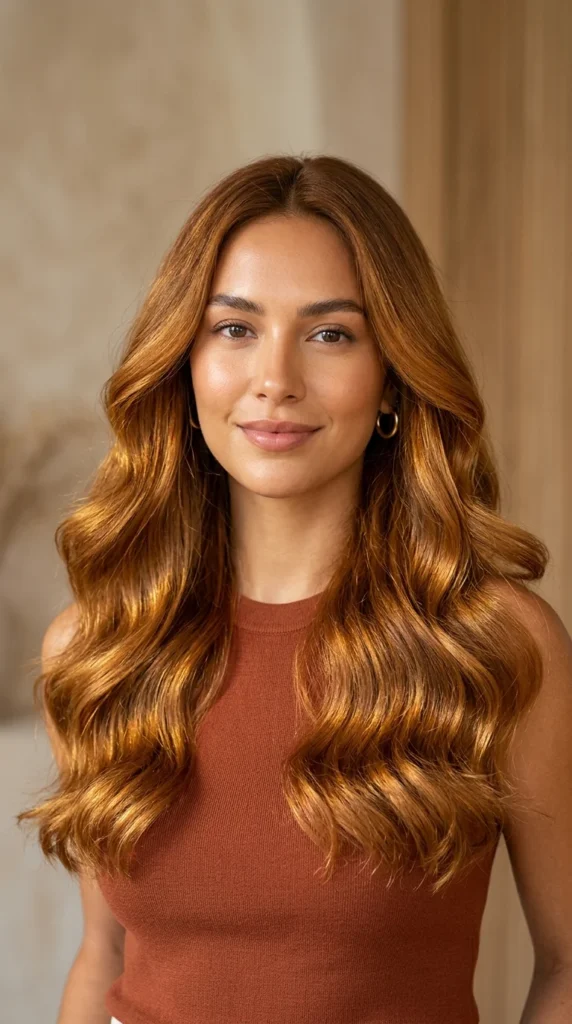
This is a specific type of ombré that uses “smoked out” roots. By keeping your natural root color (or dyeing it a shade darker) and blending it into a cool blonde, you create a look that is designed to grow out. The “expensive” part of this is the seamless blend. To do this at home, use a toothbrush to “smudge” the dark root color down into the lighter mid-lengths.
11. Red Velvet
Unlike bright “fire-engine” red, Red Velvet is a sophisticated, deep crimson with violet undertones. It looks expensive because it’s a regal, jewel-toned color. It requires a very healthy base to look its best. When dyeing your hair this shade at home, look for “deep burgundy” or “black cherry.” The key to the expensive look here is ensuring your ends are trimmed and split-end free.
12. Soft Toffee
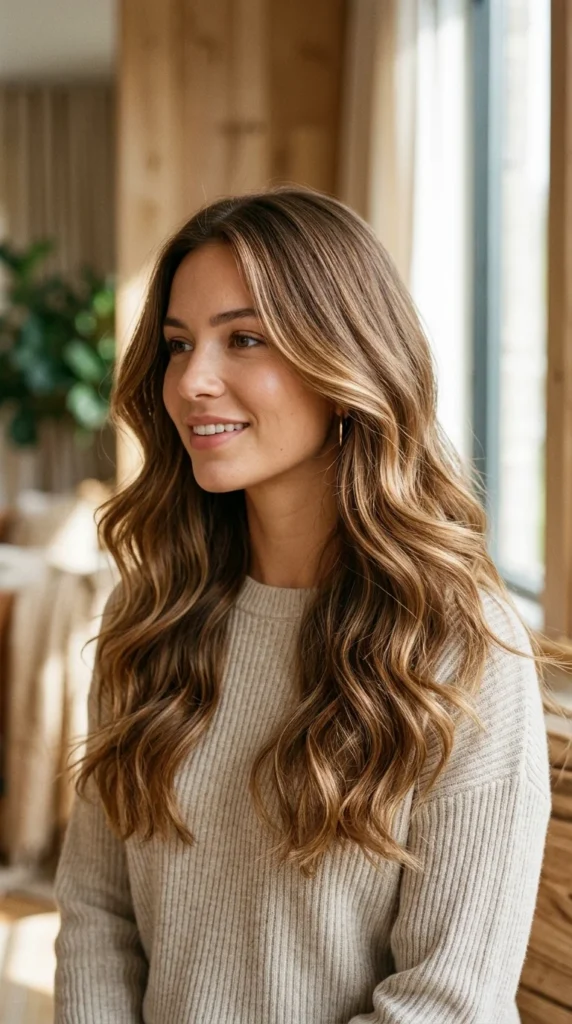
Soft Toffee is all about “monochromatic dimension.” It uses colors that are all in the same family—tan, beige, and light brown—to create a look that isn’t flashy but screams quality. It’s the hair equivalent of a cashmere sweater. Use a demi-permanent color to achieve this, as it will leave the hair’s natural highlights peeking through, creating that multi-tonal toffee look.
13. Amber Glaze
If your hair is feeling dull, an Amber Glaze is the quickest fix. This isn’t a “color change” as much as it is a “color enhancement.” You can use a tinted gloss at home to add a warm, golden-red filter over your brown hair. It makes the hair look incredibly vibrant and “expensive” because of the way it catches and reflects sunlight.
14. Sandy Beige
Sandy beige is the ultimate “old money” blonde. It’s a neutral tone that looks like you’ve spent the summer on a yacht. It avoids the “barbie blonde” trap by staying muted and natural. This look is achieved by using a neutral toner (look for labels like “N” or “Natural”) over lightened hair. It’s understated, which is exactly why it looks so high-end.
15. Root Shadowing
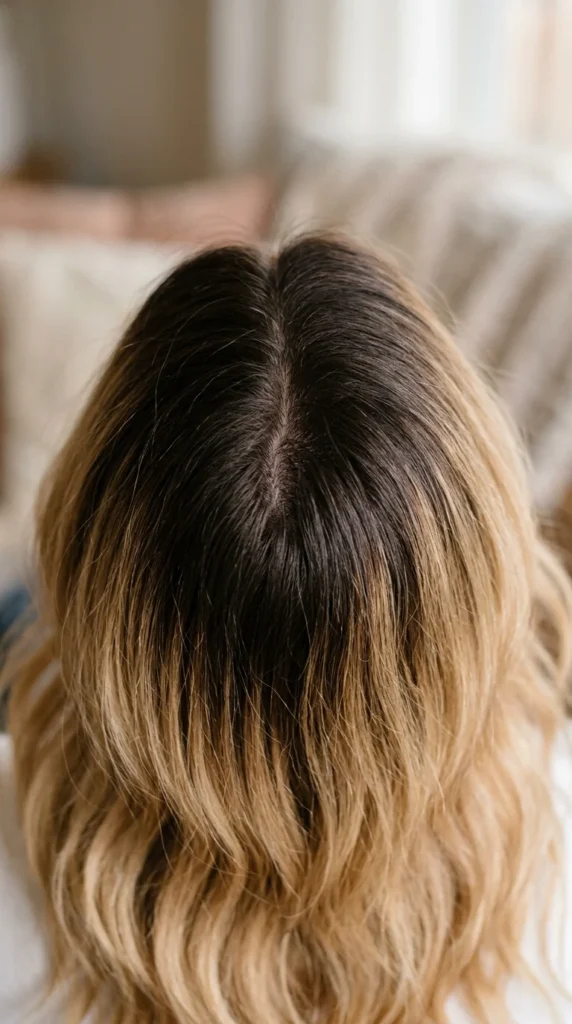
Root shadowing is the technique of applying a slightly darker color only at the very base of your hair. This mimics the depth found in professional salon color. It makes any home-dye job look 10 times more expensive because it eliminates that “hot root” look (where the roots are brighter than the ends). It adds instant depth and makes your hair look thicker at the scalp.