
Navigating the changes that come with age often involves a shift in hair texture and density. For many women over 50, thinning hair can feel like a challenge to style, but professional stylists argue that it is actually an opportunity to embrace chic, sophisticated cuts that prioritize health and volume. The secret lies in strategic layering, the right length, and clever cutting techniques that trick the eye into seeing more fullness than there actually is.
Whether you are looking for a dramatic chop or a subtle refresh, these 13 expert-recommended hairstyles are designed to flatter mature features while breathing new life into thinning locks.
1. Choppy Pixie
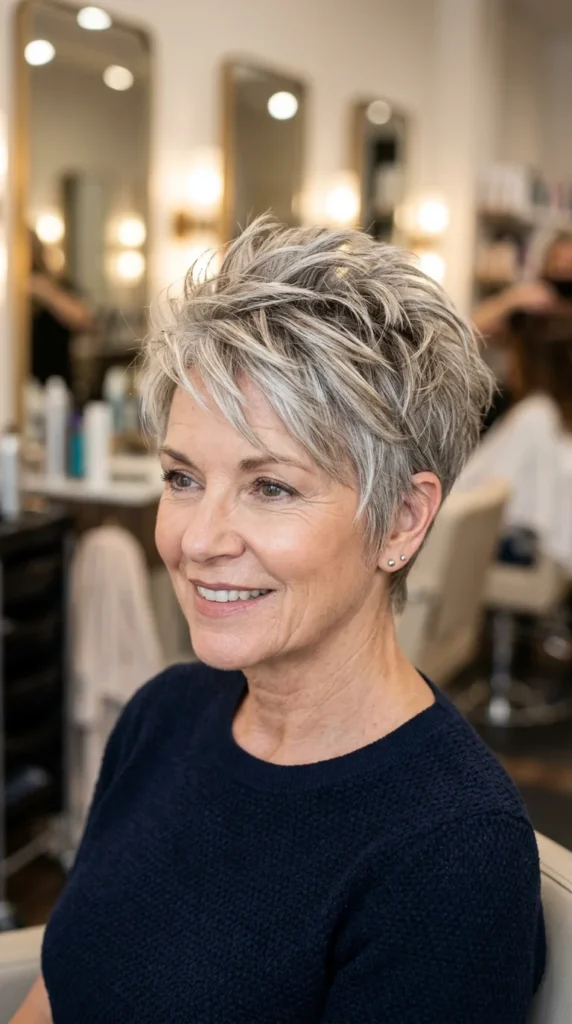
The choppy pixie is a perennial favorite for thinning hair because it removes the weight that often pulls thin hair flat against the scalp. By creating multiple layers of varying lengths, a stylist can build “internal structure,” which helps the hair stand up at the root. This cut is particularly effective for those experiencing thinning at the crown. It is low-maintenance, requiring only a bit of texturizing paste to keep the “piecey” look throughout the day.
2. Blunt Bob
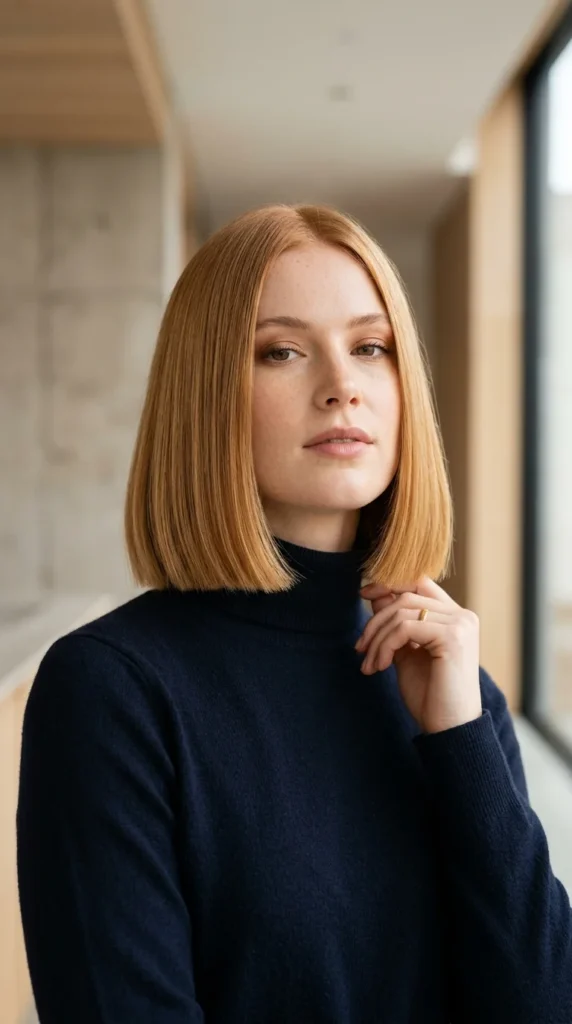
While layers are often the go-to for volume, a blunt bob works wonders for those whose hair is thinning specifically at the ends. By cutting the hair to one uniform length, usually around the jawline or chin, you create a “thick” perimeter. This lack of thinning at the bottom makes the entire head of hair appear denser and healthier. Stylists recommend this for straight or slightly wavy hair types to maintain a crisp, clean silhouette.
3. Shaggy Lob

The “Lob” (long bob) is the ultimate middle ground for women who aren’t ready to go super short but want the benefits of a shorter cut. Adding a “shag” element—meaning plenty of choppy layers and texture—adds movement. This movement prevents the hair from looking limp. It’s an excellent choice for disguising a receding hairline or thinning temples, especially when paired with soft, wispy curtain bangs.
4. The Bixie
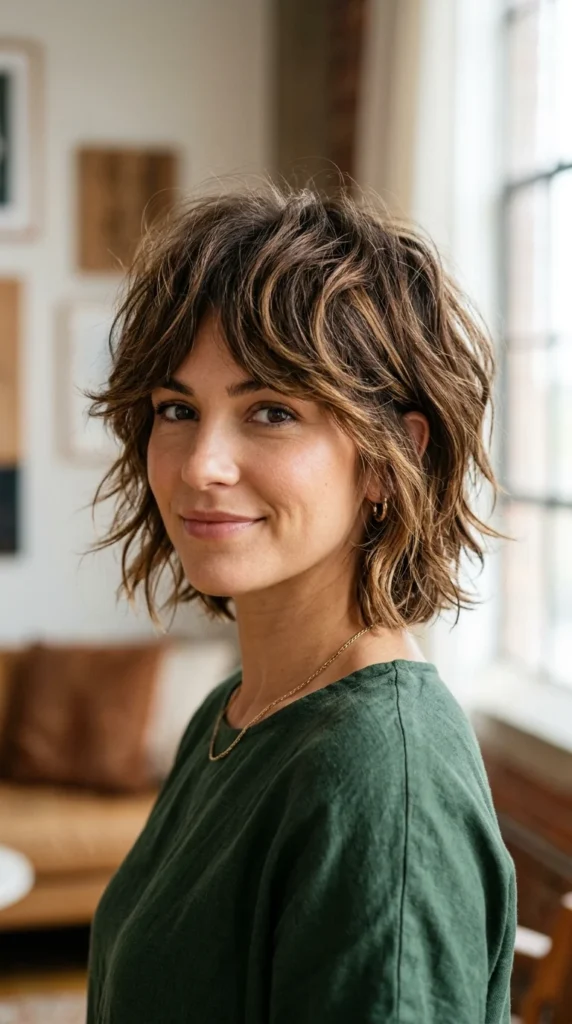
The “Bixie” is a trendy hybrid of a bob and a pixie. It offers the length and face-framing qualities of a bob with the textured, voluminous layers of a pixie. For women over 50, this provides a youthful, edgy vibe that doesn’t feel “too young.” The shorter layers at the back provide lift, while the longer pieces in the front offer versatility in styling, allowing you to tuck hair behind the ears or pin it back.
5. Layered Midi
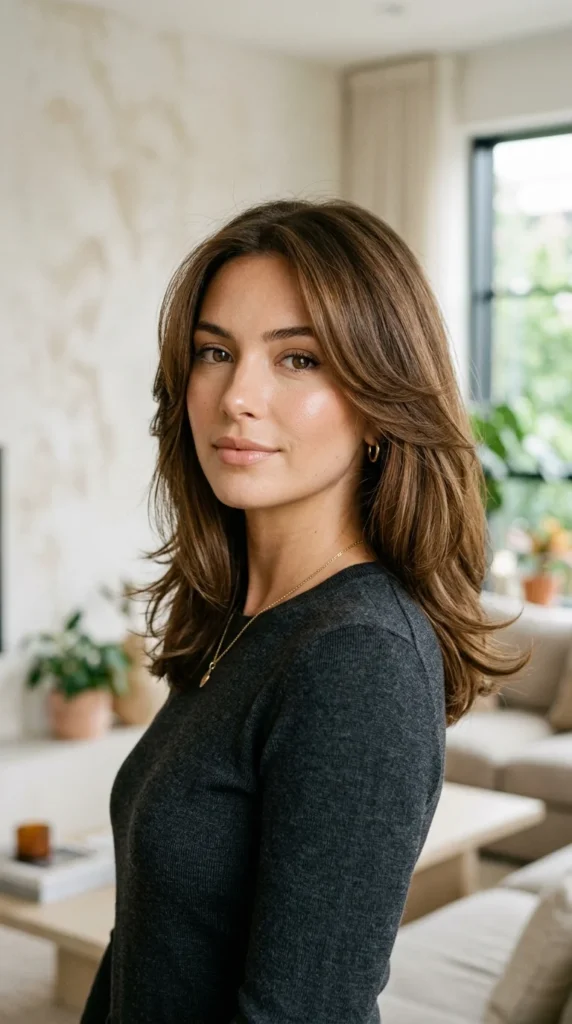
If you prefer to keep your length, the layered midi is the professional’s choice. The key here is to avoid “stringy” ends. Stylists achieve this by keeping the base length relatively thick while adding soft, face-framing layers starting from the cheekbones down. This adds shape and bounce, preventing the hair from being weighed down by its own length, which is a common pitfall for thin hair.
6. Tapered Crop

A tapered crop is the epitome of sophistication. By keeping the hair very short on the sides and back, the eye is naturally drawn upward to the hair on top. This creates the illusion of height and density where it matters most. It’s a powerful look for women who want to showcase their facial structure and eyes. It works beautifully with natural gray or silver hair, as the short length keeps the color looking bright and intentional.
7. Feathered Layers

Inspired by the classic styles of the 70s but modernized for today, feathered layers are perfect for fine, thin hair. Instead of heavy, blocky layers, “feathering” involves thinning the ends of each layer with shears to create a light, airy texture. When styled away from the face, these layers create a “lifting” effect that counters the sagging that can occur with aging, providing an instant non-surgical facelift.
8. Stacked Bob
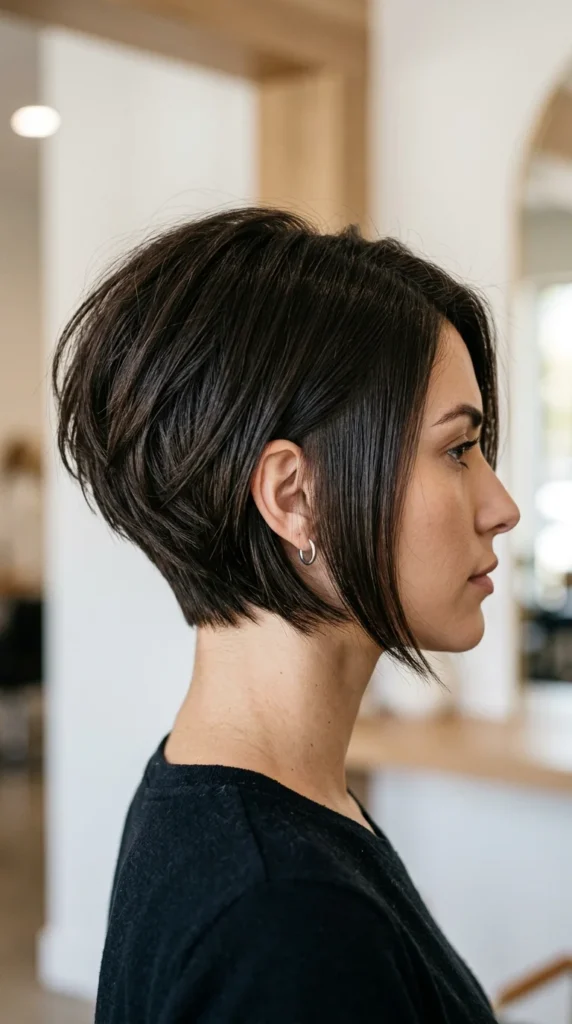
The stacked bob (also known as an angled bob) is a technical masterpiece for thin hair. By “stacking” the layers at the nape of the neck, the hair is forced to push upward, creating a dramatic curve and a lot of volume at the back of the head. This is ideal for women who feel their hair is flat or “lifeless” in the back. The longer pieces in the front provide a comforting frame for the face.
9. Deep Side Part

Sometimes, the best “cut” is actually a change in how you part your hair. Stylists recommend a deep side part for almost any of the hairstyles on this list. By flipping the majority of your hair to one side, you create an immediate “wall” of volume. It covers thinning areas along the center part and adds a glamorous, asymmetrical look that is very flattering for mature faces.
10. Wispy Fringe

A common sign of thinning hair over 50 is a sparse hairline. Rather than trying to pull the hair back, which can emphasize the thinning, stylists recommend a wispy fringe. These are not heavy, thick bangs; they are light, “see-through” pieces that soften the forehead and hide any recession at the temples. They add a youthful softness to the face and require very little hair to achieve a big impact.
11. Voluminous Shag

The shag is all about “controlled chaos.” For women with thin hair, the multitude of layers throughout the head creates a messy, voluminous look that disguises the fact that individual strands are fine. When styled with a volumizing mousse or sea salt spray, the shag looks effortlessly cool and full of life. It’s a great option for those with natural wave or curl.
12. Asymmetrical Bob

An asymmetrical bob is a fantastic way to distract from thinning. Because the cut is intentionally uneven, the eye is drawn to the sharp lines and the artistic shape of the hair rather than the density of the strands. It’s a bold, modern choice that suggests confidence. Keeping one side shorter also allows for more volume on the longer side when styled with a sweep.
13. Soft Curls
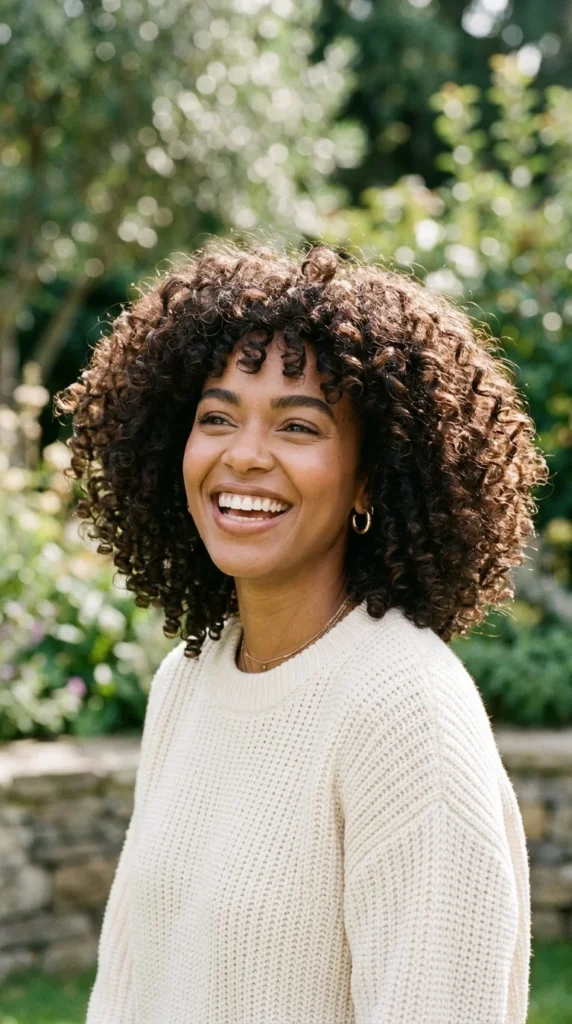
If your hair has any natural bend, lean into it. Curls naturally take up more space than straight hair, providing an instant boost in volume. Stylists recommend a “soft” curl—nothing too tight or crunchy. Using a wide-barrel curling iron or foam rollers on a bob or midi-length cut can double the perceived thickness of your hair.
Stylist Tips for Maintaining Thin Hair Over 50
To keep these cuts looking their best, experts suggest a few golden rules:
- Avoid Heavy Products: Stay away from thick waxes or heavy oils that can weigh thin hair down. Opt for lightweight mousses, root-lift sprays, and dry shampoos.
- Scalp Health is Key: A healthy scalp promotes better hair growth. Consider scalp massages or serums designed for mature hair.
- Regular Trims: Thin hair is prone to breakage. Getting a trim every 6-8 weeks keeps the ends looking thick and prevents “see-through” tips.
- Color Strategy: Multi-dimensional color (highlights and lowlights) creates depth. Solid, dark colors can make thinning more obvious by contrasting harshly with the scalp.