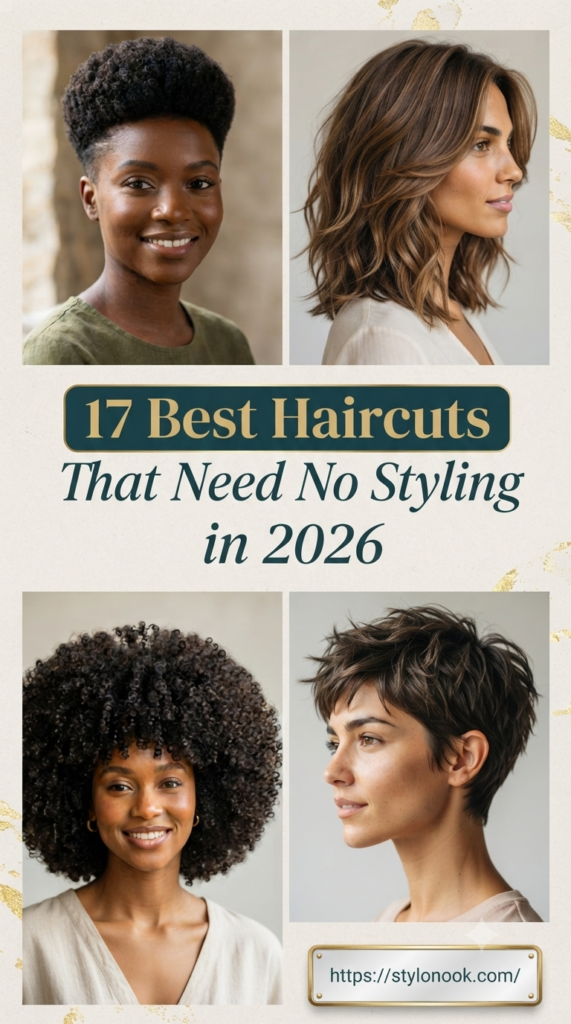

In 2026, the “Quiet Luxury” movement has fully transitioned from our wardrobes to our manes. The era of spending forty-five minutes with a blow-dryer and a round brush is fading into the background. Instead, we are seeing a massive shift toward “wash-and-wear” architecture—haircuts so precisely executed that they rely on the hair’s natural weight, texture, and growth patterns to look perfect.
Whether you have pin-straight strands, bouncy curls, or something in between, the goal for 2026 is effortless chic. Here are the 17 best haircuts that require zero styling to look like you just stepped off a runway.
1. Buzz Cut
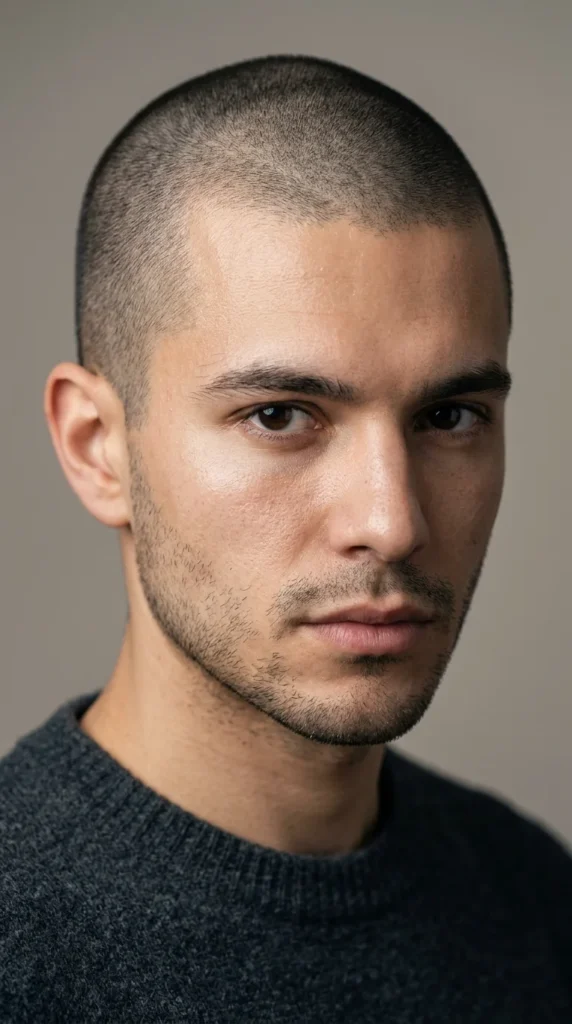
The ultimate “no-style” champion remains the buzz cut. In 2026, this look has evolved into a high-fashion statement, often paired with bold hair colors or natural greys.
- Why it works: There is literally no hair to style. It eliminates the need for products, heat, and even combs.
- Best for: Those who want to highlight their facial features and maintain the lowest possible maintenance routine.
- Maintenance: A quick trim every 3–4 weeks to keep the length uniform.
2. French Bob

The French Bob is the epitome of “I woke up like this” elegance. It is typically cut right at the jawline or slightly above, often paired with brow-grazing bangs.
- Why it works: It is designed to look better as it gets “messy.” The weight of the cut encourages a natural flip or curl at the ends.
- Best for: Fine to medium hair with a bit of natural bend.
- Maintenance: The “grown-out” look only adds to its charm, so you can go 8–10 weeks between cuts.
3. Textured Pixie
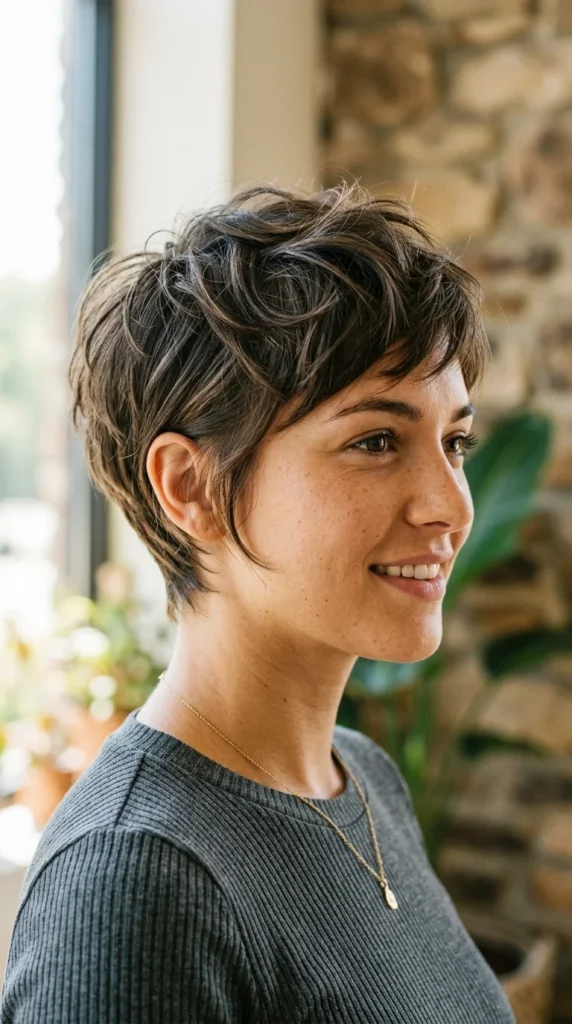
Moving away from the slicked-back pixies of the past, 2026 favors the textured, choppy version. This cut uses internal layers to create height and movement without the need for pomades or sprays.
- Why it works: The choppy layers prevent the hair from lying flat against the scalp, providing built-in volume.
- Best for: Thick hair that needs weight removed, or thin hair that needs the illusion of density.
- Maintenance: A trim every 6 weeks keeps the shape sharp.
4. The Shag

The Shag has stood the test of time because it thrives on chaos. With layers starting as high as the cheekbones, this cut utilizes your hair’s natural frizz and wave to create a deliberate “shaggy” silhouette.
- Why it works: It’s a “more is more” approach. The more texture your hair has, the better the shag looks.
- Best for: Wavy and curly hair types.
- Maintenance: This cut grows out beautifully into long layers, meaning fewer trips to the salon.
5. Blunt Lob

The Long Bob (Lob) with a blunt edge is the go-to for those who prefer a polished look without the effort. By keeping the ends heavy and even, the hair hangs straight and resists flyaways.
- Why it works: The weight of the blunt ends acts as a natural straightener.
- Best for: Naturally straight or slightly wavy hair.
- Maintenance: A simple trim every 2 months to keep the “blunt” look crisp.
6. Wolf Cut

A 2026 favorite, the Wolf Cut is all about the “bite.” It’s a heavily layered look that focuses volume at the top and tapers off toward the bottom.
- Why it works: The extreme layering means your hair won’t feel heavy or flat. It’s designed to be air-dried.
- Best for: People with a lot of hair who want to reduce bulk while maintaining length.
- Maintenance: Low. The layers are meant to be uneven and wild.
7. Curtain Bangs
If you want a change without losing your length, curtain bangs are the answer. In 2026, they are cut to be “self-styling,” meaning they are tapered to fall away from the face naturally.
- Why it works: They frame the face and provide a “styled” look even if you just put the rest of your hair in a messy bun.
- Best for: Almost every hair type and face shape.
- Maintenance: A 5-minute “bang trim” every few weeks.
8. Curly Layers
For those with 3A to 4C curls, the key to no-styling is a specialized layered cut that follows the curl pattern. This prevents the dreaded “triangle” shape and allows curls to spring up naturally.
- Why it works: It removes the weight that pulls curls down, allowing for natural definition without heavy gels.
- Best for: Naturally curly or coily hair.
- Maintenance: Minimal; curls look great as they grow.
9. Tapered Afro
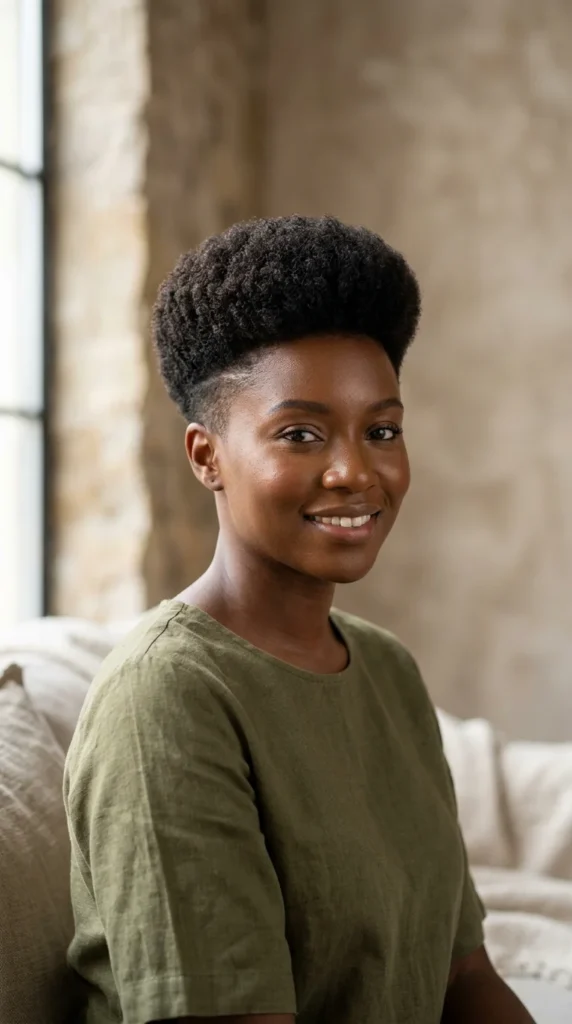
The tapered afro is a masterclass in shape. By keeping the sides and back shorter, the focus stays on the natural height and texture of the hair on top.
- Why it works: It provides a permanent “shape” to the hair, so you don’t have to spend time manipulating the coils.
- Best for: Coily and kinky hair textures.
- Maintenance: A side-taper refresh every month.
10. Shoulder Layers
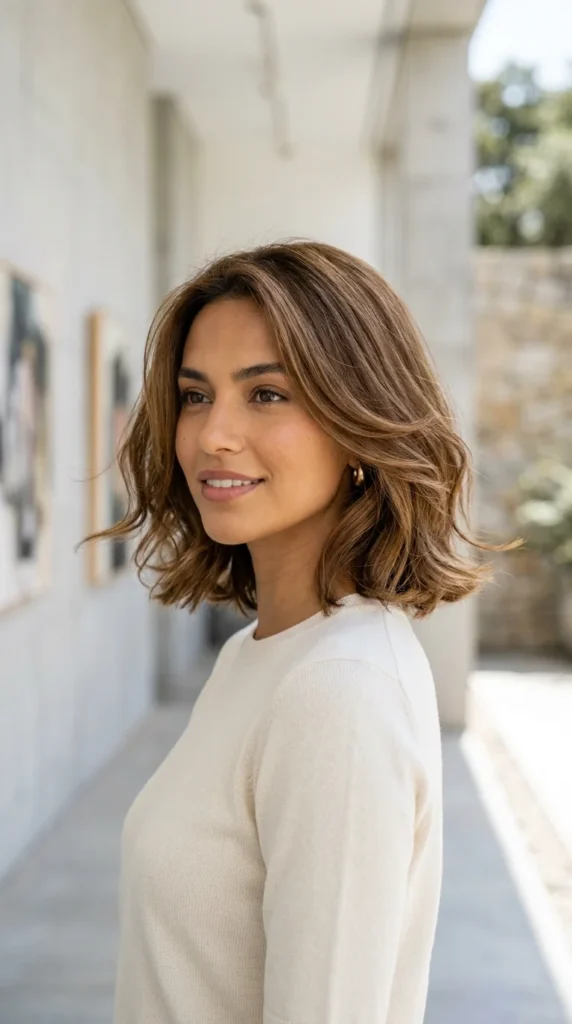
Not quite a shag, but not quite a blunt cut, shoulder-length layers are the “Goldilocks” of 2026 haircuts. The layers are kept long and subtle.
- Why it works: It encourages a slight wave and prevents the hair from looking “blocky” at the shoulders.
- Best for: Medium-texture hair.
- Maintenance: Very low; can go 3–4 months between cuts.
11. Modern Mullet
Forget the 80s; the 2026 mullet is soft, wispy, and highly textured. It’s a favorite for the fashion-forward who want a look that thrives on bedhead.
- Why it works: The short-to-long transition does all the visual work for you.
- Best for: Fine hair that usually lacks volume.
- Maintenance: It’s a “shaggy” style, so messy growth is encouraged.
12. Butterfly Cut
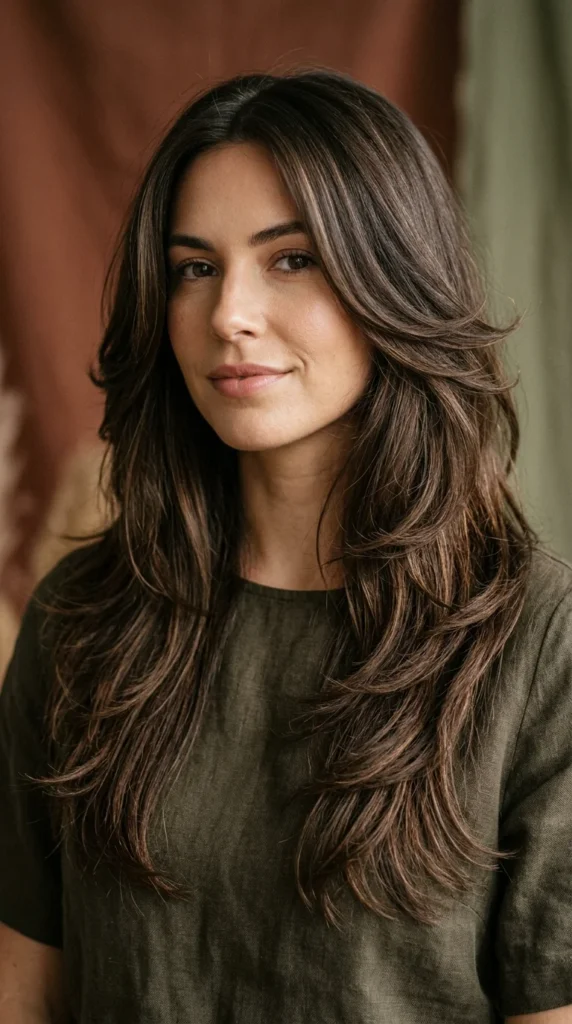
The Butterfly Cut uses short layers around the crown and chin to create the illusion of a shorter cut, while maintaining long layers at the bottom.
- Why it works: It mimics a professional blowout just by air-drying, thanks to the way the layers catch the air.
- Best for: Long hair that feels “boring” or flat.
- Maintenance: Moderate; you’ll want to keep the face-framing layers fresh.
13. Undercut Pixie
By shaving or closely cropping the hair underneath, you remove the bulk that often causes “poofiness” in short styles.
- Why it works: The “problem areas” (the nape and sides) are removed, leaving only the easy-to-manage top section.
- Best for: Extremely thick hair.
- Maintenance: You may need to buzz the undercut every few weeks, which can be done at home.
14. Birkin Bangs

Inspired by Jane Birkin, these bangs are sparse and “piecey” by design. They aren’t meant to be perfectly straight or full.
- Why it works: Because they are thin, they don’t require the heavy blow-drying that thick bangs do.
- Best for: Fine to medium hair.
- Maintenance: Very low; they look great even when they get a bit too long.
15. Asymmetrical Bob
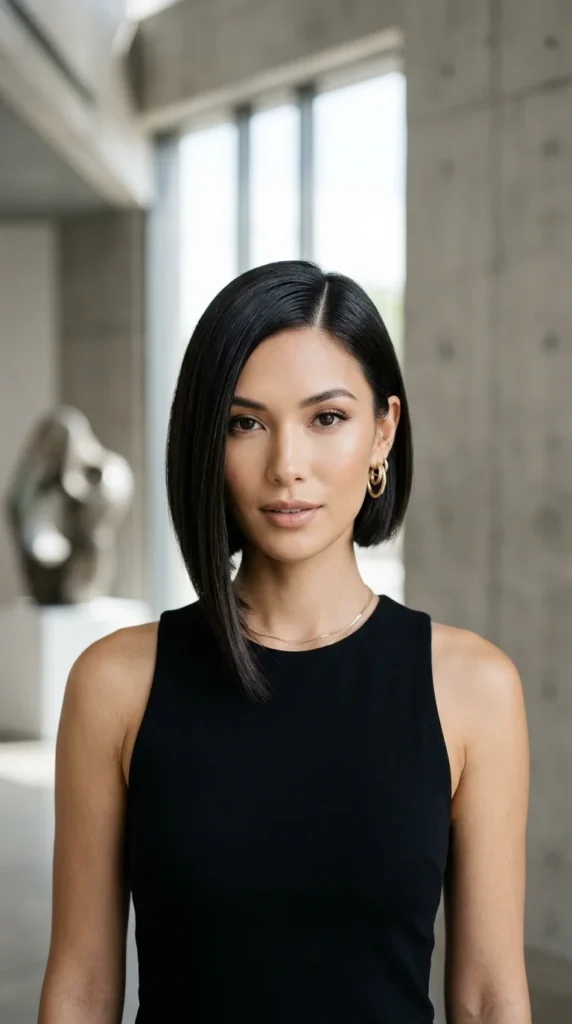
The asymmetry creates a built-in “style.” Even if you do nothing to it, the intentional difference in length makes it look like a high-effort choice.
- Why it works: The geometric lines do all the heavy lifting for your aesthetic.
- Best for: Straight hair.
- Maintenance: Needs a precision trim every 6–8 weeks to keep the lines clear.
16. Bottleneck Bangs

Bottleneck bangs are the 2026 evolution of curtain bangs. They are narrower at the top and flare out, following the curve of the cheekbone.
- Why it works: They are cut to follow the natural growth pattern of the hair, meaning they won’t fall into your eyes awkwardly.
- Best for: Adding “shape” to a round or heart-shaped face.
- Maintenance: Low to moderate.
17. Long One-Length
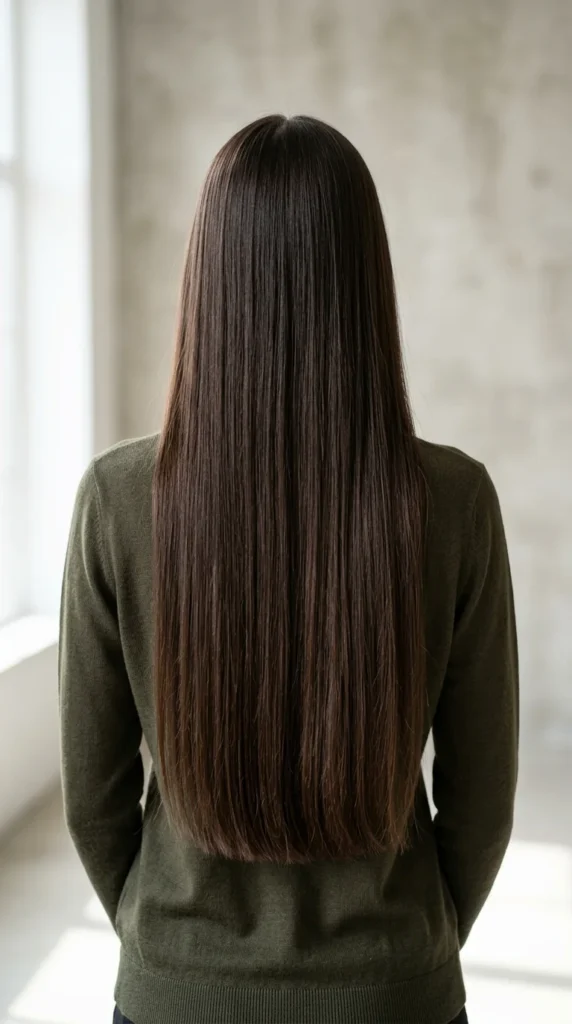
Sometimes, the best styling is no styling. A long, one-length cut relies on the health and weight of the hair to stay in place.
- Why it works: Gravity is your stylist. The weight of the hair keeps it from frizzing or puffing up.
- Best for: Naturally straight or wavy hair that is very healthy.
- Maintenance: Minimal; just a seasonal trim to prevent split ends.